
Iran Expands Control in Strait of Hormuz, Threatens Gulf Energy Sites
In a significant escalation of tensions in the Gulf, Iran has tightened its control over the Strait of Hormuz, recently launching targeted operations against energy infrastructure and commercial vessels in the region. This move, which began in earnest this past week, raises alarms among Gulf nations and global energy markets as Iran asserts its influence amid ongoing geopolitical conflicts. The situation has reached a boiling point, with fears of disruption to crucial oil supply routes that account for a significant portion of the world’s energy trade.
Increasing Hostilities
The Strait of Hormuz, a narrow passage between Iran and Oman, is a vital chokepoint for global oil supplies, with approximately 20% of the world’s crude oil passing through its waters. Over the past several weeks, reports surfaced of increased Iranian naval activity, including the deployment of military vessels and drones. The Iranian government claims its actions are necessary for national security in response to perceived threats from the United States and allied nations.
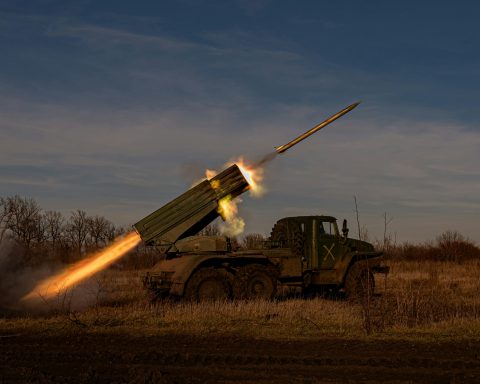
In a series of military exercises, Iran has demonstrated its capabilities, showcasing new weaponry intended to deter foreign naval forces. The Iranian Revolutionary Guard Corps (IRGC) has been particularly active, highlighting its readiness to defend what it calls its territorial waters against any potential aggressors. The IRGC has also reiterated its commitment to securing its interests throughout the Gulf region, often regarded as a strategic hub for energy transport.
Targeting Energy Infrastructure
Intensifying its campaign, Iran has specifically targeted various energy infrastructure facilities belonging to regional Gulf countries, including a series of attacks on oil and gas installations in Saudi Arabia and the United Arab Emirates. These actions have drawn condemnation from Gulf leaders, who warn that such aggression could lead to a larger conflict in the region.
According to analysts, the Iranian strategy appears to be aimed at disrupting supply lines and sending a clear message to its adversaries. The attacks not only affect immediate production but also stir fears among international investors, who may reconsider their stakes in the area.
Global Energy Markets on Alert
As the strait becomes increasingly volatile, global energy markets are responding with heightened sensitivity to any disruptions. Prices have shown signs of fluctuation, with crude oil prices experiencing upward pressure due to uncertainty in the region. Energy analysts suggest that prolonged instability could lead to severe consequences for both regional and global oil prices, compelling nations to diversify their energy sources.
Nations reliant on oil from the Gulf are particularly on edge, as any sustained aggression from Iran could lead to disruptions in supply, inflating energy costs worldwide. Governments of oil-importing countries are now reassessing their strategic options, contemplating increased reserves and evaluating alternative import routes.
Diplomatic Efforts and Military Responses
In the face of Iranian provocations, diplomatic efforts to ease tensions appear limited. The United States has increased its military presence in the region, deploying additional naval assets to secure shipping routes and protect allies from Iranian threats. Officials in Washington are emphasizing a multi-national response to ensure freedom of navigation in the key waterway.
Gulf Cooperation Council (GCC) nations are also considering a collective security strategy, contemplating joint military exercises to bolster readiness against potential Iranian aggression. Nonetheless, finding a consensus among member states has proven challenging, as nations navigate their own relationships with Tehran while managing the need for a unified front.
Geopolitical Implications
The unfolding events in the Strait of Hormuz bring to light the broader geopolitical ramifications of Iranian actions. The region is an epicenter of international tensions, where U.S.-Iran relations have deteriorated sharply since the U.S. withdrew from the nuclear agreement in 2018. Iran’s aggressive stance not only challenges regional powers but also complicates the already intricate dynamics between global superpowers.
In recent years, several nations have attempted to mediate peace and foster dialogue between Iran and its adversaries. However, with military provocations seemingly escalating, prospects for meaningful diplomacy are dim.
Looking Ahead
The situation in the Strait of Hormuz remains fluid, with multiple stakeholders involved. Analysts suggest that the coming weeks will be crucial in determining whether Iran will continue its aggressive posture or consider diplomatic avenues to de-escalate tensions. Meanwhile, global economy will be watching closely, as the implications of conflict in the Gulf extend far beyond national borders.
As regional tensions simmer and the risk of broader conflict looms, a collective response from the international community may be imperative. Countries heavily reliant on oil imports must consider their strategic dependencies and the potential for future disruptions, as steadfast adherence to diplomatic channels remains a necessity in navigating these perilous waters.
Conclusion
The recent developments in the Strait of Hormuz symbolize a worrying trend of increased aggression from Iran, reflecting deeper conflicts that threaten regional stability. The targeting of Gulf energy sites and ships serves as a stark reminder of the ever-present volatility in this strategic corridor. As the international community grapples with these challenges, the commitment to safeguard vital energy supply routes and diplomatic resolutions will be paramount in mitigating the risk of widespread conflict.