

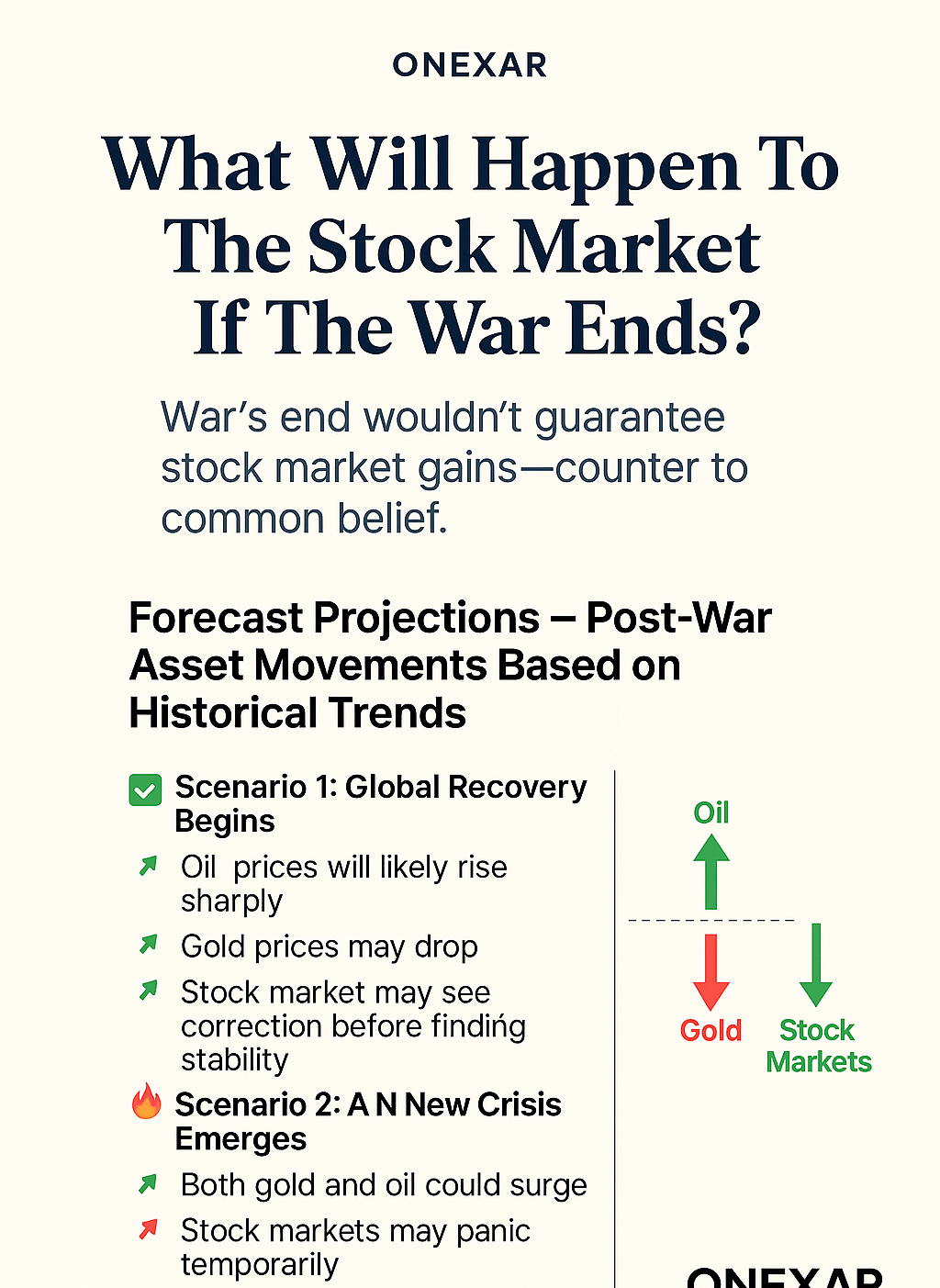
Global Markets — March 17, 2026 — Parliament Politics Magazine — The Iran strikes market impact is rapidly reshaping global financial markets as investors respond to escalating geopolitical tensions in the Middle East. The latest developments have triggered volatility across equities commodities and currencies, highlighting the growing influence of geopolitical risk on economic stability.
The Iran strikes market impact is now at the center of investor attention as markets react in real time to developments that threaten energy supply and global trade routes.
Immediate Market Reaction Across Regions
Global stock markets reacted quickly following the escalation, with mixed performance across major regions. Asian markets experienced early declines while European indices showed volatility throughout the trading session.
In the United States, markets opened cautiously as investors evaluated the broader implications. The Iran strikes market impact created sharp swings in trading activity, reflecting heightened uncertainty among market participants.
Trading volumes increased as institutional investors adjusted portfolios to manage risk exposure.

Oil Prices Surge and Energy Markets Respond
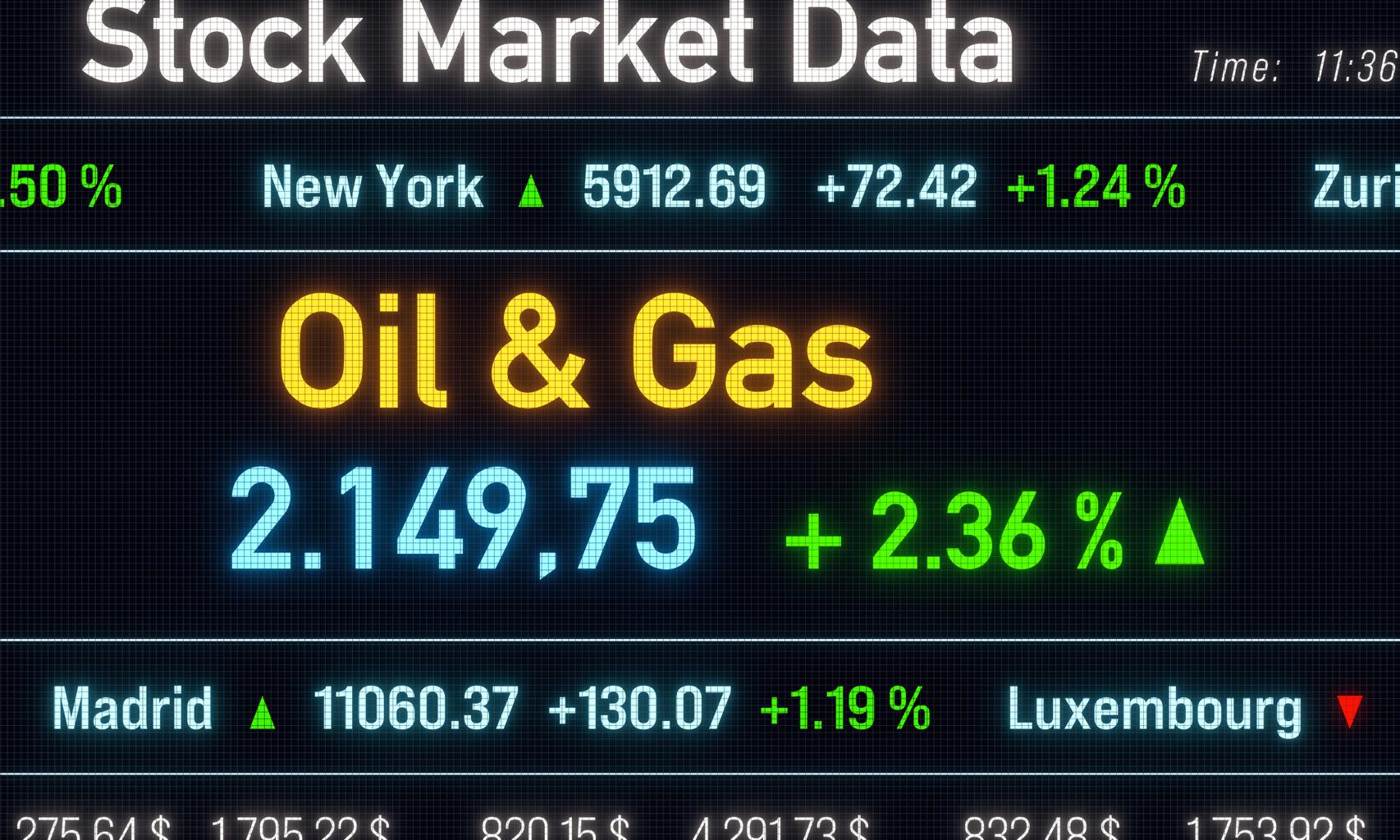
One of the most immediate effects of the Iran strikes market impact has been a surge in oil prices.
The Middle East plays a critical role in global energy production and any disruption raises concerns about supply stability. The Iran strikes market impact has driven crude prices higher as traders anticipate potential disruptions.
Higher oil prices are already influencing transportation costs manufacturing expenses and consumer prices, adding pressure to the global economy.
Investor Sentiment Shifts Toward Caution
Investor confidence has weakened as uncertainty grows.
The Iran strikes market impact is prompting a move toward safer investments such as gold and government bonds. This shift reflects a broader strategy among investors to reduce risk during periods of instability.
Currency markets are also reacting with safe haven currencies strengthening as volatility increases.
Sector Level Impact Across Industries
The Iran strikes market impact has created a clear divide between sectors.
Energy companies are benefiting from rising oil prices while industries such as airlines logistics and manufacturing face increased operational costs.
Technology stocks are experiencing mixed performance as investors reassess growth expectations in a volatile environment. The Iran strikes market impact continues to drive sector specific movements across global markets.
Global Economic Consequences
The broader economic implications of the Iran strikes market impact are becoming increasingly evident.
Rising energy costs contribute to inflation which can slow economic growth and influence central bank policies. Governments are closely monitoring the situation as they evaluate potential risks to economic stability.
Emerging markets are particularly vulnerable due to their reliance on energy imports making them more sensitive to price fluctuations.
Historical Context of Market Reactions
Geopolitical tensions in the Middle East have historically influenced global financial markets.
The Iran strikes market impact reflects patterns observed in previous conflicts where oil prices surged and markets experienced volatility.
However modern markets react more rapidly due to technological advancements and global connectivity, amplifying the speed and scale of financial responses.
Policy and Central Bank Considerations
Central banks are carefully monitoring developments as they assess potential economic impacts.
The Iran strikes market impact may influence monetary policy decisions including interest rates as policymakers respond to rising inflation risks.
Governments are also exploring strategies to stabilize markets and ensure energy security during this period of uncertainty.
Corporate and Business Adjustments
Businesses worldwide are adapting to changing conditions.
The Iran strikes market impact is forcing companies to reassess supply chains manage costs and adjust pricing strategies. Energy intensive industries are particularly affected as they navigate rising fuel expenses.
Corporate investment decisions are becoming more cautious as uncertainty continues to influence market conditions.
Expert Insight
A senior market analyst stated
“Geopolitical tensions are driving volatility across global markets and energy prices remain the key factor shaping investor decisions”
The Road Ahead for Global Markets
Looking ahead the Iran strikes market impact is expected to remain a major influence on financial markets.
Investors will continue to monitor geopolitical developments closely along with economic indicators that signal potential stabilization or further disruption.
Market volatility is likely to persist as uncertainty remains high and global markets adapt to evolving conditions.
Strategic Opportunities in Volatile Markets
Despite the risks opportunities are emerging for investors.
The Iran strikes market impact is creating potential gains in energy sectors while encouraging diversification strategies to manage risk.
Investors who understand these dynamics may be better positioned to navigate uncertain market conditions.
A New Era of Market Sensitivity
The Iran strikes market impact highlights how interconnected global markets have become.
Events in one region can quickly influence financial systems worldwide requiring investors and policymakers to remain vigilant.
Geopolitical developments are increasingly becoming a central factor in market analysis and decision making.
The Evolution of Global Market Dynamics
The Iran strikes market impact is shaping a new phase in global finance where geopolitical risks play a more prominent role.
Markets are adapting to an environment where uncertainty is constant and rapid responses are necessary.
This shift is redefining how investors approach risk and opportunity in the modern financial landscape.
A Defining Moment in Global Finance
The Iran strikes market impact represents a critical moment for global markets in 2026.
Rising oil prices increased volatility and shifting investor sentiment all point to a complex and evolving economic environment.
The Iran strikes market impact underscores the deep connection between geopolitical events and financial systems worldwide.
Complete Snapshot of Market Developments
The Iran strikes market impact has triggered widespread reactions across global markets reflecting the powerful influence of geopolitical tensions on economic stability.
From oil price surges to sector specific shifts and cautious investor behavior the situation continues to evolve rapidly.
As developments unfold the Iran strikes market impact will remain a key factor shaping global financial trends and investment strategies in the months ahead.