New York / Strait of Hormuz, February 9, 2026 — Parliament News — Oil prices climbed sharply in global markets after the United States issued an Iran vessels warning, urging commercial shipping to exercise heightened caution near Iranian waters, a move that renewed geopolitical risk in energy trading and raised concerns over the security of critical maritime routes linking Middle Eastern producers with global consumers.
Oil Markets Register Immediate Gains
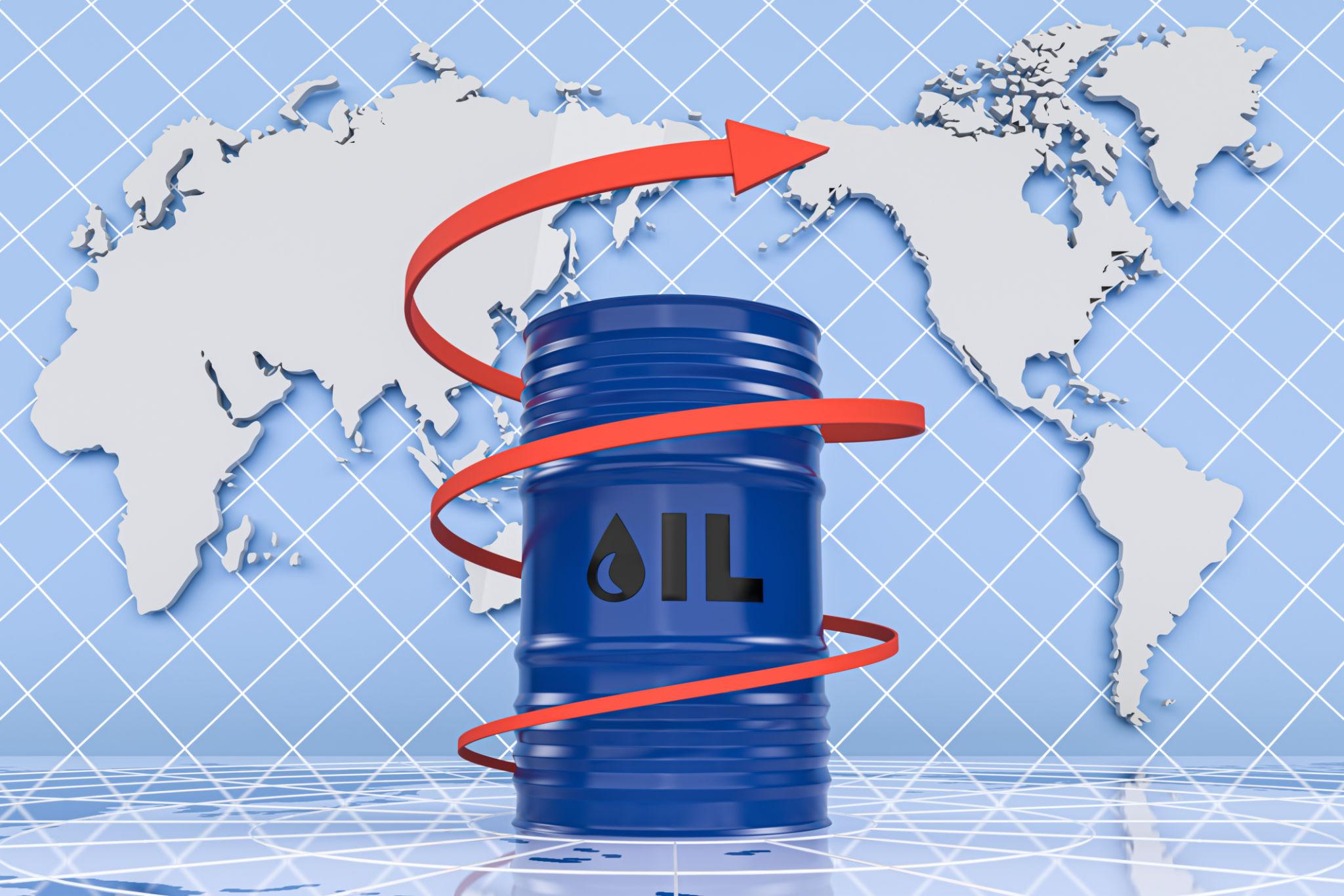
Crude oil futures rose in early New York trading as investors reacted to fresh geopolitical signals affecting global energy flows. Traders moved quickly to price in a potential risk premium tied to shipping activity in the Middle East, a region that remains central to the world’s oil supply.
Market participants noted that oil prices often react faster to perceived threats than to actual disruptions. Even in the absence of physical supply losses, warnings related to maritime security can alter expectations, influencing futures contracts and spot prices alike.
Understanding the Iran Vessels Warning
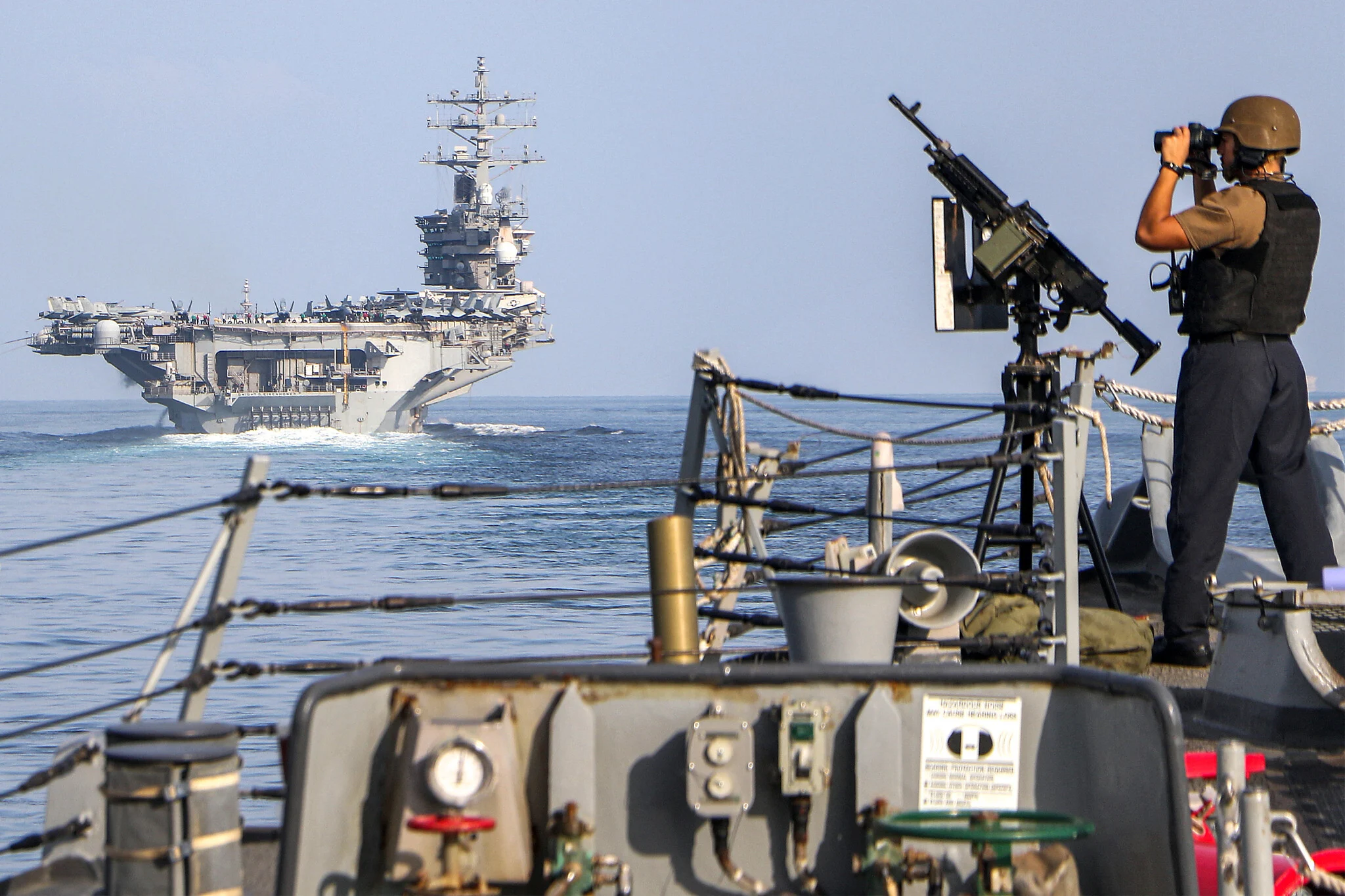
The Iran vessels warning issued by US authorities advised ships to remain vigilant while navigating waters near Iran, particularly in areas close to critical shipping corridors. While described as precautionary, the advisory was enough to prompt immediate reassessment across energy and shipping markets.
Such warnings are closely monitored by tanker operators, insurers, and commodity traders because they can directly affect transportation costs, delivery schedules, and overall market sentiment.
Strategic Importance of the Strait of Hormuz
The Strait of Hormuz remains one of the most strategically important waterways in the global economy. Roughly one fifth of the world’s oil consumption passes through this narrow passage each day, making it a focal point for energy security concerns.
Any advisory related to vessel safety in this region tends to attract global attention. Energy analysts emphasize that the strait’s limited alternatives amplify market sensitivity whenever risks appear elevated.
How Shipping Risks Translate Into Higher Prices
Shipping costs are a critical component of oil pricing. When warnings raise concerns about vessel safety, insurers may increase premiums, and operators may choose longer or less efficient routes.
The Iran vessels warning has revived fears that even short term changes in shipping behavior could tighten effective supply, supporting higher oil prices even if production levels remain unchanged.
Investor Behavior and Market Volatility
Energy markets experienced increased volatility following the advisory. Traders moved to hedge positions, while short term speculators sought to capitalize on price swings driven by geopolitical headlines.
Automated trading systems also played a role, reacting instantly to news alerts and amplifying market movements. Analysts noted that such systems often intensify initial reactions before fundamentals reassert themselves.
Voices From the Market
One senior energy strategist based in New York said,
“Markets don’t wait for disruptions to happen. When shipping routes are questioned, oil prices react almost immediately.”
A shipping industry executive added,
“Even a precautionary notice changes how operators plan routes and manage risk.”
Another trader commented,
“These developments typically create a temporary premium that stays until uncertainty fades.”
Impact on the Shipping Industry
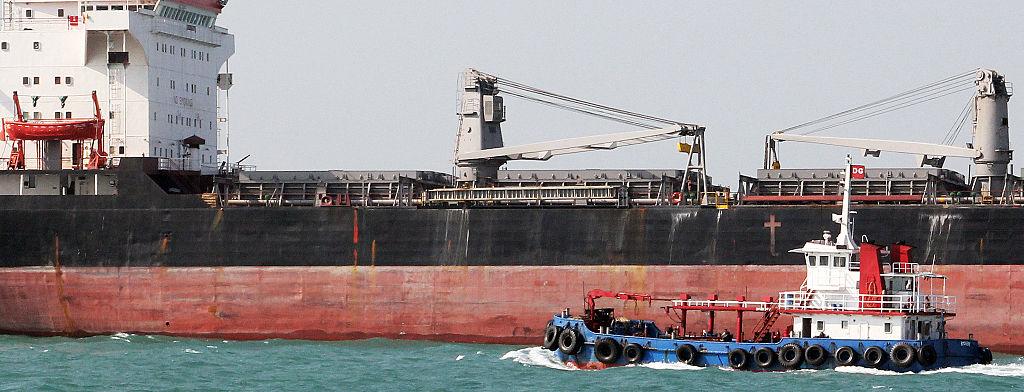
Shipping companies began reviewing safety protocols and voyage planning following the advisory. Some operators evaluated alternative routes, while others increased onboard security measures for crews and cargo.
The Iran vessels warning also prompted discussions with insurers, as underwriters reassessed exposure to routes near sensitive maritime zones.
Broader Economic Implications
Higher oil prices affect a wide range of industries beyond energy. Transportation, manufacturing, and aviation sectors all face increased costs when fuel prices rise.
Economists warn that sustained oil price increases can feed into inflation, particularly in countries heavily dependent on imported energy. As a result, developments affecting oil markets are closely watched by central banks and policymakers.
Diplomatic Context in the Middle East
The advisory comes amid ongoing diplomatic complexities in the Middle East. While officials emphasized that the warning was issued out of caution rather than in response to a specific incident, markets remain alert to any signals of escalation.
The Iran vessels warning highlights how geopolitical dynamics in the region continue to intersect with global economic stability.
Energy Security Concerns for Importing Nations
Oil importing countries monitor developments in Middle Eastern shipping routes carefully. Any perceived threat to these routes can trigger discussions about strategic reserves and diversification of supply sources.
Following the advisory, several governments reiterated that they maintain adequate reserves to manage short term disruptions, even as markets priced in heightened risk.
Regional Oil Production Remains Steady
Energy officials across the Middle East stressed that oil production levels remain stable. The advisory did not alter output policies, according to regional sources.
However, transportation remains a key vulnerability. The Iran vessels warning underscores how logistical risks can influence markets independently of production decisions.
History of Oil Market Responses to Gulf Advisories
The Gulf region has experienced multiple periods of heightened maritime caution over recent decades. Each Iran vessels warning echoes earlier episodes when oil prices rose due to uncertainty rather than actual supply shortages.
Historically, prices often stabilized once tensions eased, though short term volatility was a recurring feature during such periods.
The Role of Insurance and Freight Costs
Marine insurers play a crucial role in shaping shipping behavior. When risk perceptions rise, premiums often follow, adding to transportation costs.
Following the Iran vessels warning, insurance analysts reassessed exposure for vessels operating near sensitive waters, a process that can influence shipping decisions across the industry.
Technology and the Speed of Market Reaction
Modern trading platforms and real time news dissemination have transformed how energy markets respond to geopolitical developments.
The Iran vessels warning spread across trading terminals within minutes, demonstrating how quickly information now translates into price movements.
Impact on Refiners and End Users
Oil refiners and industrial consumers also felt the effects of rising prices. Some buyers moved to secure supplies earlier than planned, while others adjusted procurement strategies in response to market volatility.
These shifts highlight how geopolitical developments can influence decisions across the entire energy value chain.
Consumer Effects and Cost Pressures
For consumers, higher oil prices eventually translate into increased fuel and transportation costs. While short term price spikes may be absorbed, sustained increases can affect household budgets and business expenses.
Analysts note that market reactions to advisories like this often fade if tensions ease, but uncertainty remains a key factor.
Market Outlook for the Coming Weeks
Analysts expect oil prices to remain sensitive to headlines related to Middle Eastern shipping. If cautionary advisories persist, markets may continue to carry a risk premium.
Conversely, reassurance regarding vessel safety could ease concerns and help prices stabilize.
The Iran Vessels Warning and Market Psychology
The Iran vessels warning serves as a reminder that oil markets are shaped as much by psychology as by physical supply and demand.
Risk perception, amplified by rapid information flow, can drive significant price movements even in the absence of concrete disruptions.
Long Term Implications for Energy Markets
While renewable energy adoption continues to grow, oil remains a cornerstone of the global economy. Developments affecting key shipping routes will continue to influence markets for years to come.
The Iran vessels warning illustrates how traditional energy markets remain closely tied to geopolitical realities.
Global Policy Considerations
Governments and international organizations continue to emphasize the importance of maritime security in ensuring stable energy supplies.
The Iran vessels warning has renewed discussions around cooperation, surveillance, and risk mitigation in critical waterways.
Final Market Takeaway
From New York trading floors to the shipping lanes of the Strait of Hormuz, the Iran vessels warning in 2026 has once again highlighted the fragile link between geopolitics and global energy markets. As oil prices respond swiftly to perceived risks, the episode underscores the continued importance of maritime security in maintaining economic stability worldwide.