

Iran war supply disruption is impacting global trade in 2026, affecting energy, food, and consumer goods markets.
Shipping routes and logistics networks are under pressure as geopolitical tensions rise.
Experts warn prolonged disruption could reshape global supply chains and economic stability.
Brussels, Europe (Parliament Politics Magazine) Iran war supply disruption is rapidly reshaping global trade patterns in 2026, as escalating tensions in the Middle East interfere with shipping routes, energy flows, and supply chains. The conflict’s ripple effects are being felt across industries—from fuel and food to consumer goods—highlighting the fragility of interconnected global logistics systems.
Economists warn that prolonged instability could intensify inflation pressures and disrupt production cycles worldwide.
Iran War Supply Disruption in 2026
Location: Middle East / Global
Year: 2026
Primary Issue: Iran war supply disruption
Key Sectors Affected: Energy, shipping, FMCG, manufacturing
Main Impact: Delays, rising costs, supply shortages
Global Reach: Europe, Asia, and emerging markets
Outlook: Continued volatility with gradual adaptation
Energy Markets Face Immediate Pressure
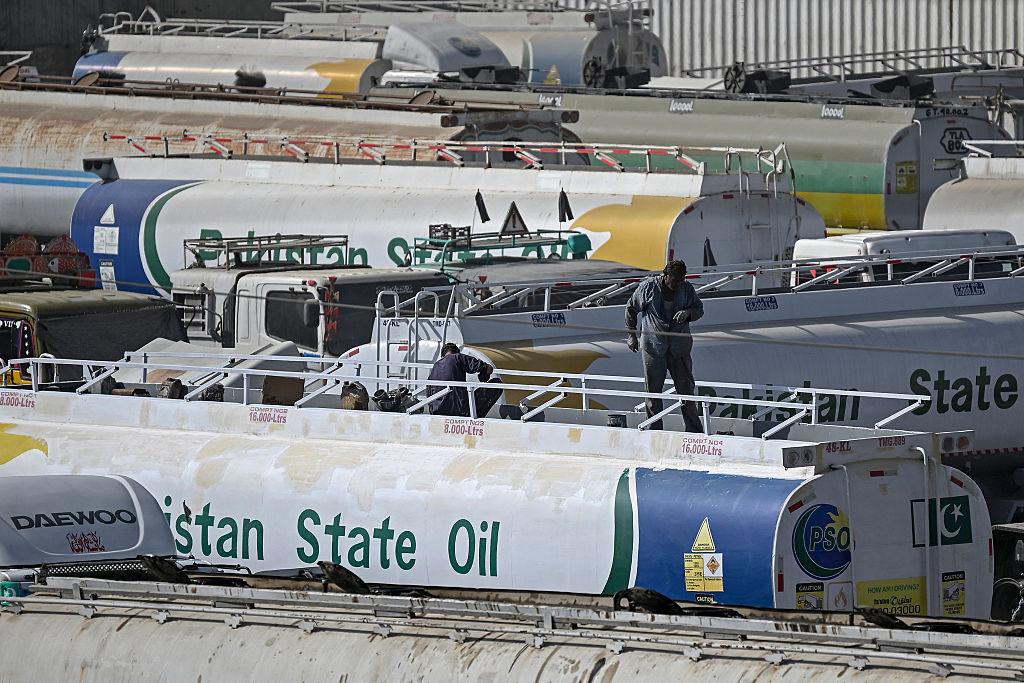
One of the most significant effects of the Iran war supply disruption is being felt in global energy markets. Oil and gas flows from the Middle East have experienced interruptions, leading to increased price volatility.
Energy analysts note that even partial disruptions can have outsized impacts due to the region’s strategic importance.
A market strategist stated:
“Energy markets react instantly to geopolitical risk, and supply disruptions amplify those reactions.”
Shipping Routes and Logistics Under Strain
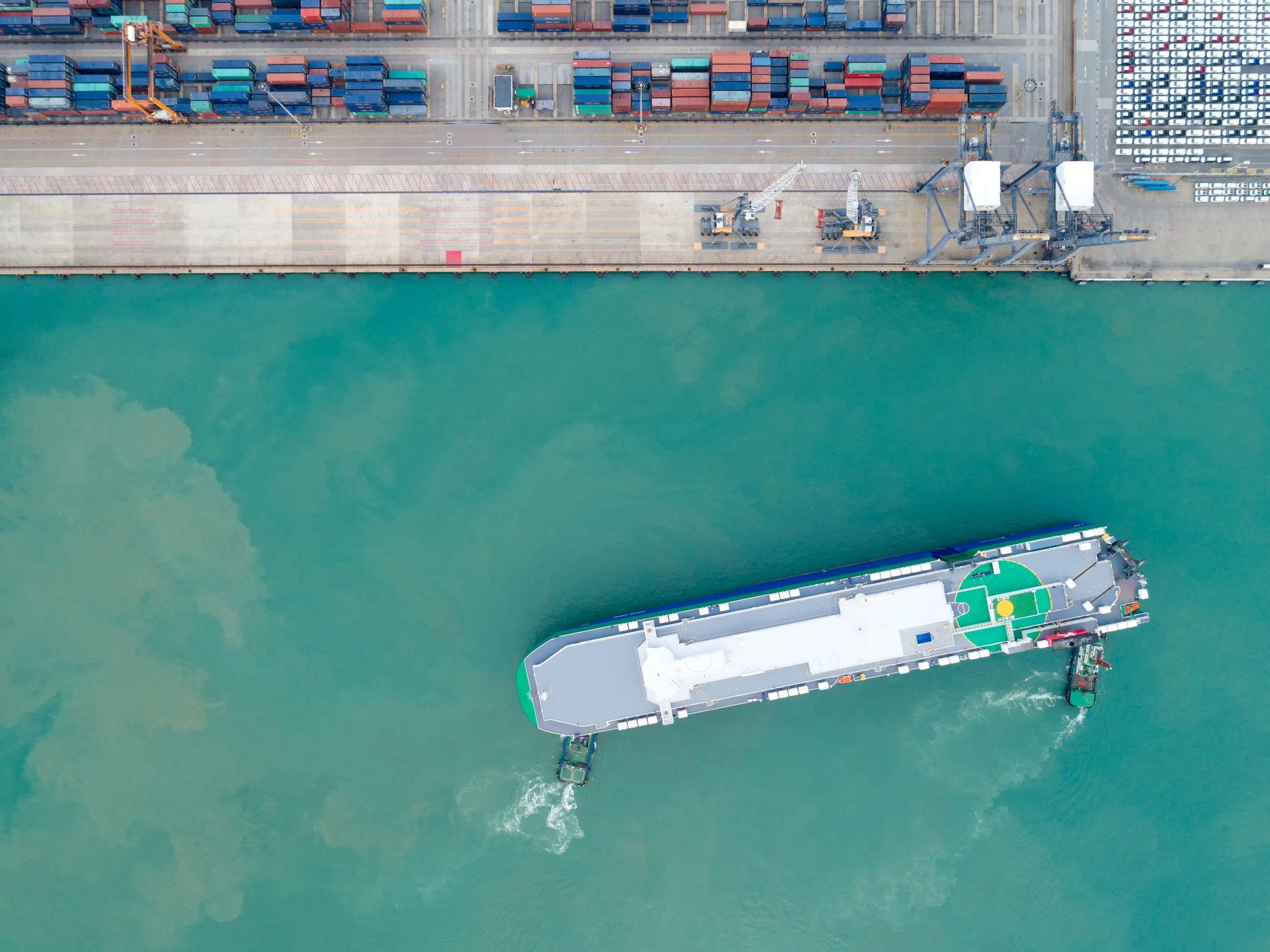
Key maritime routes near the Middle East have become increasingly difficult to navigate, affecting global shipping schedules. The Iran war supply disruption has forced companies to reroute shipments, increasing transit times and costs.
Logistics firms report delays in:
- Container shipments
- Bulk cargo transport
- Energy shipments
These disruptions are cascading through global supply chains.
Consumer Goods Markets Experience Ripple Effects
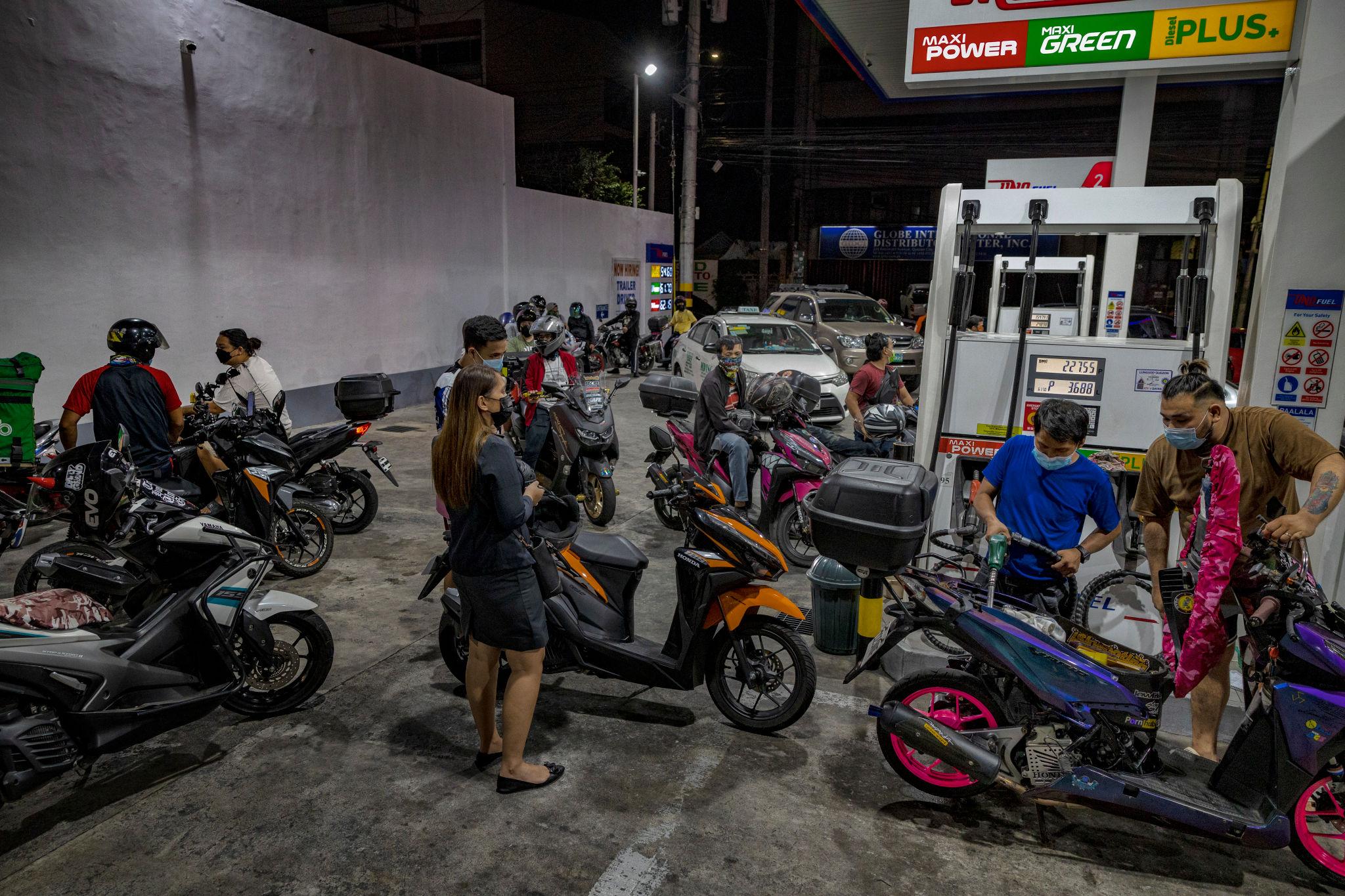
The Iran war supply disruption is not limited to energy and shipping. Consumer goods markets are also feeling the impact, as supply shortages and higher transportation costs affect product availability.
Retailers in multiple regions report:
- Delays in imported goods
- Rising prices
- Increased reliance on local suppliers
Food Supply Chains Face Growing Challenges
Agricultural supply chains are also under pressure due to transportation disruptions and rising fuel costs. The Iran war supply disruption is contributing to higher food prices and potential shortages in certain regions.
Food security experts warn that prolonged disruptions could have significant humanitarian implications.
Manufacturing Sector Adapts to New Constraints
Manufacturers are adjusting operations to cope with the Iran war supply disruption, including sourcing materials from alternative suppliers and increasing inventory levels.
These adaptations are helping mitigate some of the immediate impacts but may increase costs in the long term.
Financial Markets React to Uncertainty
Global financial markets have responded to the Iran war supply disruption with increased volatility. Investors are closely monitoring developments, particularly in energy and commodity sectors.
Analysts suggest that continued uncertainty could influence investment decisions and economic forecasts.
History of Geopolitical Supply Disruptions
Historically, conflicts in the Middle East have had significant impacts on global supply chains. From oil embargoes to regional conflicts, disruptions have repeatedly reshaped trade patterns.
The current Iran war supply disruption follows this pattern, reinforcing the importance of diversification and resilience in global logistics.
Technological and Strategic Responses
Companies and governments are increasingly turning to technology and strategic planning to address supply chain vulnerabilities. The Iran war supply disruption is accelerating investment in:
- Supply chain monitoring systems
- Alternative energy sources
- Regional manufacturing hubs
These measures aim to reduce dependence on high-risk areas.
Long-Term Outlook for Global Supply Chains
The long-term impact of the Iran war supply disruption may lead to a reconfiguration of global trade networks. Companies are likely to prioritize resilience over efficiency, leading to more diversified supply chains.
A supply chain expert noted:
“The future of global trade will be defined by resilience, not just cost efficiency.”
Expert Quotes and Industry Insights
“Iran war supply disruption is a reminder of how interconnected and vulnerable global trade systems are.”
“Companies that adapt quickly will emerge stronger from these challenges.”
“Geopolitical risks are becoming a permanent factor in supply chain planning.”
Key Developments Summary
Iran war supply disruption is affecting global trade in 2026, impacting energy markets, shipping routes, and consumer goods. The situation highlights the vulnerability of interconnected supply chains and the importance of resilience. While companies are adapting, prolonged instability could lead to lasting changes in global trade patterns.