


BELFAST, June 10 (Parliament Politics Magazine) – The prospect of re-establishing a physical, hard Irish border has returned to the center of political discourse following recent concerns over immigration security. While calls for stricter controls have gained momentum after a violent incident in Northern Ireland, experts and policymakers caution that any shift toward a formal barrier risks dismantling decades of hard-won stability.
The debate stems from the movement of asylum seekers traveling into the United Kingdom via the Republic of Ireland. Following an attack in Belfast, some political voices suggested that the border must be physically closed to ensure national security. However, this reactionary approach ignores the foundational commitments that have kept the region peaceful since the signing of the Good Friday Agreement.
Why Stability Must Come First
Maintaining the integrity of the Good Friday Agreement remains the primary argument against changing the status quo. The agreement effectively rendered the border between Northern Ireland and the Republic of Ireland invisible, building upon the freedoms originally established by the Common Travel Area in 1922. For those who lived through the Troubles, the removal of physical, spiritual, and psychological barriers between communities was a transformative achievement.
Re-erecting a hard Irish border would fundamentally threaten the delicate peace that has allowed Northern Ireland to prosper. Any attempt to turn this invisible frontier into a controlled zone could undermine the social fabric of local communities. History shows that when political tensions rise, the border becomes a lightning rod for unrest. Leaders are now warning that sacrificing long-term stability for short-term political gains is a dangerous path that could undo years of reconciliation efforts.
The Impossible Logistics of Control
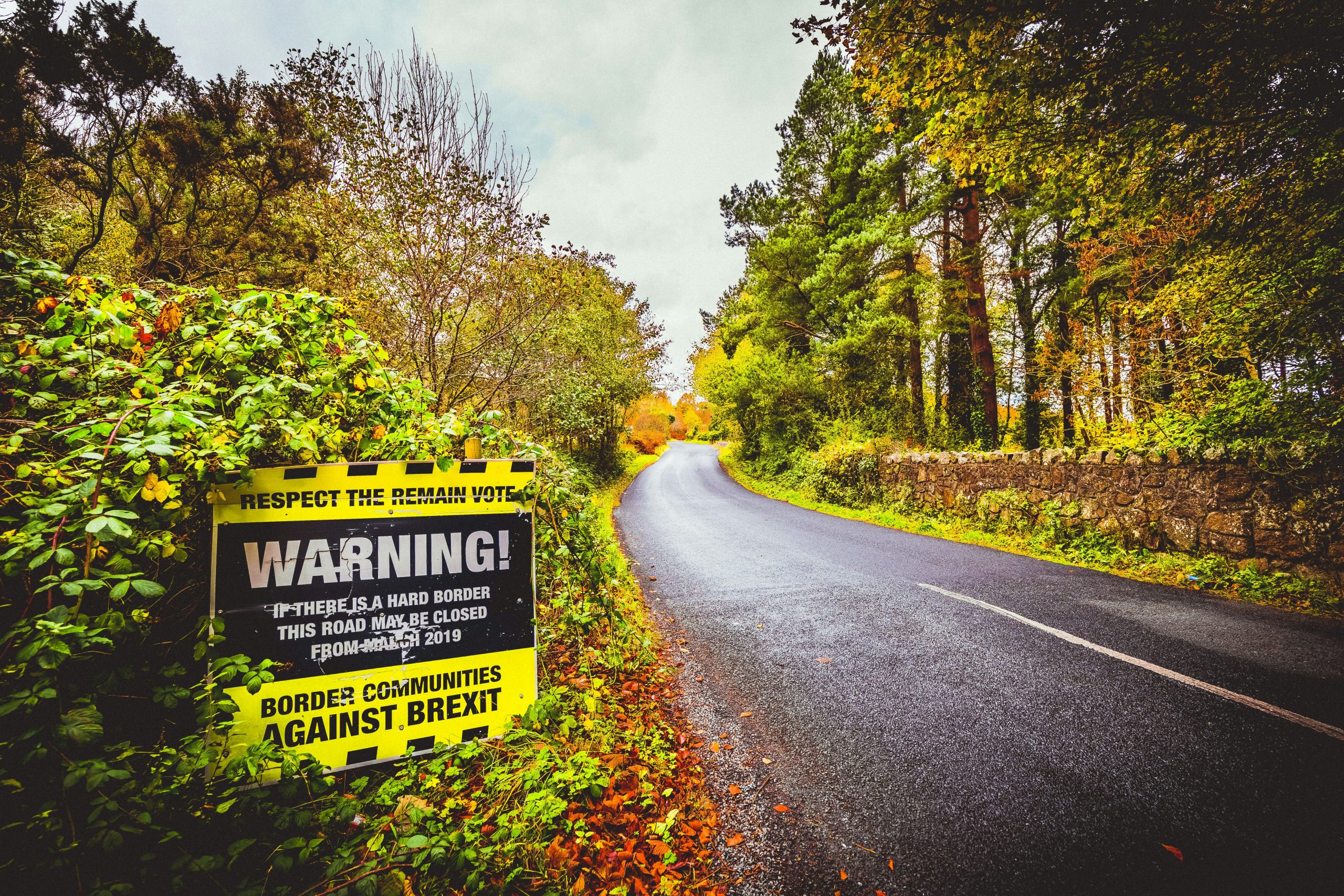
Beyond the political risks, the physical reality of the frontier presents an insurmountable challenge. There are nearly 300 roads that cross the border, a figure that dwarfs the number of crossings that existed along the former Iron Curtain. Attempting to patrol this expanse would require a massive infrastructure overhaul, likely forcing the closure of hundreds of minor routes and the permanent presence of officials at all major crossings.
For the residents and businesses that rely on daily cross-border movement, these changes would be economically ruinous. The logistical burden of monitoring such a porous boundary makes the concept of a hard Irish border appear functionally impossible. Critics of the proposal point out that the sheer number of crossing points would render a physical border ineffective unless the government were prepared to isolate entire communities from their neighboring towns.
Addressing the Migration Loophole
While the call for a hard Irish border is widely viewed as impractical, the underlying concern regarding immigration remains a point of contention. Some argue that the open border creates a security vulnerability by allowing individuals to bypass traditional entry controls. However, many analysts believe the focus should be directed elsewhere.
According to the report, the issue is not merely the border itself but the broader policy framework regarding how individuals move between jurisdictions.
As the analysis notes, “The real issue is why they are able to pass through other safe countries and yet still be granted asylum here.”
Focusing exclusively on the border misses the structural complexities of the current migration system. Rather than creating new divisions, officials are being urged to address why safe transit routes through other European nations are resulting in unauthorized entries into the UK. By shifting the conversation away from a physical barrier, policymakers may find more effective ways to manage security without resorting to measures that threaten the peace of the region. The lessons of the past serve as a stern reminder that the risks of a hard Irish border far outweigh any perceived security benefits.