Washington, D.C., March 25, 2026 (Parliament Politics Magazine), Brussels Morning Newspaper — Israel Hezbollah conflict update has taken a dramatic turn after a senior U.S. counterterrorism official resigned in protest, signaling deep concern over escalating regional tensions and the direction of American foreign policy.
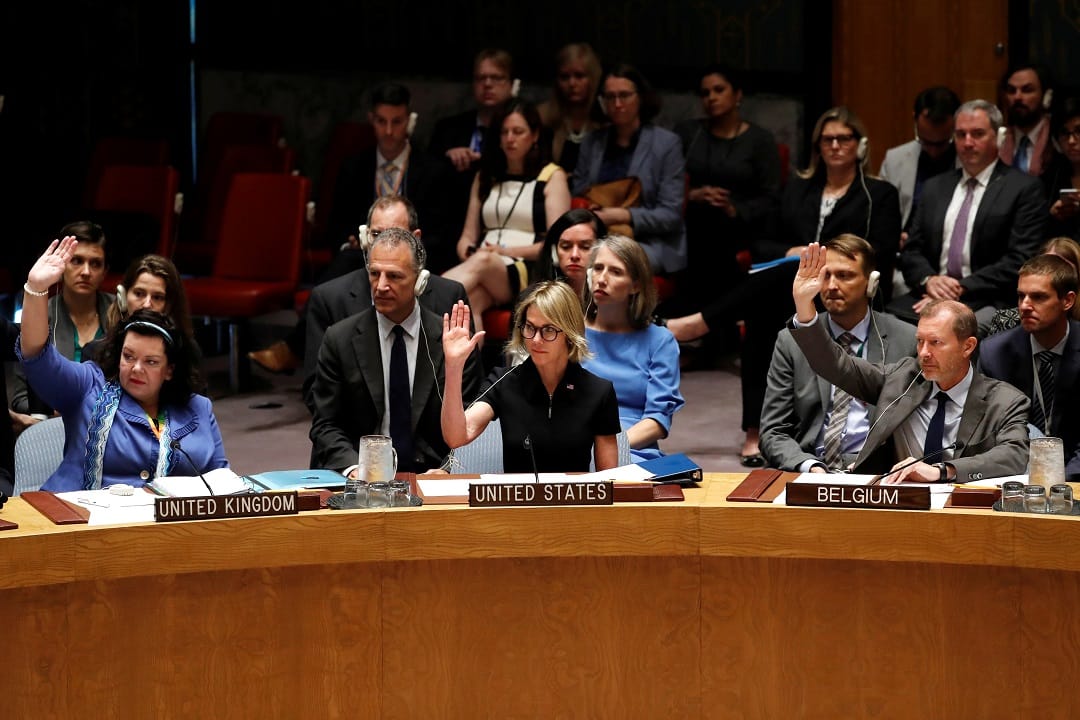
The resignation comes amid mounting pressure from Israel, whose foreign minister has urged the United Nations Security Council to condemn Hezbollah and formally designate it as a terrorist organization. These developments are intensifying global scrutiny as the Middle East edges closer to a broader confrontation.
Senior Counterterrorism Official Resigns in Protest
The sudden resignation of a high-ranking counterterrorism official has raised serious questions about internal disagreements within the U.S. government. Sources indicate the official stepped down due to concerns over escalating conflict dynamics and the potential consequences of current policy decisions.
The official, who had been instrumental in shaping national security strategy, reportedly warned that the current path could deepen instability rather than reduce threats.
“This direction risks widening the conflict beyond control,”
the official said in a brief but impactful statement.
Escalation in the Middle East
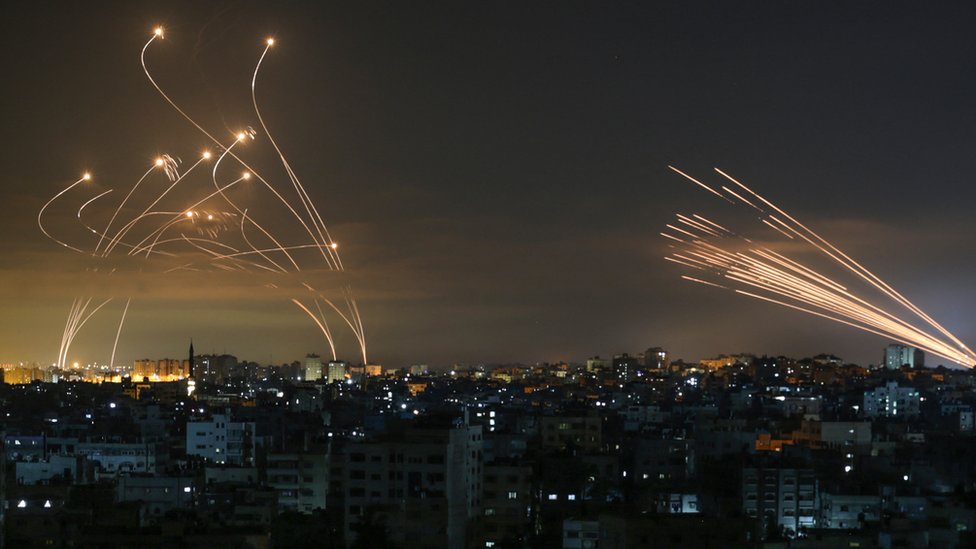
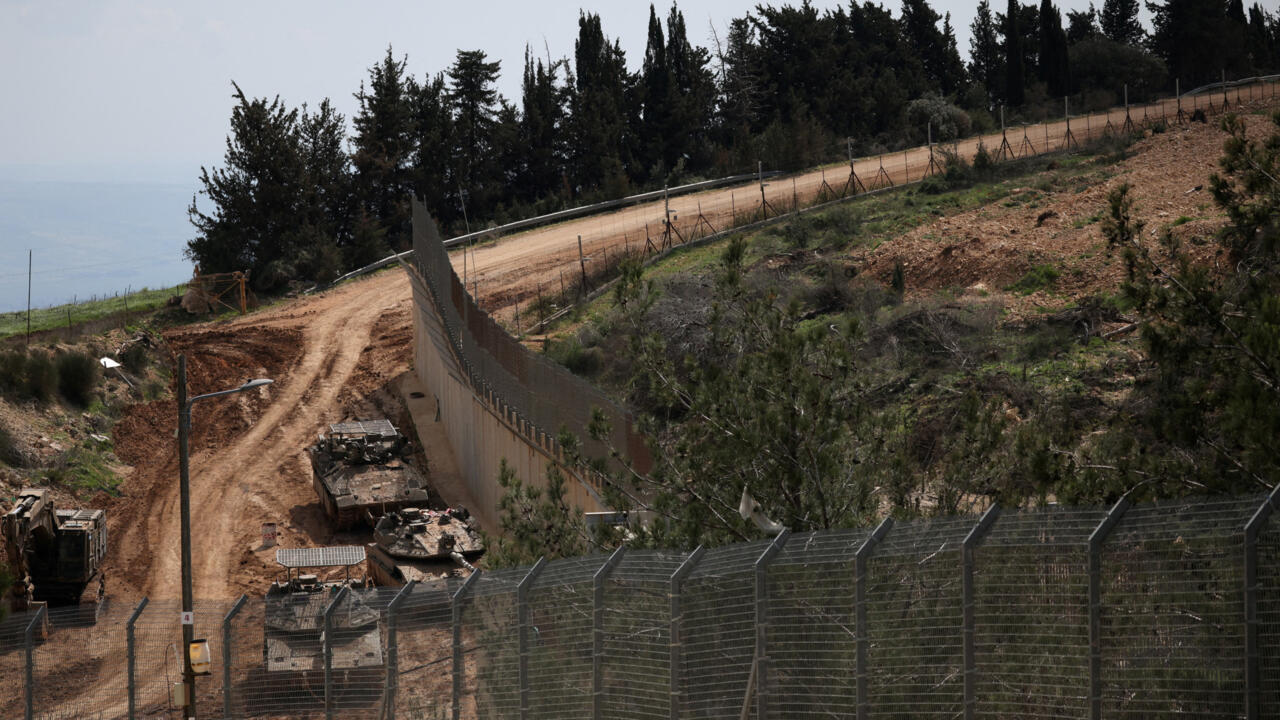
The latest Israel Hezbollah conflict update reflects a rapidly intensifying situation across the region. Cross-border tensions, military posturing, and political rhetoric have all contributed to a volatile environment.
Hezbollah, widely viewed as a powerful armed group with strong regional influence, remains at the center of the crisis. Israel has repeatedly warned of the growing threat posed by Hezbollah’s capabilities and its ties to Iran.
Experts believe the situation could evolve quickly, with any miscalculation potentially triggering wider hostilities.
Israel Pushes UN Security Council Action
Israel has taken its concerns to the global stage, calling on the United Nations Security Council to take decisive action against Hezbollah.
The proposal includes:
- Official condemnation of Hezbollah’s activities
- Formal designation as a terrorist organization
- Expanded international sanctions
Israel argues that global recognition of the threat is essential to preventing further escalation and ensuring regional security. The move also places additional pressure on international allies to take a clear stance.
Global Reactions Intensify
The resignation and Israel’s diplomatic push have sparked strong reactions worldwide. Governments and international organizations are closely monitoring developments, recognizing the potential for far-reaching consequences.
European leaders have emphasized the need for diplomatic engagement, while some Middle Eastern nations are preparing for potential security challenges.
The international community faces a difficult balancing act between addressing immediate threats and preventing a larger conflict.
Internal US Policy Divisions Emerge
The departure of a senior official highlights growing divisions within the U.S. administration. Reports suggest disagreements over military involvement, intelligence assessments, and diplomatic priorities have been intensifying.
Some policymakers advocate for a more aggressive stance to counter regional threats, while others call for restraint and renewed diplomatic efforts.
These internal debates underscore the complexity of managing a situation with global implications.
Strategic Impact on Regional Stability
This Israel Hezbollah conflict update carries significant implications for the broader Middle East. Analysts warn that continued escalation could:
- Expand proxy conflicts across multiple countries
- Disrupt global energy markets
- Increase security risks for neighboring regions
Hezbollah’s role in the conflict further complicates efforts to stabilize the region, given its influence and connections.
Economic and Security Concerns Rise
Global markets have begun reacting to the heightened uncertainty. Oil prices remain volatile, reflecting concerns over potential disruptions in supply.
Security agencies worldwide are also on high alert, anticipating possible spillover effects. The resignation of a key official adds another layer of unpredictability, raising questions about policy continuity.
A Critical Moment in US Foreign Policy
Many observers see this as a defining moment for U.S. foreign policy. The resignation suggests that even senior officials are questioning the current approach.
The situation demands careful navigation, balancing national security objectives with the risks of escalation. Decisions made now could shape international relations for years to come.
United Nations Faces Mounting Pressure
The United Nations is under increasing pressure to respond to Israel’s call for action. However, reaching consensus within the Security Council remains a significant challenge.
Differences among member states could complicate efforts to implement any meaningful measures. Despite this, the UN’s role will be crucial in shaping the global response.
What Lies Ahead?
The unfolding Israel Hezbollah conflict update leaves several critical questions unanswered:
- Will the U.S. adjust its strategy?
- How will Hezbollah respond to increased pressure?
- Can diplomatic efforts prevent further escalation?
The answers to these questions will determine the trajectory of the crisis and its global impact.
Key Developments at a Glance
The Israel Hezbollah conflict update has entered a critical phase, marked by the resignation of a senior U.S. counterterrorism official and increased international pressure on Hezbollah.
With rising tensions, diplomatic challenges, and global economic implications, the situation highlights the urgency of strategic decision-making and coordinated international action.