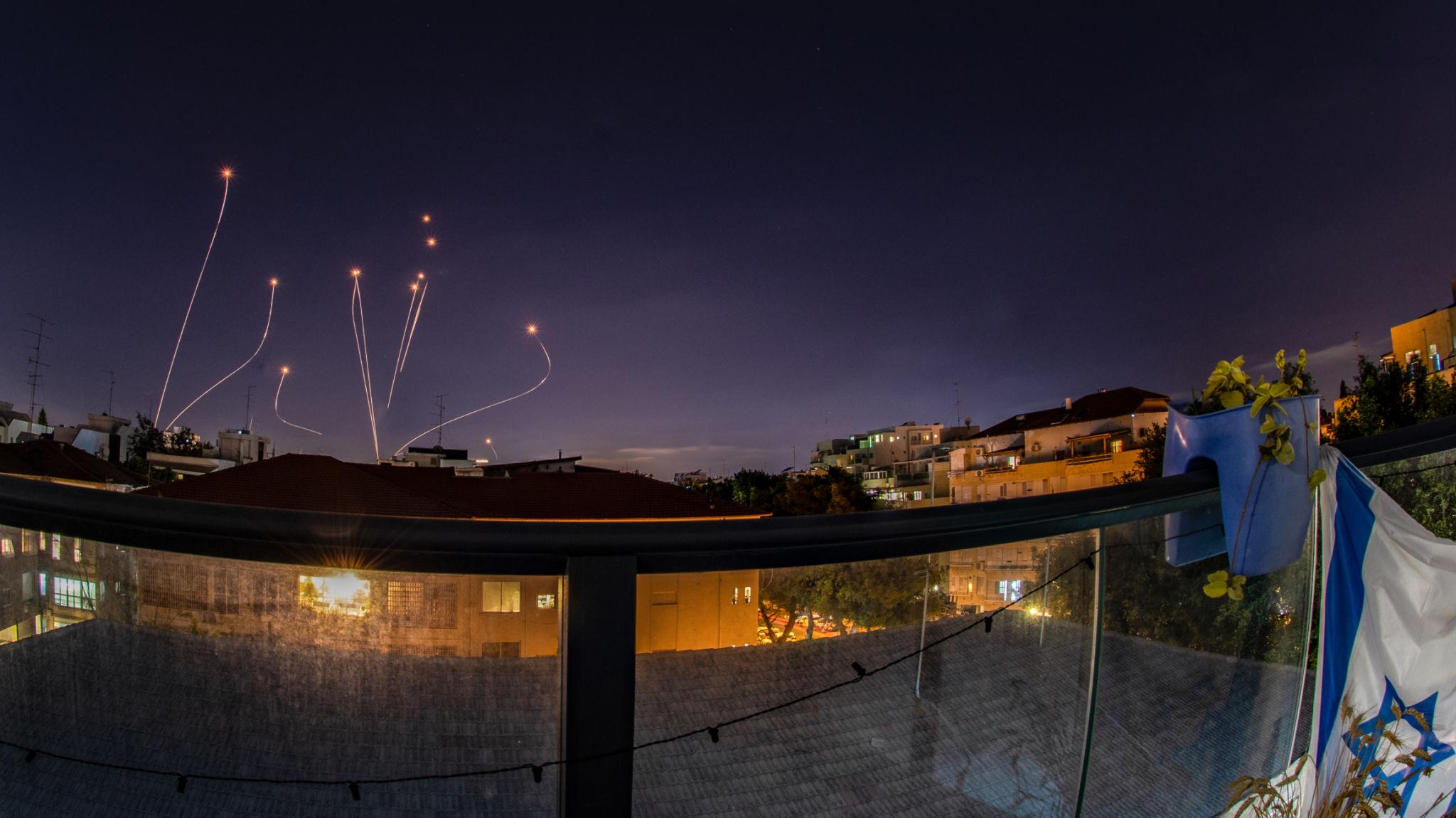
Jerusalem, Israel — March 10, 2026 — Parliament News — regional security concerns increased after reports that Israeli air defense systems intercepted an Iranian drone approaching sensitive airspace near the Golan Heights. The incident quickly drew international attention because it occurred at a time when Israel Iran tensions have already been escalating due to ongoing military activity, surveillance operations, and geopolitical rivalry across the Middle East.
Military monitoring groups reported that the drone was detected by Israeli radar before entering Israeli monitored airspace. Within minutes, defense systems were activated and the drone was intercepted before causing any damage. While Israeli officials did not release detailed operational information, analysts believe the aircraft may have been conducting reconnaissance over military positions near the Syrian border.
Security experts say incidents like this highlight how modern military confrontations increasingly involve unmanned aerial vehicles rather than traditional aircraft. Drones are often used to collect intelligence, monitor troop movements, or test air defense systems. The latest interception has once again placed Israel Iran tensions at the center of regional security discussions.
Drone Activity Raises Regional Security Concerns
Southern Syria remains one of the most sensitive security zones in the Middle East. The region sits close to the Israeli controlled Golan Heights and has become an area where various armed groups, military advisors, and regional powers maintain influence.
For Israel, monitoring this airspace is a strategic priority. Officials have repeatedly warned that any hostile military presence near its borders will be addressed quickly. When the drone was detected approaching the region, the interception was viewed as part of Israel’s defensive policy to maintain control over its airspace.
Experts say the event illustrates how technological competition plays a growing role in Israel Iran tensions, particularly as both countries develop more advanced surveillance and drone capabilities.
Iran’s Expanding Drone Technology
Iran has invested heavily in unmanned aerial technology over the past decade. Its drone fleet now includes reconnaissance platforms capable of long distance flights as well as systems that can carry explosive payloads.
Military analysts believe drones provide strategic advantages because they are relatively inexpensive and can gather intelligence without risking pilots. These capabilities have made drones a central feature of modern conflicts across the Middle East.
The latest interception shows how these technologies are influencing Israel Iran tensions, especially in areas where both countries monitor each other’s military activities closely.
Historical Comparison With Past Confrontations
The recent drone interception fits into a broader pattern of confrontations between the two countries. Over the years there have been several incidents involving aerial surveillance, missile strikes, and military operations linked to their rivalry.
A notable example occurred in 2018 when Israeli forces shot down an Iranian drone that entered Israeli airspace from Syria. That event triggered a series of retaliatory airstrikes and temporarily increased military alert levels across the region.
Historically, technological encounters such as aerial interceptions have often served as warning signals before wider conflicts. Similar patterns were seen during the Cold War when rival powers intercepted surveillance aircraft as part of strategic competition. Today, analysts say Israel Iran tensions are increasingly expressed through drone incidents rather than direct large scale battles.
Quote From Regional Security Expert
One Middle East security analyst explained the significance of the event by saying:
“Drone interceptions have become a symbol of how modern geopolitical rivalries unfold. When these aircraft appear near sensitive borders, it reinforces how fragile the situation remains and how easily regional security dynamics can shift.”
The expert added that Israel Iran tensions will likely continue to shape military planning across the Middle East for the foreseeable future.
Global Attention on the Middle East
The drone incident has also drawn attention from international observers. Governments and global markets often react quickly to military developments in the Middle East because the region plays a critical role in energy production and global shipping routes.
Even limited confrontations can influence investor confidence and oil prices. As a result, diplomats frequently call for restraint when events connected to Israel Iran tensions occur.
The Signal Behind the Interception
The interception of the drone near southern Syria highlights how sensitive the regional balance remains. Military technology, intelligence operations, and strategic deterrence all play roles in shaping the evolving rivalry between Israel and Iran.
Although the situation ended without casualties, analysts say the event reflects the continuing geopolitical contest that defines Israel Iran tensions and influences security policy across the region.
Key Takeaways From the Drone Incident
The recent report that the Israeli military intercepted a drone near southern Syria illustrates how quickly security incidents can draw global attention. The event underscores the growing role of drones in modern warfare, the strategic importance of the Syrian border region, and the ongoing geopolitical rivalry shaping the Middle East.
While the immediate threat was neutralized, the episode highlights the fragile balance of power that continues to define Israel Iran tensions. For regional leaders and international observers alike, preventing these tensions from escalating further will remain a major diplomatic and security challenge in the years ahead.