


Beirut, Lebanon — March 5, 2026 — Parliament News — The Israel Lebanon conflict has entered another tense phase as warnings directed at residents in parts of Beirut’s southern suburbs triggered concern across the Lebanese capital. Authorities issued urgent alerts advising civilians to leave certain areas immediately, raising fears that military operations could occur if tensions continue to escalate.
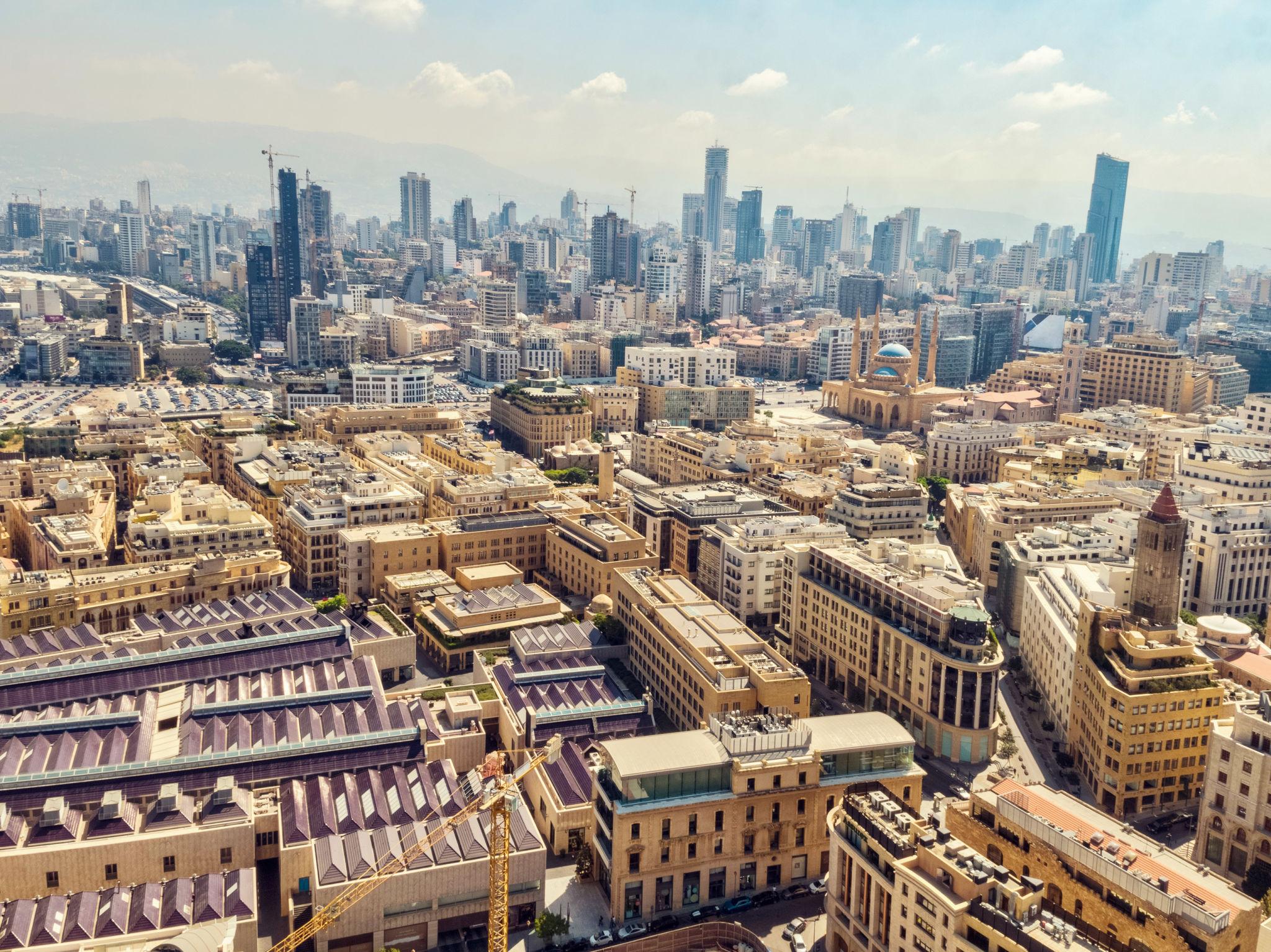
Southern Beirut is a densely populated area known for residential neighborhoods, commercial districts, and political influence connected to Hezbollah. Because of that, any security warnings linked to the Israel Lebanon conflict carry serious implications for both civilians and the broader stability of the region.
Residents in affected districts reported a sudden wave of uncertainty after the warnings spread through local media and social networks. Many families began discussing temporary relocation plans while others waited for additional information from authorities.
Although daily life in Beirut continues, the atmosphere across the city has become noticeably tense.
Why the Situation Is Escalating
Security analysts say the Israel Lebanon conflict has been gradually intensifying due to growing military tensions between Israel and Hezbollah. Cross border exchanges of fire, intelligence reports about weapons infrastructure, and political rhetoric have all contributed to the fragile environment now unfolding.
Israel has repeatedly warned that it considers Hezbollah’s military capabilities a serious threat. Lebanese officials, however, warn that any escalation could place civilians in danger and destabilize the country even further.
This ongoing confrontation is complicated by the fact that many areas linked to the conflict are located near civilian neighborhoods. As a result, evacuation warnings and security alerts often affect large populations.
The situation remains fluid, and both regional governments and international observers are closely monitoring developments.
Life for Civilians in Southern Beirut
For the hundreds of thousands of people living in Beirut’s southern suburbs, the Israel Lebanon conflict is not just a geopolitical issue but a daily reality. The neighborhoods affected by recent warnings are filled with apartment buildings, schools, local markets, and small businesses.
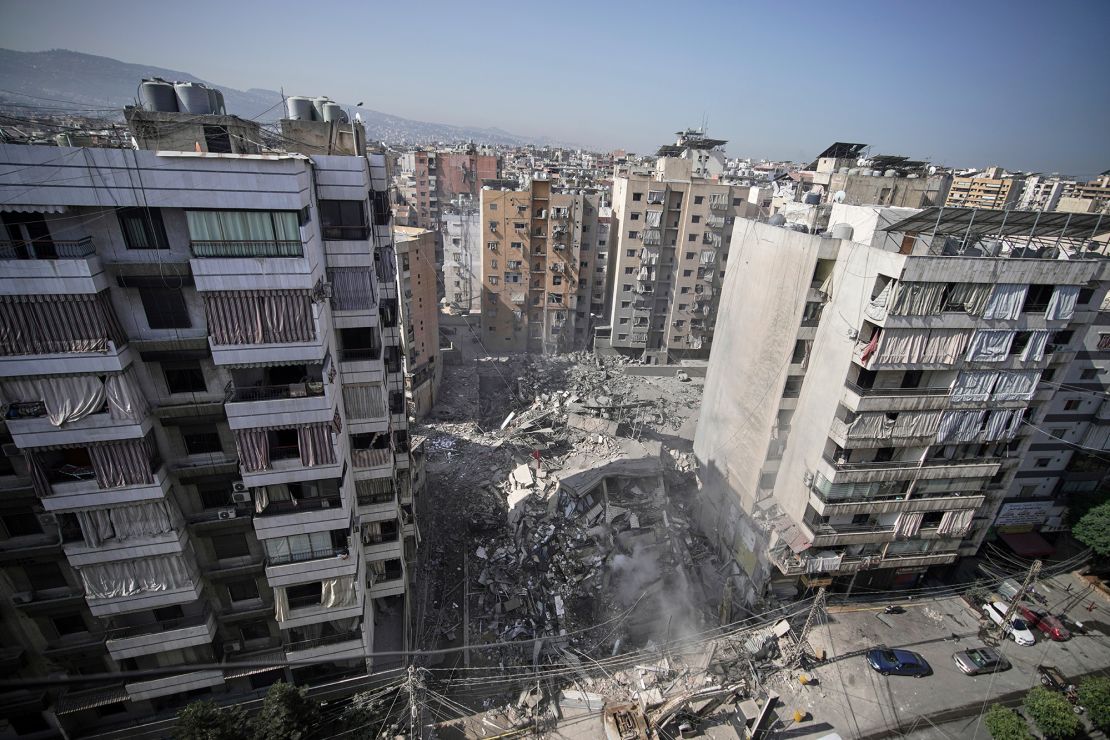
When security alerts are issued, families must quickly decide whether to remain in their homes or temporarily relocate to safer areas. Transportation routes can become congested as people attempt to leave at the same time.
Local shop owners say economic activity often slows during periods of tension. Customers become cautious, businesses close early, and uncertainty spreads throughout the community.
Despite these challenges, many Beirut residents have experienced similar situations before and remain resilient in the face of uncertainty.
Historical Comparison With Past Conflicts
The current Israel Lebanon conflict inevitably brings back memories of the 2006 war between Israel and Hezbollah. That conflict lasted more than a month and caused widespread destruction across southern Lebanon and parts of Beirut. Thousands of homes were damaged or destroyed, and hundreds of thousands of civilians were displaced.
While the current situation has not reached that scale, analysts warn that the underlying tensions remain similar. Military buildups, political hostility, and regional alliances continue to shape the strategic environment.
Many observers hope that lessons learned from past conflicts will encourage leaders to pursue diplomatic solutions before the situation escalates further.
International Reactions
Global leaders have responded cautiously to the latest developments connected to the Israel Lebanon conflict. Governments across Europe and the Middle East have urged restraint and emphasized the importance of diplomatic dialogue.
International organizations have also called for the protection of civilians and the avoidance of military actions that could worsen humanitarian conditions.
Lebanon is already facing severe economic challenges, and many international observers believe that further instability could deepen the country’s financial crisis.
Diplomatic efforts are ongoing, though the effectiveness of these initiatives remains uncertain.
Voices From the Region
Amid growing tension, security experts and regional analysts have expressed concern about the possibility of a wider confrontation.
One Middle East security analyst summarized the danger by saying,
“The greatest risk is that a single miscalculation could rapidly transform a localized confrontation into a much broader regional crisis.”
Residents across Beirut share similar worries. Many say they hope that diplomatic pressure will succeed in calming the situation before any major military action occurs.
For civilians, the priority remains safety and stability.
What Happens Next
The coming days will likely determine whether the Israel Lebanon conflict escalates further or moves toward de escalation. Military warnings, political messaging, and diplomatic negotiations are all unfolding simultaneously.
For now, Beirut remains a city waiting for clarity. While daily life continues in many neighborhoods, the uncertainty surrounding recent warnings has reminded residents how quickly regional tensions can affect ordinary people.
Beirut has endured decades of political turmoil, conflict, and economic hardship. Yet the city has also shown remarkable resilience.
As the Israel Lebanon conflict continues to develop, the hope shared by many residents is simple: that diplomacy prevails before the region faces another devastating chapter.