

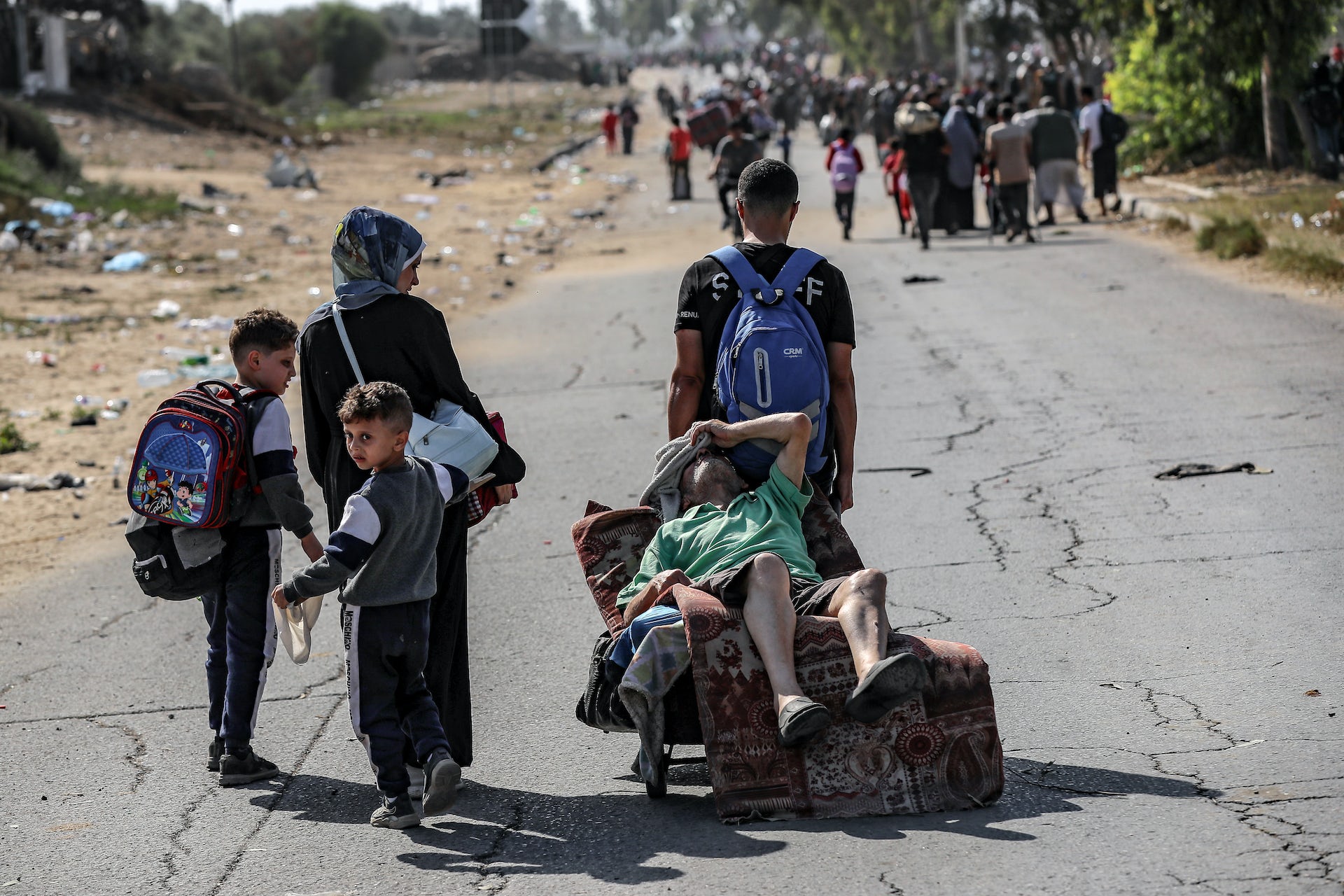
Washington / Beirut, March 26, 2026 (Parliament Politics Magazine) Israel Lebanon evacuation crisis intensifies as a top counterterrorism official resigns in protest of escalating U.S. war posture toward Iran, while Israeli forces expand operations and demand more civilians in southern Lebanon flee conflict zones.
The overlapping developments have heightened global concern, signaling a dangerous turning point in Middle East tensions and raising alarms about the potential for broader regional instability.
Resignation Highlights Deep Policy Divide
The resignation of a senior counterterrorism official has sent shockwaves through Washington, with analysts interpreting the move as a clear indication of internal disagreement over U.S. strategy.
Sources suggest the official stepped down over concerns that escalating military actions toward Iran could amplify regional conflict, especially amid the ongoing Israel Lebanon evacuation crisis.
A senior policy expert noted:
“When leadership fractures during a geopolitical crisis, it reflects serious concerns about the direction of policy and its potential consequences.”
The decision underscores growing unease within national security circles regarding the long-term implications of current strategies.
Israel Expands Evacuation Orders in Southern Lebanon
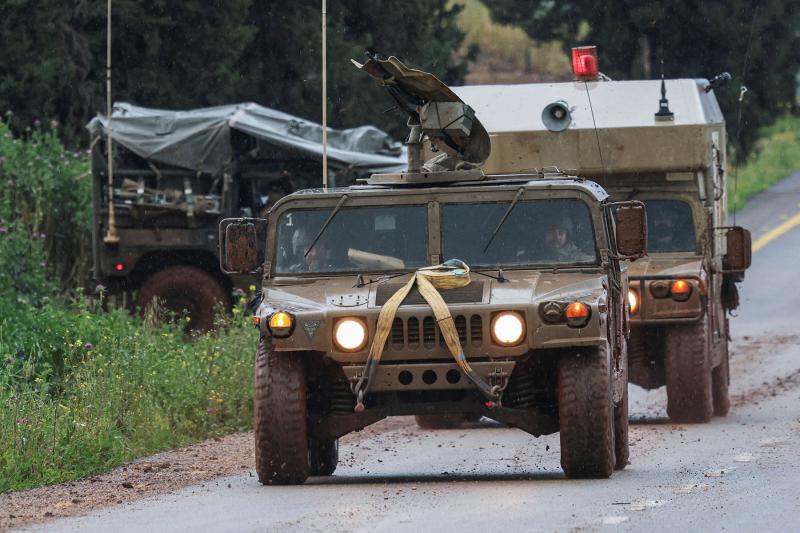
The Israel Lebanon evacuation crisis has escalated rapidly as the Israeli military issues expanded evacuation orders across southern Lebanon. Thousands of residents have been urged to leave their homes as ground operations intensify.
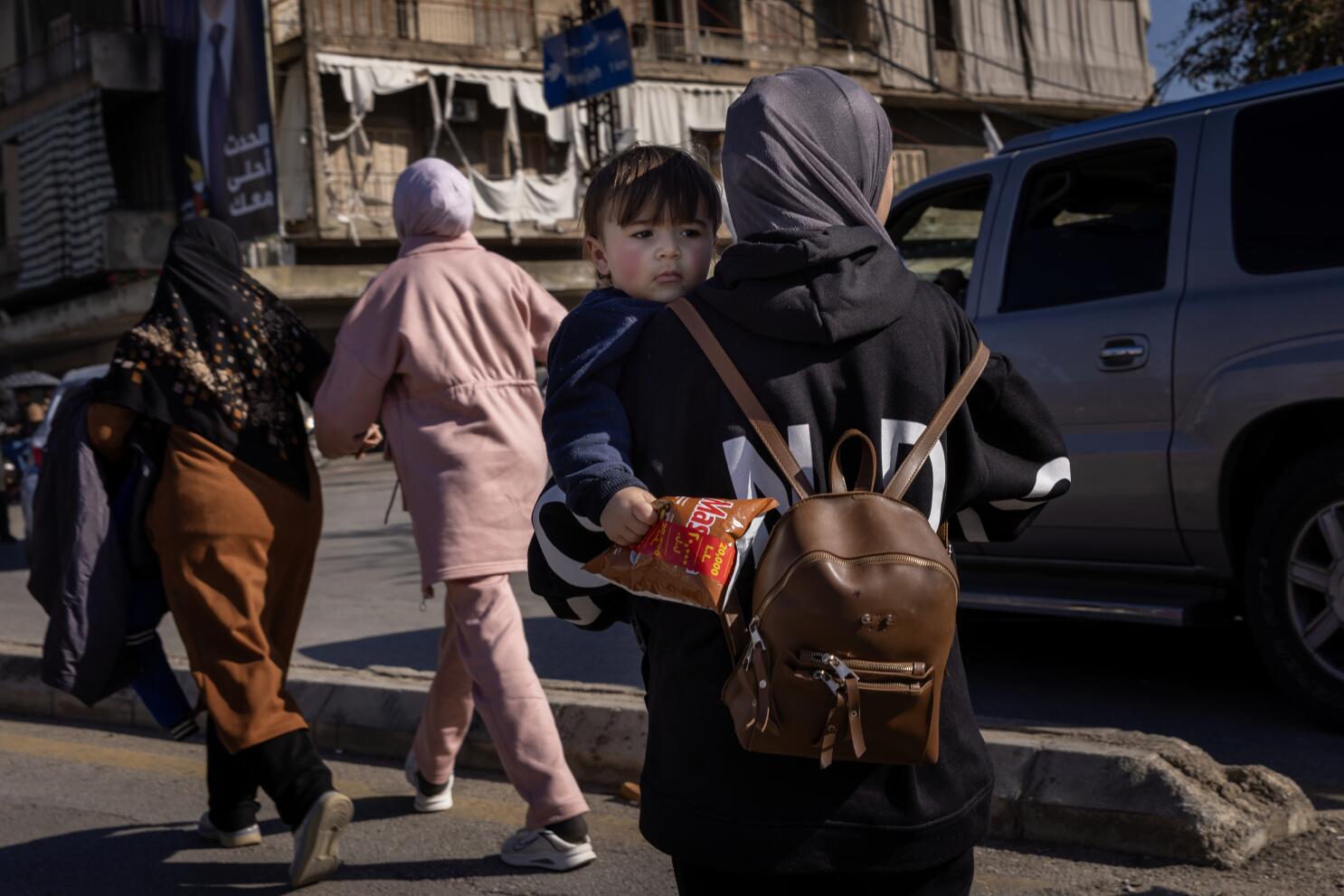
Local sources report increasing displacement, with civilians scrambling to move to safer areas amid fears of continued military activity.
Key developments include:
- Expanded evacuation warnings across multiple مناطق
- Intensified ground operations near border regions
- Growing humanitarian pressure due to civilian displacement
These actions highlight the urgency and seriousness of the Israel Lebanon evacuation crisis, which continues to evolve by the hour.
US-Iran Tensions Add to Regional Instability
The situation is further complicated by rising tensions between the United States and Iran. Military positioning, intelligence operations, and increased readiness levels have raised the risk of a broader confrontation.
Analysts warn that the convergence of U.S.-Iran tensions with the Israel Lebanon evacuation crisis could lead to a multi-front conflict scenario.
Key indicators of escalation include:
- Increased naval deployments in strategic waters
- Expanded drone surveillance and interceptions
- Elevated alert levels across U.S. military installations
These developments have intensified global fears of a wider conflict.
Humanitarian Impact Worsens
The Israel Lebanon evacuation crisis is having a significant humanitarian impact, with thousands of civilians displaced and uncertainty growing about their safety.
Humanitarian organizations are preparing for a potential surge in aid needs, including shelter, medical care, and food supplies.
A regional observer stated:
“The human cost of the Israel Lebanon evacuation crisis is rising rapidly, and the situation could deteriorate further if fighting continues.”
The displacement of civilians underscores the urgency of diplomatic intervention.
Egypt Pushes for Diplomatic Resolution
Amid the escalating crisis, Egypt has stepped forward as a key mediator, working to de-escalate tensions and prevent further conflict.
Egyptian officials are engaging with regional leaders to encourage dialogue and reduce military actions.
Diplomatic priorities include:
- Facilitating communication between conflicting parties
- Reducing military escalation
- Preventing the spread of conflict
Egypt’s efforts are viewed as a crucial step toward stabilizing the situation, though challenges remain significant.
Global Security Concerns Intensify
The Israel Lebanon evacuation crisis, combined with the resignation of a top counterterrorism official, has heightened global security concerns.
Experts warn of several risks:
- Expansion of conflict beyond current مناطق
- Increased militant activity amid instability
- Cybersecurity threats linked to geopolitical tensions
An intelligence analyst commented:
“When multiple crises intersect, the risk of rapid escalation increases significantly.”
These concerns highlight the fragile nature of the current situation.
Economic and Energy Market Impact
The crisis is also affecting global markets, particularly in the energy sector. Rising tensions in the Middle East have historically influenced oil prices, and current developments are contributing to market volatility.
Key economic concerns include:
- Potential disruptions to oil supply routes
- Rising global energy costs
- Increased uncertainty in financial markets
Investors and policymakers are closely monitoring the situation as risks continue to grow.
International Calls for De-escalation Grow
Global leaders and organizations are urging immediate action to reduce tensions and prevent further escalation.
Efforts are focused on:
- Promoting diplomatic negotiations
- Supporting humanitarian initiatives
- Avoiding additional military engagement
The success of these efforts will be critical in determining whether the Israel Lebanon evacuation crisis can be contained.
A Critical Moment for Regional Stability
The combination of a high-profile resignation, escalating military actions, and humanitarian concerns marks a defining moment for the Middle East.
The Israel Lebanon evacuation crisis represents a rapidly evolving situation with far-reaching implications for global security and stability.
Observers emphasize the need for coordinated international responses to prevent further escalation.
Key Takeaways
What’s Happening
- The Israel Lebanon evacuation crisis is intensifying rapidly
- A top counterterrorism official resigns amid US-Iran tensions
- Israel expands evacuation orders in southern Lebanon
- Egypt works to mediate the crisis
- Humanitarian and global security risks are increasing
The Israel Lebanon evacuation crisis is a major geopolitical flashpoint with global implications. The resignation of a senior official highlights internal divisions at a critical moment, underscoring the urgent need for diplomatic solutions.
