

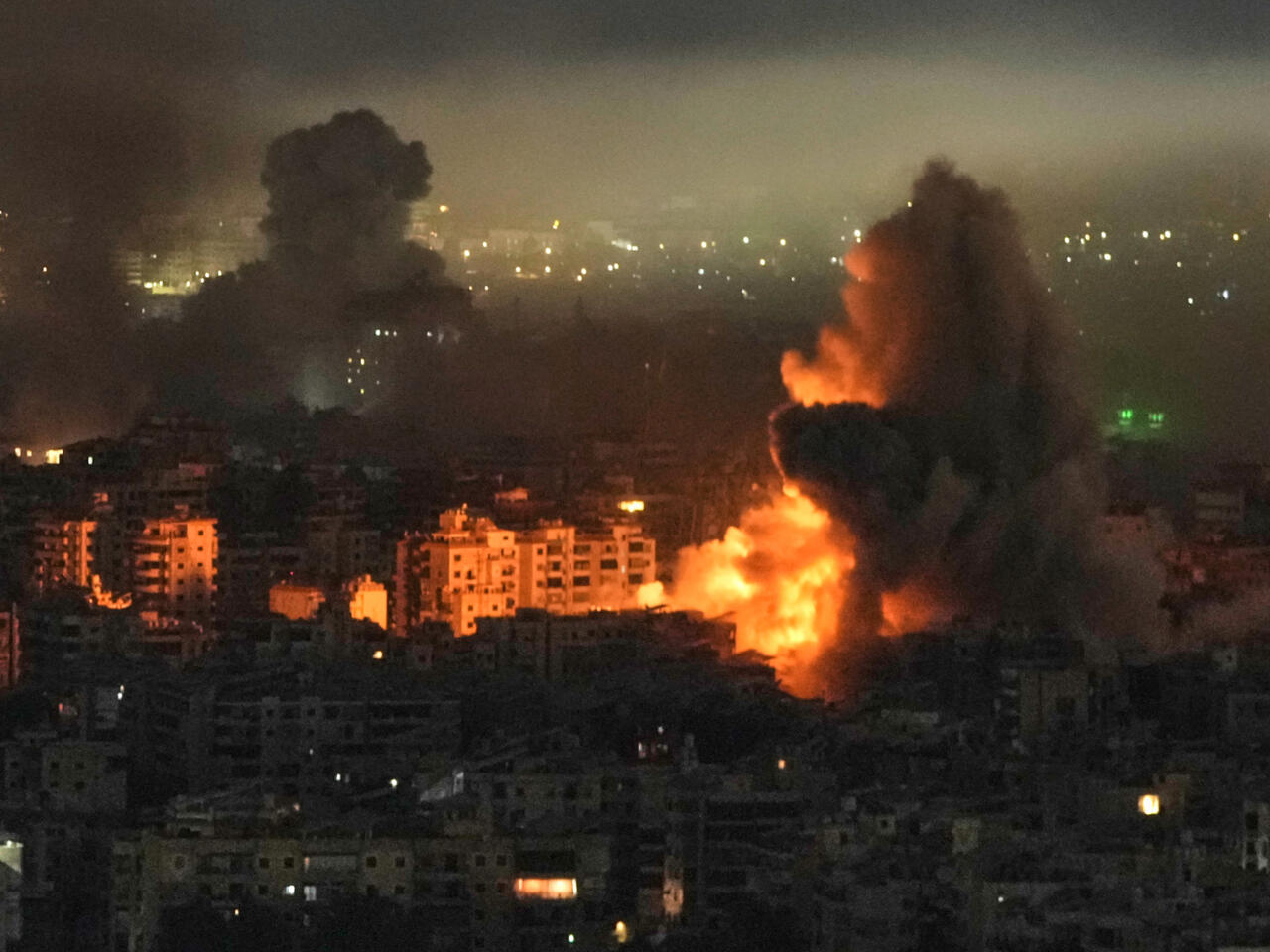
TEL AVIV, ISRAEL – March 15, 2026: According to Parliament Politics Magazine, Authorities are investigating what officials are calling a serious Israel security attack after explosions were reported near sensitive infrastructure in Tel Aviv late Tuesday night. Emergency sirens were heard across several districts as security forces rushed to the scene.
Police confirmed that the incident occurred near facilities connected to national security operations. Emergency responders arrived within minutes and quickly secured the surrounding streets while investigators began assessing the damage.
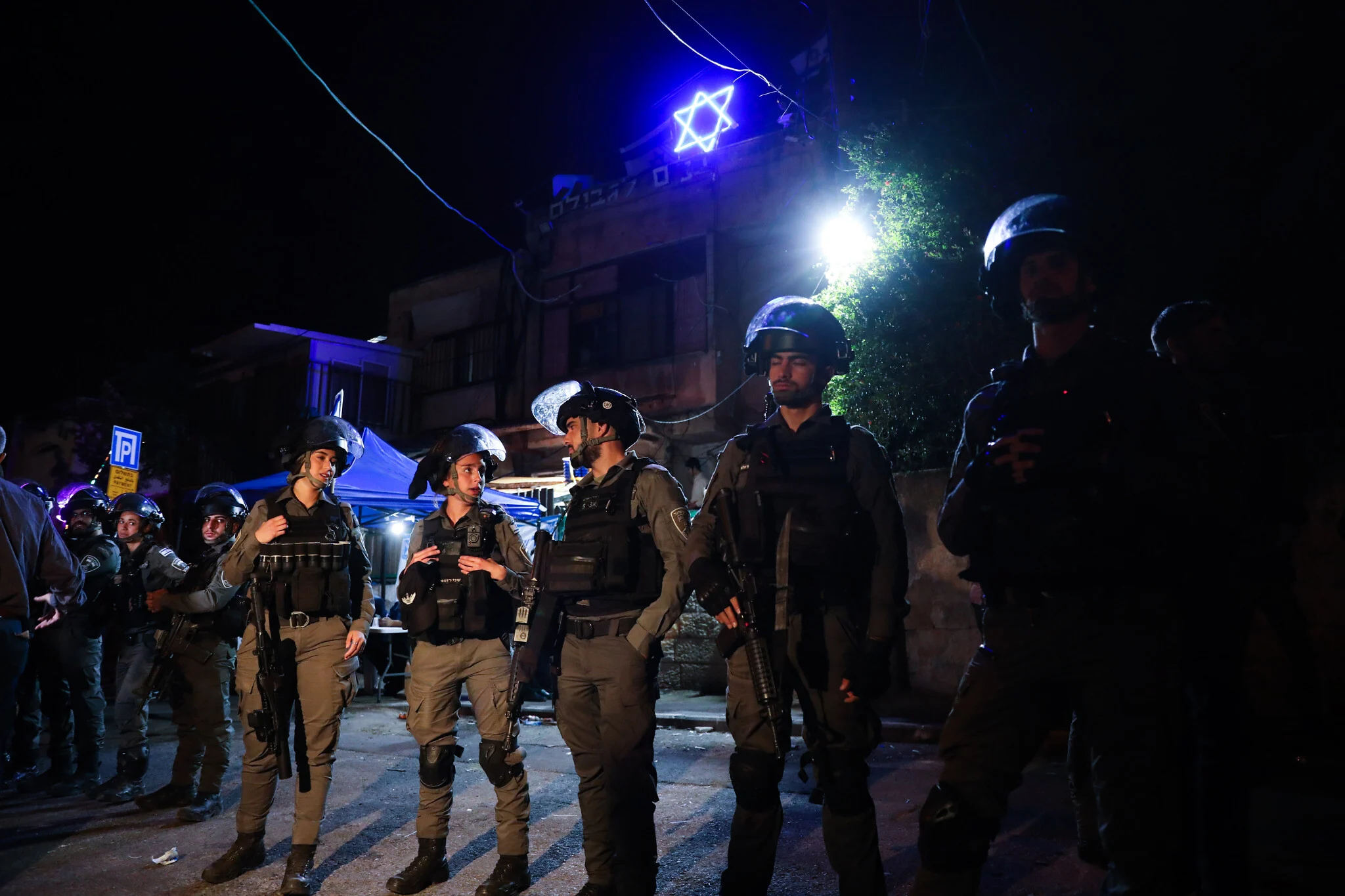
The Israel security attack immediately triggered heightened security measures across the city. Additional patrols were deployed near government buildings, communication centres, and other sensitive infrastructure.
Residents described hearing several loud blasts followed by the sound of emergency vehicles racing toward the affected area. While officials initially released limited information, authorities confirmed that the incident is being treated as a deliberate attack.
Authorities respond with heightened security measures
Following the Israel security attack, Israeli security agencies launched a coordinated investigation involving police, intelligence units, and national security officials.
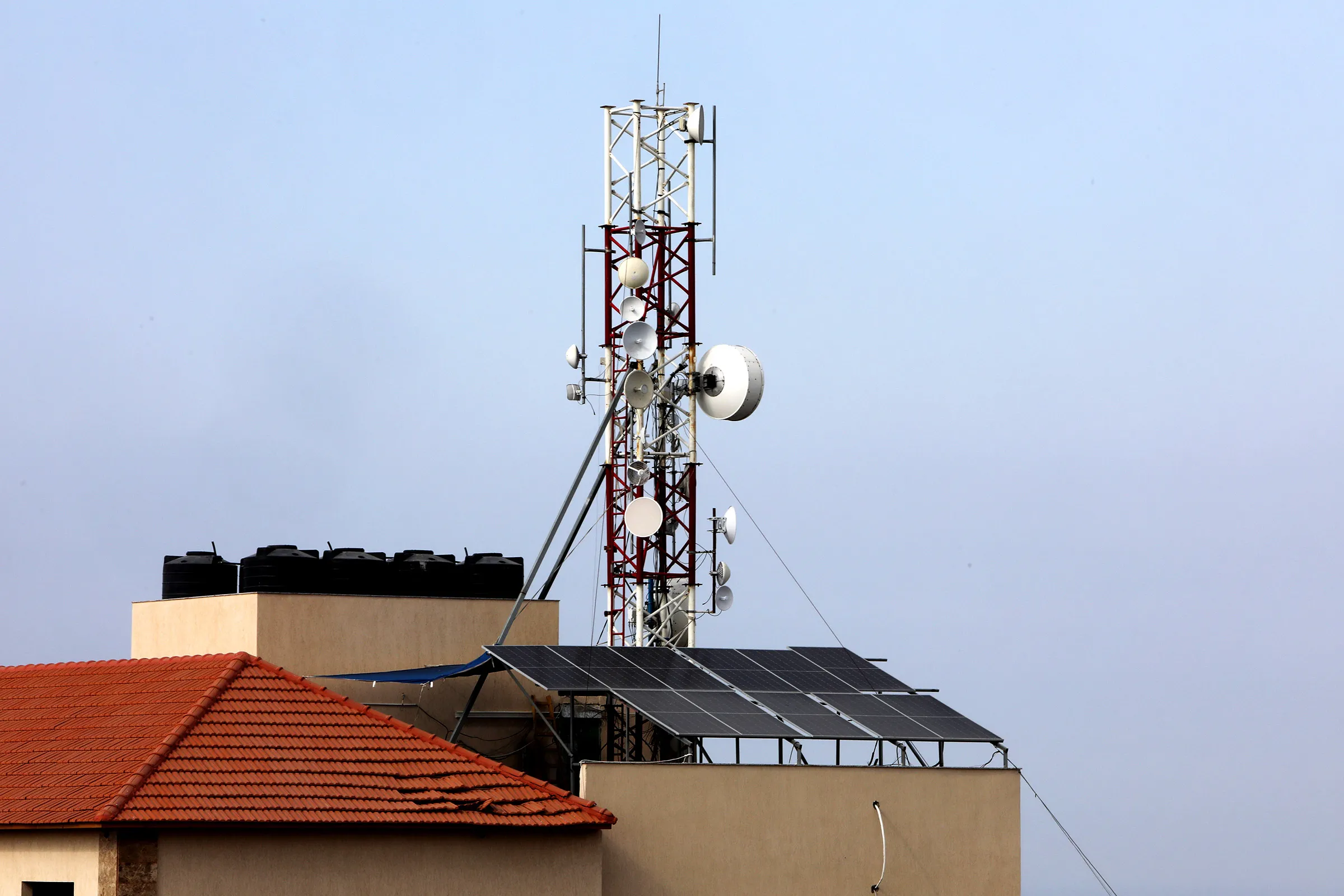
Officials stated that the targeted location appears to be connected to communications infrastructure used by security agencies. These facilities are essential for coordinating police operations, emergency responses, and intelligence activities.
The Israel security attack prompted authorities to activate contingency systems designed to maintain communications in the event of disruptions. Backup networks were quickly brought online to ensure that police and emergency units could continue operating without interruption.
Security checkpoints were also expanded across several major areas of Tel Aviv as authorities worked to determine the origin of the attack.
Strategic importance of the targeted infrastructure
Experts say the Israel security attack appears to have been directed toward infrastructure that plays a vital role in national security coordination.
Communication hubs allow security agencies to relay information between police units, intelligence services, and emergency responders. If disrupted, these systems could slow response times during emergencies.
Analysts suggest that the Israel security attack may have been intended to expose vulnerabilities in Israel’s internal security network rather than cause widespread destruction.
Modern security infrastructure relies heavily on interconnected communication systems, making these facilities particularly valuable targets for those seeking to disrupt national defense operations.
Regional tensions contribute to volatile environment
The Israel security attack occurred during a period of rising tensions across the Middle East. Several regional conflicts and geopolitical rivalries have increased concerns about potential escalation.
Political observers note that attacks on security infrastructure often carry broader symbolic significance because they challenge a nation’s ability to protect its internal systems.
The Israel security attack therefore has implications that extend beyond the immediate damage caused by the explosions.
Governments and international observers are closely watching developments as investigators work to determine the source of the incident.
Historical comparison with past incidents
The Israel security attack has drawn comparisons with earlier incidents in which critical infrastructure was targeted during periods of heightened regional tension.
Over the past two decades Israel has faced attacks on transportation networks, communication systems, and government facilities. These incidents often occurred during moments of intense geopolitical rivalry and were intended to create psychological pressure as well as operational disruption.
Security analysts note that similar attacks in the past have led to rapid changes in security policies and increased protection for sensitive infrastructure.
Although the scale of the current Israel security attack appears limited, its focus on communication facilities reflects a pattern seen in previous conflicts where adversaries attempt to challenge a nation’s internal coordination systems.
International reactions and diplomatic concern
News of the Israel security attack quickly spread across international media, prompting reactions from governments and security organizations around the world.
Diplomatic officials from several countries expressed concern about the potential for escalation if further incidents occur. The United Nations urged restraint and called for careful investigation before assigning responsibility.
Security analysts warned that attacks on infrastructure can increase tensions because they are often interpreted as strategic challenges to national defense systems.
One regional security expert summarized the global concern.
“Incidents targeting critical infrastructure can quickly shift the political and military balance because they test how resilient a nation’s security network really is.”
Civilian impact and emergency response
Although the Israel security attack primarily affected security infrastructure, nearby residential areas were also shaken by the explosions.
Emergency crews quickly inspected surrounding buildings to ensure that no structural damage posed a risk to residents. Medical teams remained on standby while authorities continued evaluating the situation.
Urban environments often place sensitive facilities close to civilian neighborhoods, increasing the potential risks during security incidents.
Authorities urged residents to remain calm and avoid the affected areas while investigations continued.
A security challenge that could reshape future defense planning
The Israel security attack highlights how modern conflicts increasingly involve infrastructure that supports communication and coordination systems.
Security experts believe the incident may lead to renewed efforts to strengthen protective measures around critical infrastructure across Israel.
Government officials are expected to review defense protocols, reinforce physical security around communications facilities, and expand cyber protection systems.
While the investigation into the Israel security attack continues, the event serves as a reminder that modern security challenges extend beyond traditional battlefields and into the infrastructure that supports national stability.