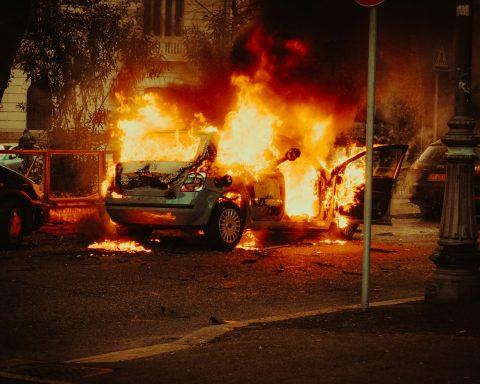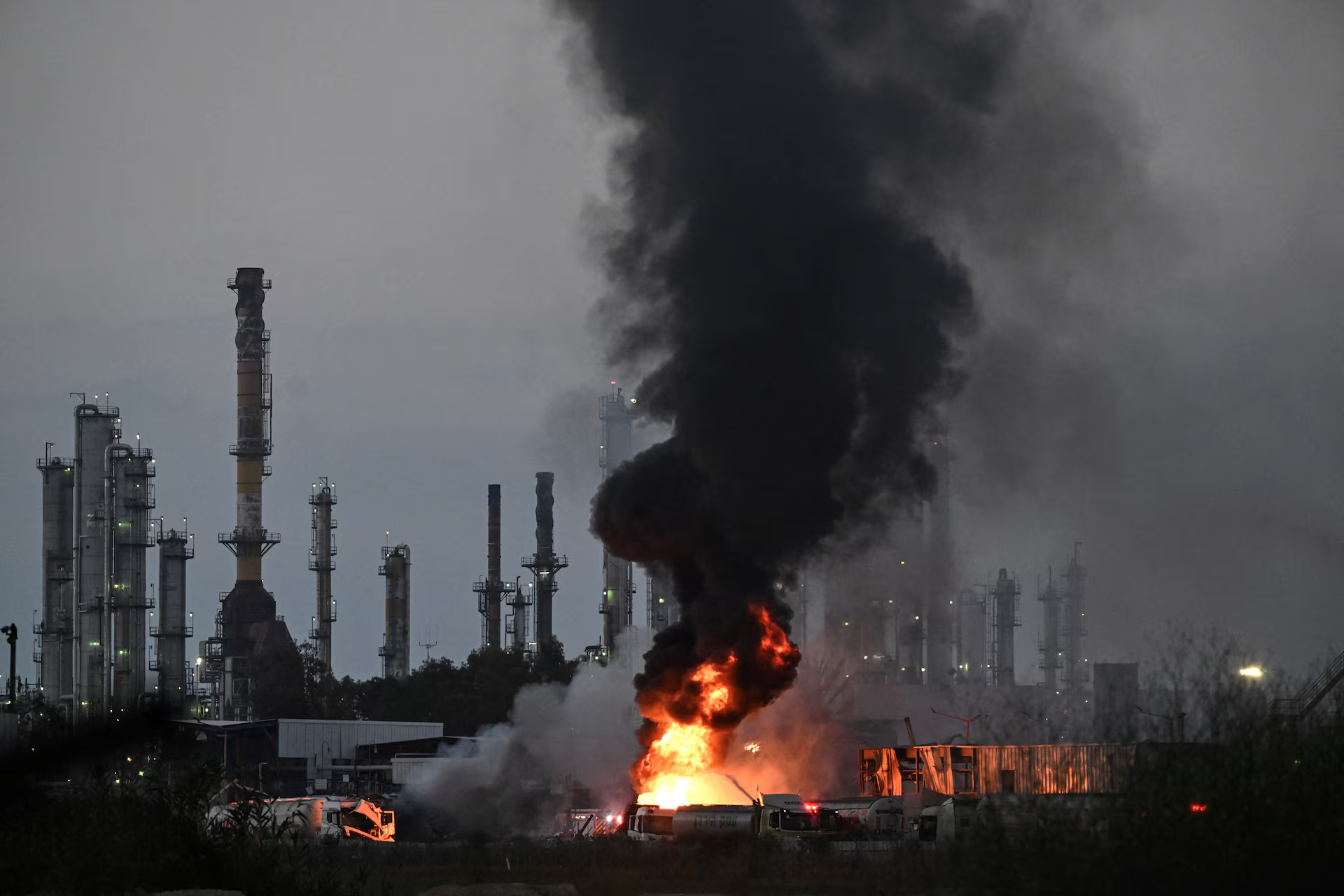
Tel Aviv, Israel, March 29, 2026 (Parliament Politics Magazine) Israeli industrial facility strike has rapidly become a defining moment in the escalating conflict between Israel and Iran, following reports that an Iranian missile struck a key chemical and industrial site. The incident comes amid growing geopolitical tension and coincides with the resignation of a senior counterterrorism official who opposed current US strategy in the region.
The Israeli industrial facility strike highlights a dangerous shift in modern conflict, where critical infrastructure is increasingly becoming a direct target.
Missile Strike Hits Key Industrial Target
The Israeli industrial facility strike reportedly occurred during overnight hours, when air defense systems were activated but unable to fully intercept the incoming missile. The impact caused significant structural damage and triggered emergency containment protocols due to the sensitive nature of the facility.
Officials confirmed that the site plays a vital role in Israel’s industrial operations, raising concerns about both immediate disruption and long-term economic impact.
A senior emergency official stated:
“This was not a random strike — it was a calculated attack on infrastructure with wide-reaching consequences.”
Resignation Signals Internal Policy Tensions
The Israeli industrial facility strike unfolded alongside the resignation of a top counterterrorism official, who reportedly stepped down in protest of the United States’ approach to the Iran conflict. Sources suggest the official warned that continued escalation could lead to broader regional instability.
This development is being viewed as a sign of internal disagreement within strategic leadership circles. Analysts believe such divisions could influence future policy decisions and military coordination efforts.
Iran-Israel Conflict Intensifies
The Israeli industrial facility strike reflects a significant escalation in tensions between Iran and Israel. While Iranian authorities have not officially confirmed involvement, prior warnings of retaliation have raised suspicions about responsibility.
Israeli officials have responded with strong language, signaling readiness to defend national security and respond if necessary. Military readiness levels have reportedly increased, with additional resources deployed to sensitive areas.
The situation remains fluid, with both sides closely monitoring developments.
Civilian and Environmental Concerns Grow
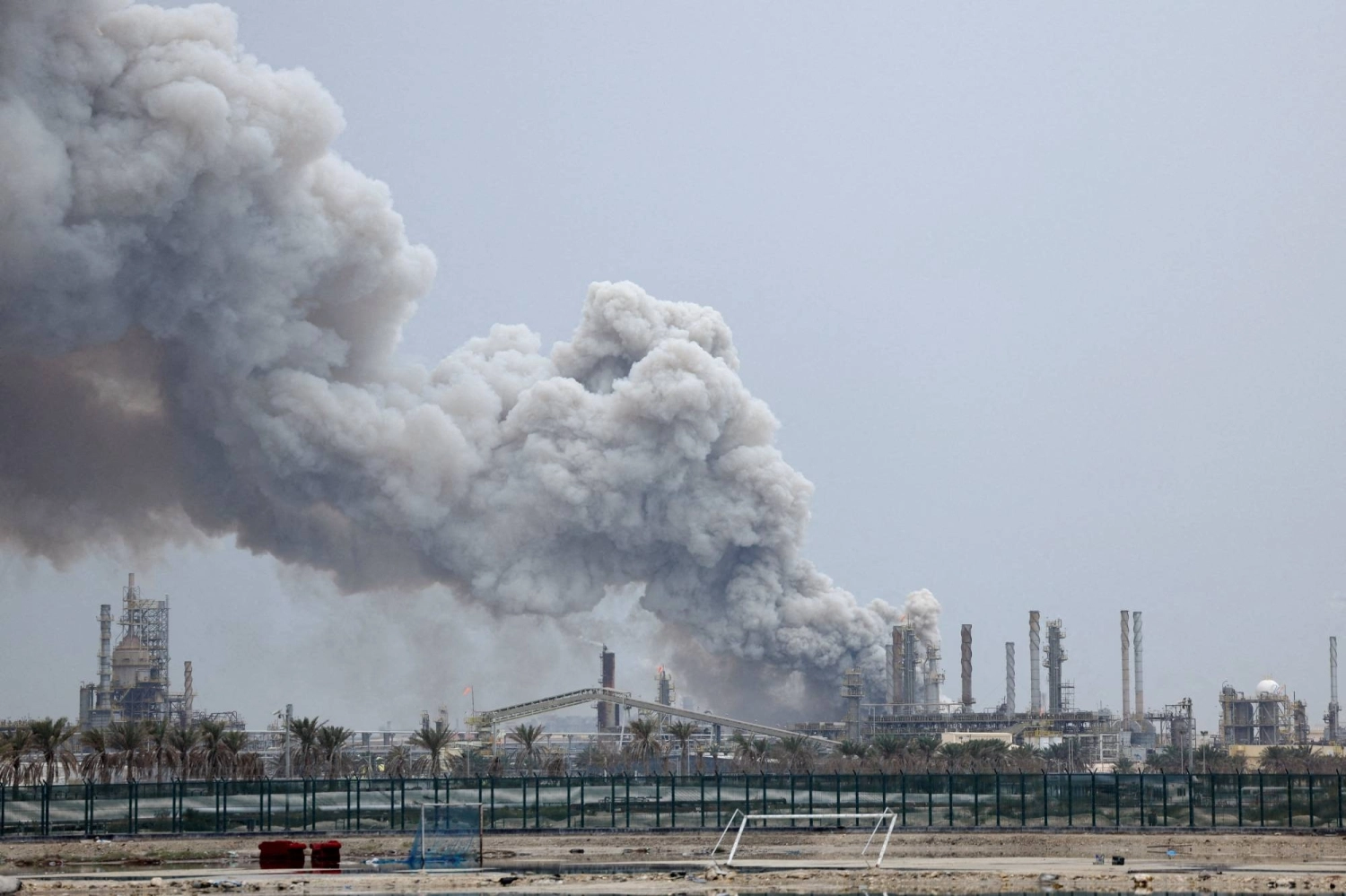
The Israeli industrial facility strike has raised serious concerns about civilian safety, particularly due to the chemical nature of the targeted facility. Emergency services initiated precautionary measures, including:
- Monitoring air quality
- Securing surrounding areas
- Deploying hazardous material response teams
Authorities have stated that containment efforts are ongoing and that no widespread environmental damage has been confirmed. However, the incident underscores the risks posed when industrial infrastructure becomes a target in conflict zones.
Global Reaction and Diplomatic Pressure
The Israeli industrial facility strike has prompted swift reactions from the international community. Governments and diplomatic organizations are urging restraint and calling for renewed dialogue to prevent further escalation.
A diplomatic source commented:
“Striking industrial infrastructure raises the stakes dramatically and increases the risk of a wider regional conflict.”
Despite these calls, the path toward de-escalation remains uncertain.
Economic and Strategic Implications
The Israeli industrial facility strike could have far-reaching economic consequences. Disruptions to industrial production may affect supply chains, increase costs, and contribute to broader market instability.
Experts warn that continued attacks on infrastructure could lead to:
- Increased insurance and operational risks
- Supply shortages in key industries
- Greater uncertainty in regional markets
The incident also signals a shift in conflict strategy, where economic and industrial targets play a more prominent role.
What Happens Next?
The Israeli industrial facility strike raises critical questions about the future of the conflict:
- Will Israel retaliate militarily?
- Can diplomatic efforts reduce tensions?
- How will global powers respond to prevent further escalation?
The answers to these questions will likely shape the next phase of the crisis.
Key Developments
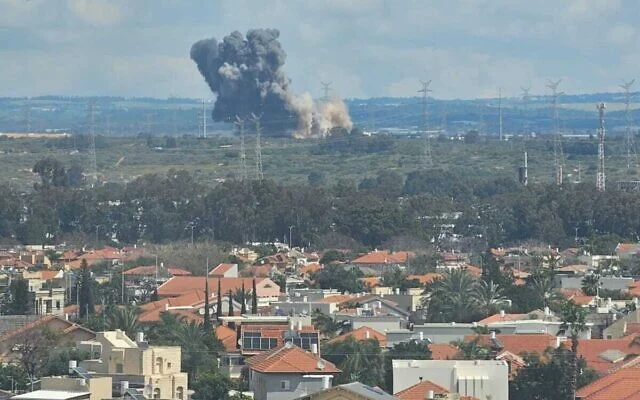
The Israeli industrial facility strike marks a turning point in Middle East tensions, highlighting the increasing vulnerability of critical infrastructure in modern warfare. The simultaneous resignation of a senior counterterrorism official underscores internal concerns about the direction of policy and the risks of continued escalation.
As the situation evolves, global attention remains focused on whether diplomatic solutions can prevail or whether the conflict will intensify further.