


Tokyo, Japan, May 2, 2026 (Parliament Politics Magazine) Japan energy security strategy is evolving rapidly in 2026 as the country navigates complex global energy dynamics and rising geopolitical uncertainty. With limited domestic resources, Japan remains heavily dependent on imported oil and gas, making strategic supply decisions critical to economic stability and national security.
Recent developments, including continued engagement with Russian energy projects, highlight the delicate balance Japan must maintain between geopolitical alignment and practical energy needs. Policymakers are under increasing pressure to secure stable supplies while also transitioning toward a more diversified and sustainable energy mix.
Oil Imports Remain Central to Energy Stability
Japan energy security strategy continues to rely on stable oil imports, which remain a cornerstone of the country’s energy framework. Despite efforts to diversify energy sources, fossil fuels still account for a significant portion of total consumption.
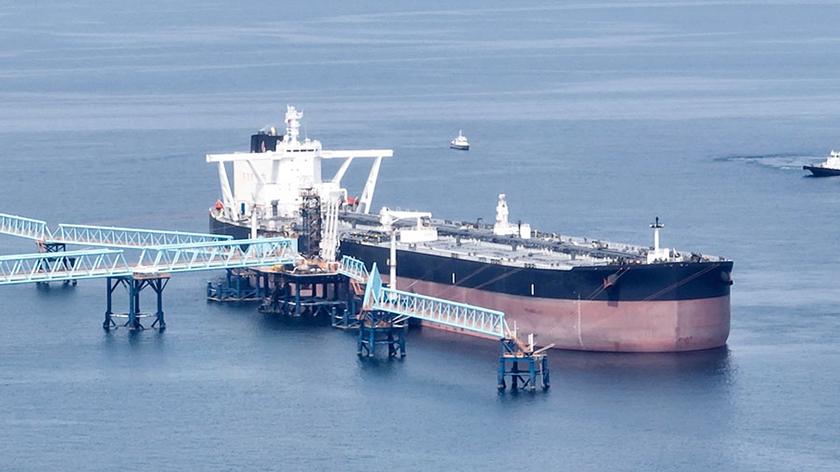
Imports from regions such as the Middle East and Russia play a vital role in maintaining consistent supply. The logistical advantage of closer sources, particularly projects in Russia’s Far East, provides Japan with relatively stable and cost-effective energy options.
An energy analyst noted,
“Japan’s reliance on imports makes supply stability the top priority. Every decision is shaped by the need to avoid disruption.”
Strategic Importance of Regional Energy Partnerships
Japan energy security strategy emphasizes maintaining strong relationships with key energy suppliers. Projects like Sakhalin-2 continue to provide essential resources, particularly in the form of crude oil and liquefied natural gas.
These partnerships offer several advantages:
- Geographic proximity reducing transportation risks
- Established infrastructure and supply agreements
- Predictable delivery timelines
- Lower logistical costs
Maintaining such relationships allows Japan to manage risks associated with more distant or volatile supply routes.
Balancing Geopolitics and Energy Needs
Japan energy security strategy operates within a complex geopolitical environment. While the country aligns with Western allies on many policy issues, it has maintained selective engagement with Russian energy projects to ensure supply continuity.
This approach reflects a pragmatic balance between political considerations and economic necessity. Energy security decisions often require flexibility, especially during periods of global uncertainty.
A policy expert explained,
“Energy strategy is not just about politics—it’s about ensuring that the lights stay on and the economy keeps moving.”
Supply Chain Risks and Global Market Influence
Japan energy security strategy is closely tied to global supply chains. Disruptions in one region can quickly impact availability and pricing across international markets.
Key risks include:
- Shipping disruptions in critical trade routes
- Price volatility due to geopolitical tensions
- Competition for limited supply during peak demand
- Currency fluctuations affecting import costs
These factors highlight the importance of maintaining diversified supply sources and strategic reserves.
Renewable Energy Expansion and Transition Goals
Japan energy security strategy also includes a long-term shift toward renewable energy. Investments in solar, wind, and hydrogen technologies are increasing as the country seeks to reduce dependence on fossil fuels.
However, the transition is gradual. Fossil fuels remain essential for meeting current demand, particularly in industrial sectors and electricity generation.
An industry leader stated,
“Renewables are the future, but the present still depends on reliable oil and gas supplies.”
History of Japan Energy Security Strategy
The history of Japan energy security strategy dates back to the oil crises of the 1970s, which exposed the country’s vulnerability to supply disruptions. Since then, Japan has focused on diversification, efficiency, and strategic reserves.
Over the decades, policies have evolved to include nuclear energy, renewable sources, and international partnerships. Each phase reflects the ongoing challenge of balancing security, cost, and sustainability.
Understanding this history provides important context for current decisions and future planning.
Economic Impact on Industry and Consumers
Japan energy security strategy has a direct impact on the economy. Energy costs influence everything from manufacturing to household expenses, making stability essential for growth.
Potential economic effects include:
- Increased production costs for industries
- Higher energy bills for consumers
- Pressure on inflation rates
- Shifts in investment priorities
Maintaining stable energy supplies is therefore critical for both economic performance and public confidence.
Market Response and Investor Outlook
Global markets are closely monitoring Japan energy security strategy as energy decisions influence regional and international trends. Investors are particularly focused on supply stability and price movements.
Energy-related stocks, currency markets, and industrial sectors all respond to changes in policy and supply conditions. Clear strategy and consistent execution are key to maintaining investor confidence.
Future Outlook and Strategic Direction
Looking ahead, Japan energy security strategy will likely continue to evolve in response to global developments. Key priorities include:
- Strengthening supply diversification
- Expanding renewable energy capacity
- Enhancing energy efficiency
- Maintaining strategic reserves
These efforts aim to create a more resilient and sustainable energy system.
Expert Insight
Experts agree that Japan energy security strategy reflects broader global trends in energy policy. Countries are increasingly prioritizing stability and resilience in the face of uncertainty.
A global energy analyst noted,
“Energy security is no longer optional—it is a fundamental requirement for economic stability.”
What Japan Energy Security Strategy Means for 2026
Japan energy security strategy remains a critical focus in 2026 as the country navigates global uncertainty and supply challenges. By balancing geopolitical realities with practical needs, Japan continues to secure essential resources while preparing for a more sustainable future. The decisions made today will shape energy stability and economic growth for years to come.