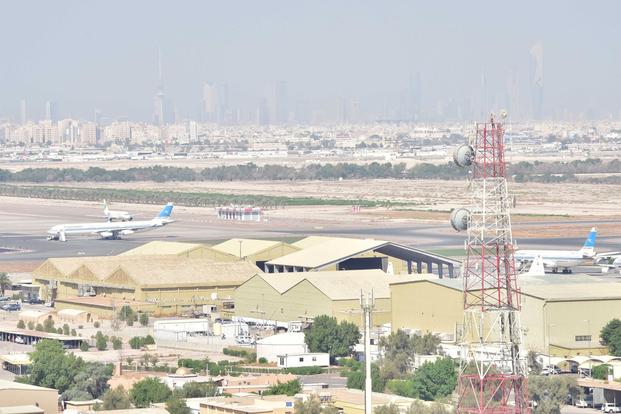
KUWAIT CITY, Kuwait — March 15, 2026 — Parliament Politics Magazine — The Kuwait airbase attack has intensified security concerns across the Middle East after a drone strike targeted a military installation used by coalition forces in Kuwait. Authorities confirmed that the incident occurred during early morning hours when air defense systems detected an unidentified drone approaching the facility.
Officials say the drone was intercepted before it could cause significant damage, but the Kuwait airbase attack has prompted heightened military alerts across the region. Defense experts believe the attempted strike signals an escalation in the use of drone technology against strategic military facilities.
The attack has triggered investigations involving Kuwaiti defense officials and international partners who operate from the base.
Drone Strike Targets Strategic Military Base
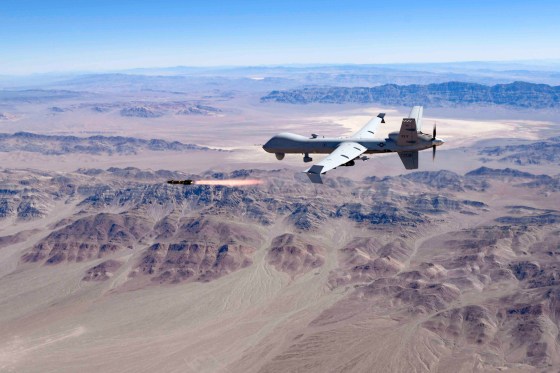
Security officials say the drone involved in the Kuwait airbase attack approached the installation at low altitude, making it difficult for traditional radar systems to detect immediately. Once the threat was identified, air defense units responded quickly and neutralized the aircraft before it reached critical infrastructure.
The targeted base serves as a logistics and operational hub for international military forces operating in the Gulf region. Because of its strategic importance, the installation is protected by multiple layers of defense systems.
Authorities have not yet confirmed the origin of the drone used in the Kuwait airbase attack, but intelligence analysts are examining debris and flight data to determine where it was launched.
Regional Security Concerns Intensify
The Kuwait airbase attack comes at a time of growing tensions across the Middle East. Several regional conflicts have increased the risk of cross-border military incidents, particularly involving drones and missile technology.
Security analysts warn that military installations hosting foreign forces are increasingly viewed as symbolic targets by militant groups seeking to challenge Western influence in the region.
While Kuwait has historically maintained a balanced diplomatic position in regional politics, its role as a host for coalition forces places it at the center of broader security dynamics.
Defense Systems Activated After Alert
Following the Kuwait airbase attack, security protocols were immediately implemented at several military facilities across Kuwait. Defense authorities increased aerial monitoring and expanded patrols around strategic infrastructure.
Military officials confirmed that the base remained fully operational after the incident and that no casualties were reported.
Experts say the rapid response demonstrates how modern defense systems are evolving to counter the growing threat of unmanned aerial vehicles.
However, the Kuwait airbase attack also highlights how small drones can still challenge even sophisticated air defense networks.
Historical Comparison With Earlier Gulf Threats
The Kuwait airbase attack has drawn comparisons with earlier periods of regional instability in the Gulf. During the 1990s following the Gulf War, military bases across the region faced threats from militant groups opposed to foreign military presence.
Those incidents typically involved conventional weapons or sabotage rather than advanced drone technology. The shift toward unmanned aircraft marks a major change in how modern conflicts unfold.
Unlike earlier attacks that required close proximity to targets, drones allow operators to launch strikes from hundreds of kilometers away. This evolution in warfare has forced defense planners to rethink traditional base protection strategies.
Quote From Regional Security Analyst
A regional security analyst commenting on the incident said:
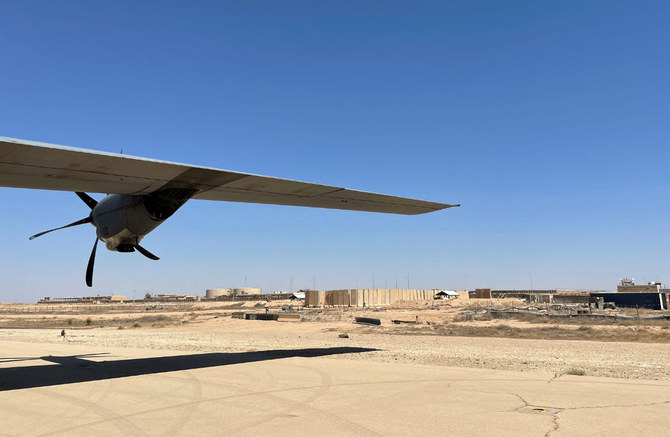
“Drone technology has transformed modern warfare. Even heavily protected bases must adapt quickly because small unmanned aircraft can bypass defenses that were originally designed for larger threats.”
The statement reflects growing concern among defense officials that drone attacks could become more frequent in the coming years.
Investigation Into Attack Origins
Authorities are currently examining radar records, electronic signals, and debris recovered after the Kuwait airbase attack. Defense officials say determining the origin of the drone may take time because such aircraft can be launched remotely and programmed to travel long distances.
Satellite monitoring and intelligence cooperation with allied nations are expected to play a critical role in identifying who may have been responsible.
The Kuwait airbase attack has already prompted discussions among defense leaders about expanding counter-drone technology and improving regional security coordination.
Strategic Importance of Kuwait’s Military Facilities
Kuwait hosts several military installations used by international forces supporting operations across the Middle East. These facilities play an essential role in logistics, intelligence coordination, and regional defense planning.
Because of this strategic significance, the Kuwait airbase attack has raised concerns among security analysts who fear that future attempts could target similar facilities elsewhere in the region.
Military experts say protecting overseas bases will require new technologies capable of detecting small aerial threats long before they reach sensitive areas.
Why the Kuwait Airbase Attack Matters
The Kuwait airbase attack represents more than an isolated incident. It highlights how emerging technologies are reshaping modern conflict and how even relatively small attacks can create geopolitical tension.
Drone warfare is becoming increasingly common in global security challenges because of its relatively low cost and high operational flexibility.
As nations around the world adapt to this evolving threat, incidents like the Kuwait airbase attack may become key moments shaping future military strategy.
What the Kuwait Airbase Attack Signals for the Region
The Kuwait airbase attack underscores the growing complexity of security challenges facing the Middle East. Even countries not directly involved in active conflicts can become targets due to their strategic alliances or military partnerships.
While the attack did not cause major damage, it demonstrates how modern warfare increasingly relies on technology capable of reaching distant targets with minimal warning.
In summary, the Kuwait airbase attack has heightened regional security awareness, triggered international investigations, and reminded defense leaders that protecting critical infrastructure now requires constant adaptation to evolving threats.