
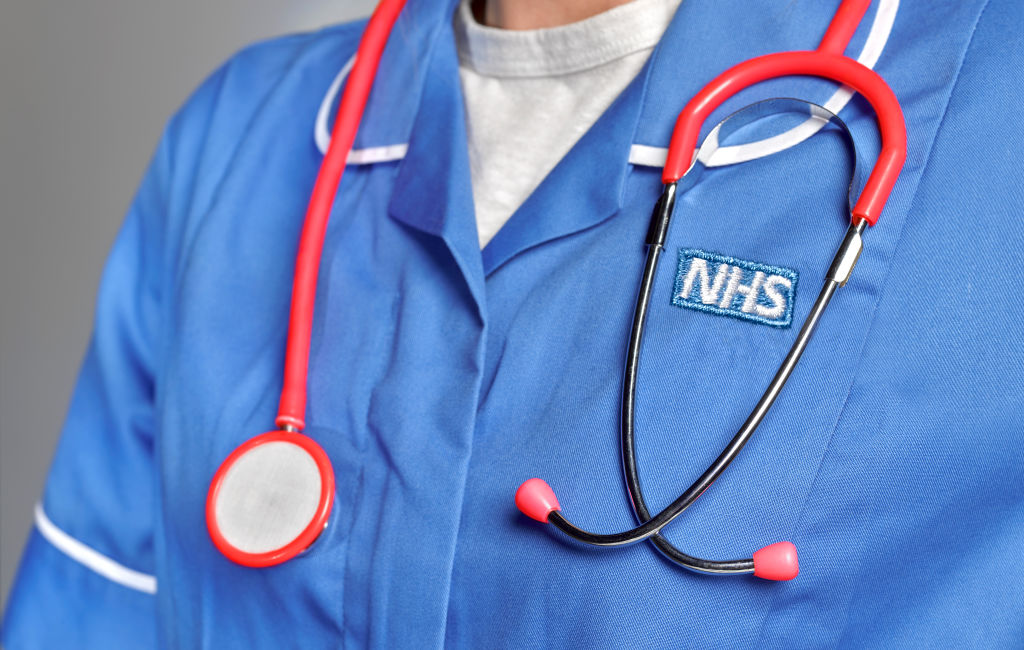
Government ministers have admitted that the NHS is performing fewer procedures today, than before the Covid-19 pandemic, as waiting lists continue to grow.
The number of procedures performed in the health service today is lower than five years ago, with 1.8 million fewer procedures performed last year than in 2019/20.
Labour’s say their plan to cut waiting lists will see staff paid extra to run clinics on evenings and weekends. By getting the NHS working around the clock, the plan will see an extra two million appointments for patients to bring down waiting lists.
The Party also claim the plan, which will cost £1.1 billion, will be paid for by abolishing the non-dom tax status.
According to Labour, last week, hospitals were told to cut the number of operations and appointments by a further 700,000, and focus instead on making sure ambulances and A&E don’t collapse this winter.
The directive from NHS England makes it even less likely that Rishi Sunak’s pledge to cut NHS waiting lists will be met. Embarrassingly for the PM, waiting lists stand at a record 7.8 million, 600,000 longer than when he made his pledge in January.
The Government has repeatedly said that the continuing NHS strikes have massively impacted on their plans and led to this increase, with even fewer patients treated this year because of the strikes. The number of admitted patient procedures done in August, 815,000, was the lowest since April 2011, other than during lockdown.
Wes Streeting MP, Labour’s Shadow Health and Social Care Secretary, said: “The crisis in the NHS will continue and millions of patients will be left waiting too long unless something changes. We have got to get the NHS working around the clock if we’re going to beat the Tory backlog.
“The Government waved the white flag on Rishi Sunak’s pledge to cut waiting lists last week. The Tories have failed. It will take a Labour government to get the NHS back on its feet.
“Labour’s plan to cut waiting lists will deliver two million more appointments a year by paying staff extra to work evenings and weekends. We will pay for it by abolishing the non-dom tax status, because patients need treatment more than the wealthiest need a tax break.”
Labour pledges two million more NHS appointments a year, as new figures reveal fewer procedures are being done than before the pandemic, by staff reporter

3 mins read
Latest from UK Parliament
The reintroduction of the Terminally Ill Adults (End of Life) Bill has sparked a profound and
In the year 2000, just over 2% of young people (14-24) across the UK presented to

When people think about higher education, they often picture leafy campuses, freshers’ weeks and teenagers heading

18 years ago, I was diagnosed with breast cancer. My diagnosis was delayed after I was

A landmark study, part of a PHD, exposes a “systemic underestimation” of the importance of marriage