

Lambeth (Parliament Politics Magazine) – Lambeth Council’s proposal for a new tourist tax gains overwhelming public support, raising prospects for a policy shift aimed at boosting local revenue and services.
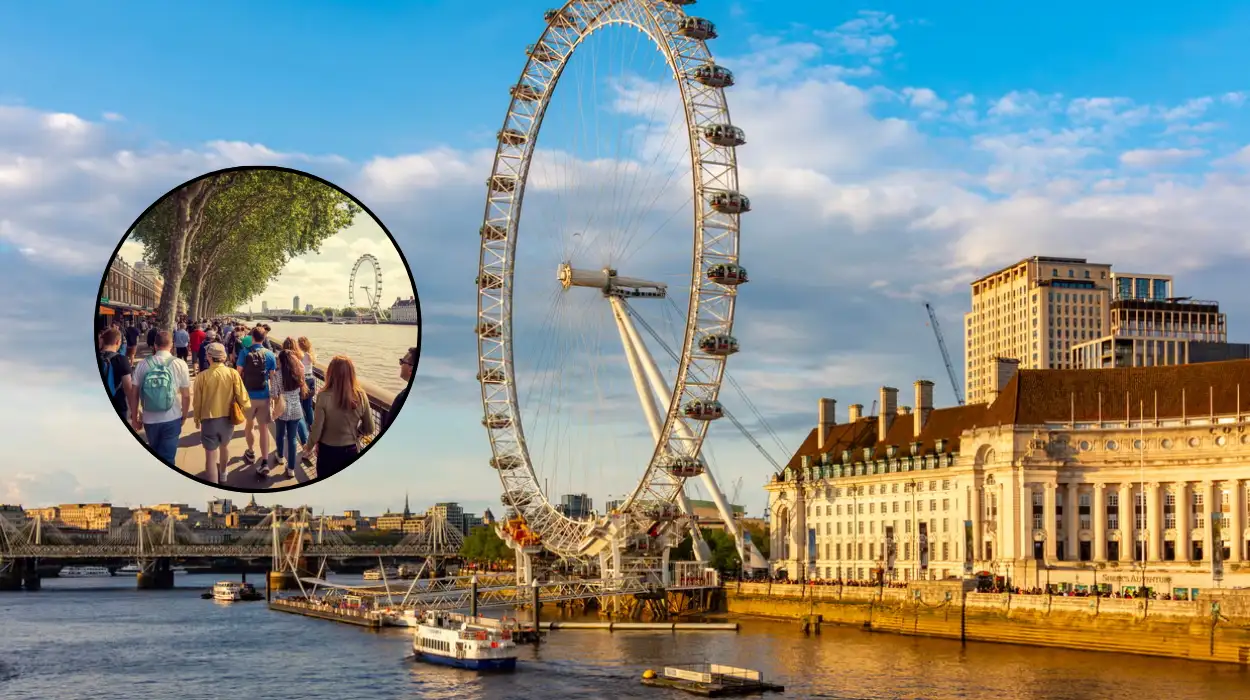
The London Eye, one of London’s most well- known lodestones , is located in Lambeth Council and draws thousands of callers each time.
Following an inviting vote in favor of the idea at a full council meeting on October 15, Lambeth Council has taken a step closer to enforcing a new” late caller tax.”
With 41 votes in favor, none against, and three abstentions, the Labour- backed stir which aims to insure that callers contribute more directly to the city’s services and public spaces passed without any variations.
The city is home to iconic milestones like the London Eye, the National Theatre, the Oval Cricket Ground, and Brixton’s O2 Academe. The South Bank alone receives over three million people every month.
Councillors say it’s getting harder to ignore the strain on original services as London is predicted to host further than half of the UK’s 43 million foreign excursionists in 2025.
Although tourism contributes to London’s£ 27 billion sightseer frugality and supports 700,000 jobs throughout the capital, the stir contended that Lambeth residents bore the mass of the expenditures associated with adding bottom business.
enterprises about scrap operation, environmental enforcement, and public space conservation were among the most important motifs bandied during the discussion.
A minor figure, according to Labour councillor Ibrahim Dogus, would enable guests” to make a small donation to the city and communities that host them.”
Nicole Griffiths, a Green council member, stated that her party would support a tourist tax in theory, even though their proposed changes were rejected.
Matthew Curtis, a Liberal Democrat councillor, was in favor of the idea as well, but he stated that his group preferred more robust pledges to collaborate directly with lodging providers in order to investigate the creation of a district specifically for accommodation business improvement.
Labour councillor David Cameron said the tax could give “substantial benefits” to people and companies alike.
Still, finances could be invested in road cleaning, community safety, If the duty were to be levied.
Lambeth’s officers contend that the redundant profit may boost the city’s night frugality and safeguard essential services after further than ten times of dropped original government spending.
Lambeth Council will prompt ministers to grant the Mayor of London and city councils the legal authority to apply the duty by reaching the Chancellor and the Secretary of State for Levelling Up, Housing, and Communities after the meeting.
Also, Lambeth Labour started a public solicitation to promote what it refers to as the” Love Lambeth Levy,” asking locals to contribute to adding support for a London-wide action.
The petition reads:
“Lambeth is already a world-class destination.“
“A tourist tax will help us keep it clean, safe and welcoming – and ensure our communities benefit from the success of our visitor economy.”
How have local businesses and residents responded so far?
Numerous residents and community groups support the duty, seeing it as an important- required way to raise finances to address the strain tourism places on structure, public spaces, and services. Sympathizers emphasize that the profit could ameliorate cleanliness, safety, and amenities, eventually serving both callers and locals.
Some independent shops, requests, and small businesses worry the duty could discourage callers, especially during an economically grueling period when every caller counts. They sweat it could make Lambeth less competitive compared to other London megalopolises without such a duty.
Concerns have been raised about the implicit impact on affordable accommodation within the city, as the tax might encourage property possessors to favor advanced- paying excursionists over long- term renters, potentially worsening casing affordability.
