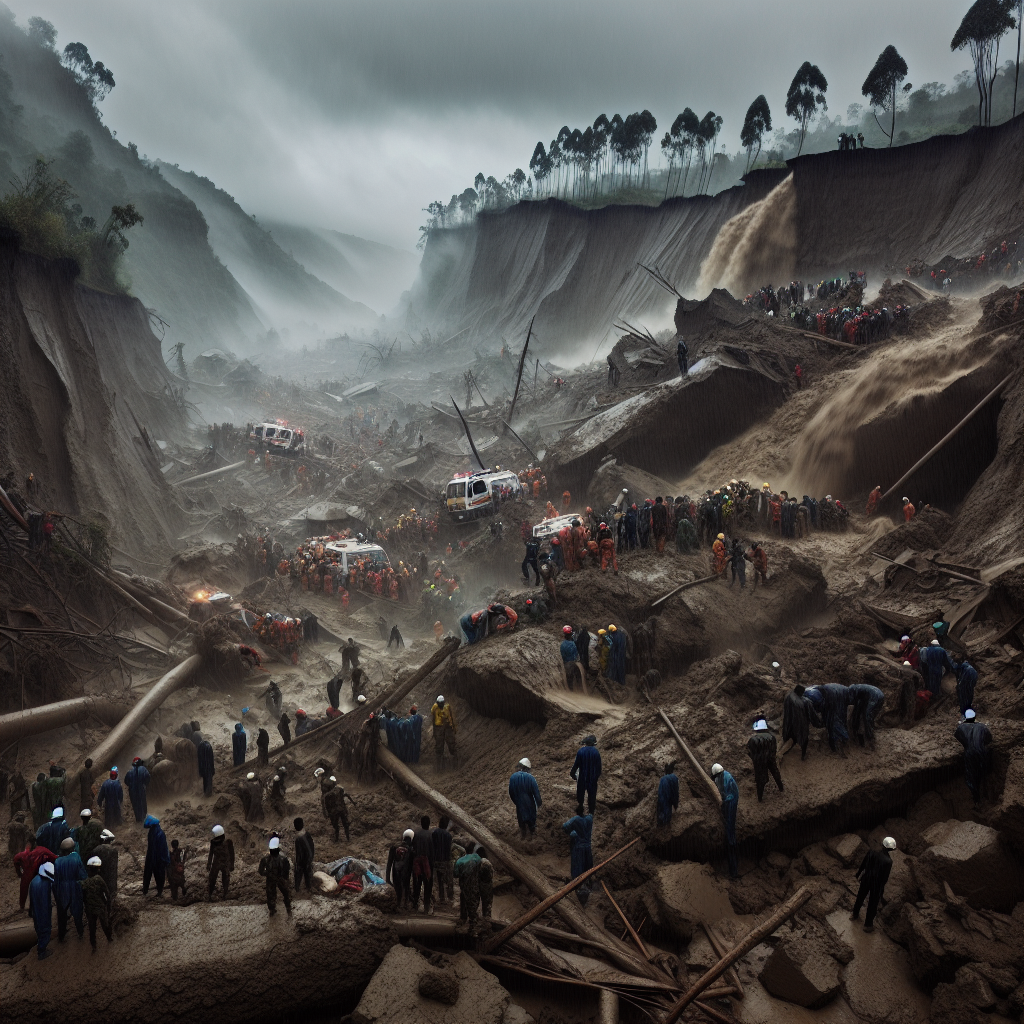
Tragic Landslides in Ethiopia Claim Over 50 Lives
At least 50 people have lost their lives in a series of devastating landslides that struck various regions across Ethiopia late last week. The incidents, primarily triggered by heavy rains, occurred in the western and southern parts of the country, leaving dozens more missing and raising urgent concerns over disaster preparedness in the face of increasingly severe weather events.
The landslides began on Friday evening, impacting rural communities that were already vulnerable due to existing environmental conditions. Witnesses reported that torrents of mud and rock cascaded down hillsides, overwhelming homes, roads, and infrastructure in the affected areas. The Ethiopian government has mobilized rescue teams, including military personnel, to reach the hardest-hit regions and assist in recovery efforts.
Rescue Operations Underway
As of Monday, search-and-rescue operations are in full swing, with teams sifting through debris in hopes of finding survivors. Locals have also joined in the effort, digging through mud and wreckage, while authorities have urged communities to stay away from unstable areas following further warnings of potential landslides. The National Disaster Risk Management Commission is coordinating the response, emphasizing the urgent need for assistance, including food, medical supplies, and shelter for those displaced.
Weather Patterns Contributing to Disasters
Experts attribute the recent landslides to erratic weather patterns, which have become more pronounced in Ethiopia. Such climatic shifts increase the likelihood of heavy rainfall, leading to soil saturation and erosion, especially in hilly terrains. The Ethiopian Meteorological Institute has forecasted more rains in the coming weeks, raising concerns that further landslides could occur, endangering more lives and property.
Historical Context
Ethiopia is no stranger to landslides and related disasters. In 2020, a similar event resulted in multiple fatalities when heavy rains affected the same regions. Despite this, many remote areas remain ill-equipped to handle such natural occurrences. Local communities often struggle with inadequate infrastructure and lack of early warning systems that could mitigate the impact of these disasters.
Government officials stress the importance of improving disaster preparedness and response mechanisms. They are calling for international support and funding to bolster infrastructure, including better drainage systems, which could help alleviate the impact of heavy rains in the future. Experts urge that investing in sustainable agricultural practices and reforestation could further mitigate the risk of landslides in these vulnerable areas.
Eyewitness Accounts
Survivors of the landslides have shared harrowing stories of loss and survival. One resident recounted how the ground beneath her home abruptly gave way, leaving her and her family scrambling to escape. “We didn’t have time to think,” she said, visibly shaken. “It was like a nightmare. We lost friends, neighbors; it was chaos.” Residents are still mourning their loved ones as they sift through the rubble, searching for any signs of life.
Another witness described the scenes of despair following the landslides. “There were screams and cries for help; it was heart-wrenching,” he said. “We are all deeply affected by this tragedy.” The emotional toll of the disaster is evident, as entire families and communities grapple with loss and uncertainty.
Government Response and International Aid
Ethiopian Prime Minister Abiy Ahmed has expressed his condolences to the families affected and pledged that the government will take immediate action to provide necessary support. “We will not abandon our people in times of crisis. Our hearts are with the families who have lost their loved ones,” he stated during a televised address.
International organizations, including the Red Cross, have also stepped in to assist with relief operations, deploying teams to provide medical aid and psychological support to those traumatized by the events. They have urged the global community to contribute to relief efforts, emphasizing that the scale of the disaster requires significant resources and coordinated response efforts.
Calls for Action on Climate Change
As discussions about the future intensify, activists and environmental experts are linking Ethiopia’s tragedy to broader climate change concerns. Advocacy groups are calling for urgent action on climate resilience and sustainable development, arguing that the current trajectory could lead to more devastating disasters. “If we do not address the underlying issues of climate change, we can expect more of these tragedies in the future,” one activist cautioned.
Community Resilience and Recovery
Despite the overwhelming devastation, there are signs of community resilience. Local leaders are organizing to support families affected by the landslides, establishing temporary shelters and collecting food supplies. Community members are rallying together to rebuild what was lost, emphasizing the strength found in unity during such trying times.
Conclusion
The tragic landslides that claimed over 50 lives in Ethiopia serve as a stark reminder of the increasing vulnerability communities face from natural disasters exacerbated by climate change. As rescue operations continue and the search for the missing persists, the need for comprehensive disaster risk management and sustainable development strategies becomes increasingly urgent. The Ethiopian government, alongside international partners, must take swift action to support affected communities and address the root causes of these catastrophic events.
As recovery efforts unfold, the resilience of the Ethiopian people shines through, underscoring the importance of solidarity in the face of adversity.