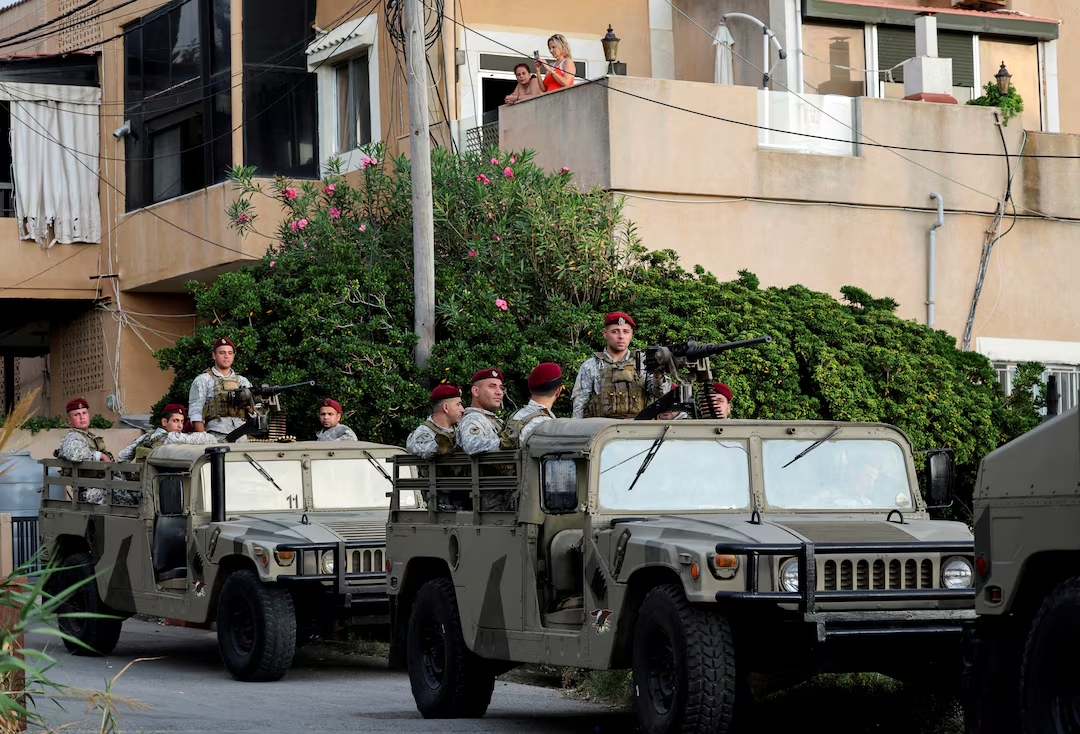
Beirut, Lebanon, March 30, 2026 (Parliament Politics Magazine) Lebanon security crisis is rapidly becoming a central concern in the Middle East as the Lebanese president delivers a strong warning against any forces attempting to destabilize the country. The statement comes during a period of escalating regional tensions involving Iran, Gulf nations, and ongoing geopolitical uncertainty.
The president’s message was clear and direct, emphasizing that Lebanon will take decisive action against any threat to its peace and sovereignty.
“Any hand that disrupts peace will be cut off,”
the president declared, signaling a zero-tolerance approach toward instability.
Strong Leadership Response to Growing Instability
The Lebanon security crisis has prompted a firm response from government officials, who are increasingly concerned about the spillover effects of conflicts across the region. Lebanon’s leadership is working to project strength and reassure both citizens and international partners.
Authorities have stressed that maintaining stability is essential, particularly as external pressures continue to mount. The country’s strategic position makes it vulnerable to regional power struggles, further intensifying concerns.
Middle East Dynamics Fuel the Lebanon Security Crisis
The ongoing Lebanon security crisis cannot be viewed in isolation. It is closely tied to broader Middle East developments, including tensions between Iran and the United States, as well as conflicts involving Gulf countries.
Lebanon has historically been influenced by regional rivalries, often finding itself caught between competing interests. Recent incidents involving Iran-aligned groups have added to fears that the situation could escalate further.
Analysts warn that without careful management, the crisis could deepen, potentially drawing Lebanon into wider conflicts.
Government Prioritizes Sovereignty and National Stability
In addressing the Lebanon security crisis, officials have emphasized the importance of protecting national sovereignty. The government has made it clear that it will not allow Lebanon to become a staging ground for external conflicts.
The president’s statement reflects a broader strategy aimed at deterring both internal and external threats. Authorities are focusing on strengthening institutions and reinforcing security measures across the country.
“Lebanon will defend its stability and will not tolerate any disruption,”
a senior official stated.
Public Sentiment Reflects Concern and Caution
The Lebanon security crisis has sparked widespread concern among citizens, many of whom fear the potential consequences of escalating tensions. While there is support for a strong government stance, uncertainty remains about the country’s ability to manage the situation effectively.
Economic challenges and political divisions continue to complicate the response. Lebanon’s fragile economy is particularly vulnerable to instability, making the stakes even higher.
Despite these challenges, there is a strong desire among the population to avoid conflict and preserve peace.
International Attention Focuses on Lebanon
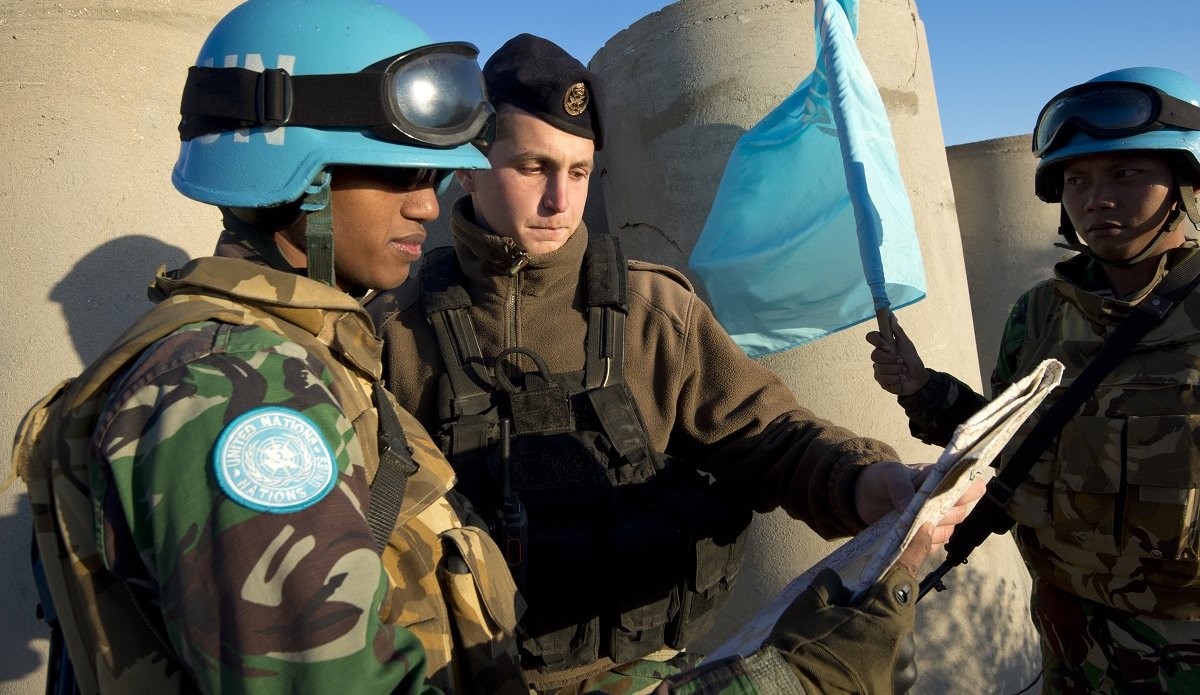
The Lebanon security crisis is drawing significant attention from the international community. Global powers are closely monitoring developments, urging restraint and encouraging diplomatic solutions.
Diplomatic efforts are ongoing, with several countries seeking to prevent further escalation. Lebanon’s warning is being interpreted as both a defensive measure and a signal of growing pressure within the country.
Observers note that the situation remains fluid, with the potential for rapid changes in the coming weeks.
Security Forces Increase Preparedness
As the Lebanon security crisis intensifies, security forces across the country have heightened their alert levels. Military and intelligence agencies are working to prevent any incidents that could further destabilize the situation.
Authorities are focusing on proactive measures, including increased surveillance and coordination with international partners. The goal is to ensure that Lebanon remains secure despite the challenging environment.
The government’s actions indicate that it is prepared to back its warnings with concrete steps.
Economic Risks Linked to Security Concerns
The Lebanon security crisis also poses significant risks to the country’s economy. Ongoing instability could deter investment, disrupt trade, and impact key sectors such as tourism and infrastructure.
Economic analysts warn that prolonged uncertainty could deepen existing financial challenges. Lebanon is already facing economic pressures, and any escalation in security concerns could worsen the situation.
Balancing economic stability with security priorities will be a critical challenge for policymakers.
Navigating a Complex Regional Landscape
Lebanon’s position in the Middle East places it at the center of complex geopolitical dynamics. The Lebanon security crisis reflects the broader challenges facing the region, where multiple conflicts and rivalries intersect.
The country’s leadership is attempting to navigate these challenges carefully, seeking to maintain neutrality while protecting national interests.
Experts suggest that diplomacy and strategic decision-making will play a key role in determining the outcome of the current situation.
Lebanon Sends Firm Message Amid Crisis
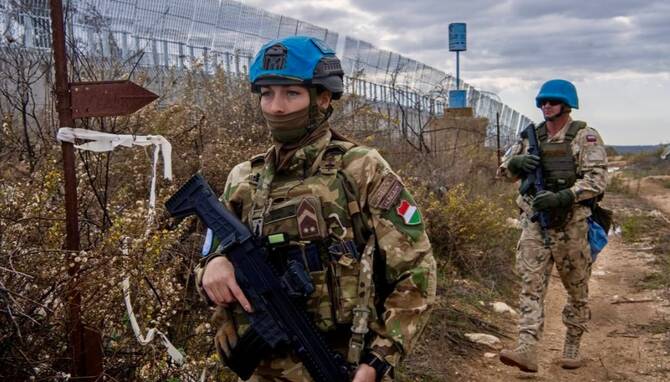
The Lebanon security crisis highlights the growing challenges facing the country as regional tensions continue to rise. The president’s warning underscores a commitment to protecting peace and stability, even as risks increase.
While the government is taking steps to address the situation, significant uncertainties remain. The coming weeks will be critical in shaping Lebanon’s future and determining whether stability can be maintained.
For now, Lebanon’s message is clear—any threat to peace will be met with decisive action.