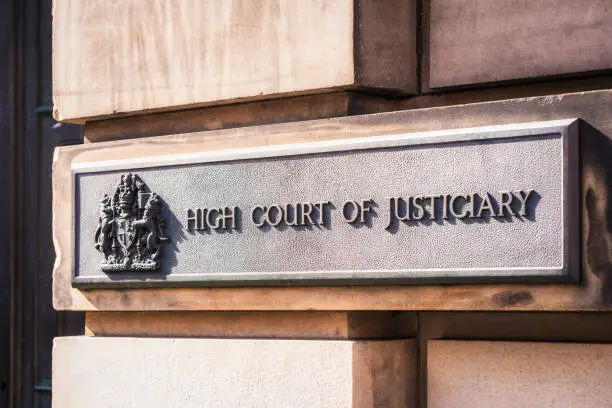
London, 4 June (Parliament Politics Magazine) – Following proceedings at the London High Court, financier Lex Greensill received a nine-year directorship ban. Avoidance of a trial at the London High Court occurred after he signed a binding undertaking. This resolution concludes investigations into the massive collapse of Greensill Capital, impacting various global investors.
Regulatory Action and Court Proceedings
The disqualification is set to take effect on June 23, effectively ending a high-stakes legal challenge. A six-week trial had been scheduled to commence in the London High Court on June 8, but the financier opted to sign a disqualification undertaking instead. By entering into this legally binding agreement, the former director has chosen not to dispute certain findings of the regulatory probe, thereby avoiding the necessity of a protracted court battle. The ban serves as a stern warning regarding the responsibilities of leadership in the corporate sector. Regulatory investigations revealed that the financier breached his legal duty under the Companies Act 2006 to exercise reasonable care, skill, and diligence. The findings specifically highlighted actions related to transactions with the American construction company Katerra in 2020. According to official reports, these maneuvers removed essential legal protections from a Credit Suisse fund investment. Furthermore, investigators found that he caused or permitted roughly $440 million received in late 2020 to be redirected for purposes other than repaying the fund, ultimately resulting in significant losses. Documents previously surfacing in the London High Court detailed the extent of these failures.
Assessing the Corporate Misconduct
The severity of the penalty underscores the regulator’s commitment to holding leadership accountable for corporate failures that inflict widespread financial damage. Duncan Beach, the chief executive of the Insolvency Service, emphasized the necessity of these measures in a public statement.
“A nine-year ban is a significant period — above the average for director disqualifications — and reflects the serious nature of Lex Greensill’s conduct,”
Beach noted while discussing the long-term implications of the ruling. The agency remains focused on protecting the marketplace from individuals deemed unfit to manage businesses following such substantial failures. The oversight bodies have utilized evidence compiled through extensive discovery, some of which had been subject to intense scrutiny in the London High Court.
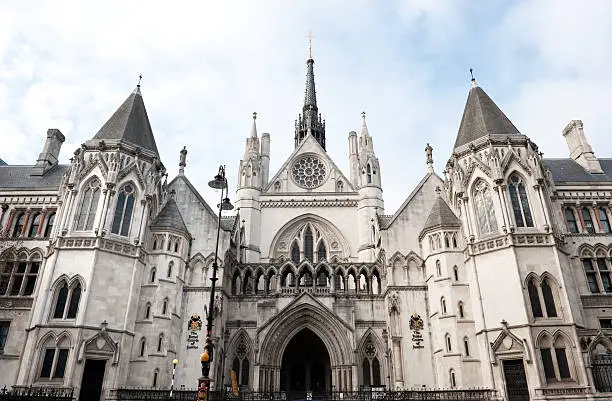
Ongoing Legal Challenges
Despite the disqualification, the financier has maintained his position throughout the legal process. A representative for the businessman pointed to the absence of findings regarding intentional wrongdoing. The spokesperson also confirmed that separate legal proceedings against the Department for Business and Trade, which relate to the unlawful disclosure of private information during the regulatory inquiry, remain ongoing. These issues have periodically surfaced during hearings held at the London High Court.
The collapse of the financier’s business empire in 2021 triggered immense scrutiny across the global financial landscape. The firm’s failure caused massive losses for investors and ignited a series of political and regulatory debates about the oversight of supply chain finance companies. While this disqualification marks a major milestone in the government’s pursuit of accountability, the broader repercussions of the firm’s downfall continue to echo through the corridors of the financial industry. Reports from the London High Court suggest that further litigation remains a possibility regarding fiduciary duties. For now, the nine-year prohibition ensures that the former head of the firm will remain removed from the helm of any British corporate entity. The London High Court records confirm this ban stands as a final resolution for these specific disqualification proceedings. The public can view the London High Court documentation for further details on the specifics of the agreed terms. Future regulatory reviews may cite this London High Court ruling as a benchmark.