

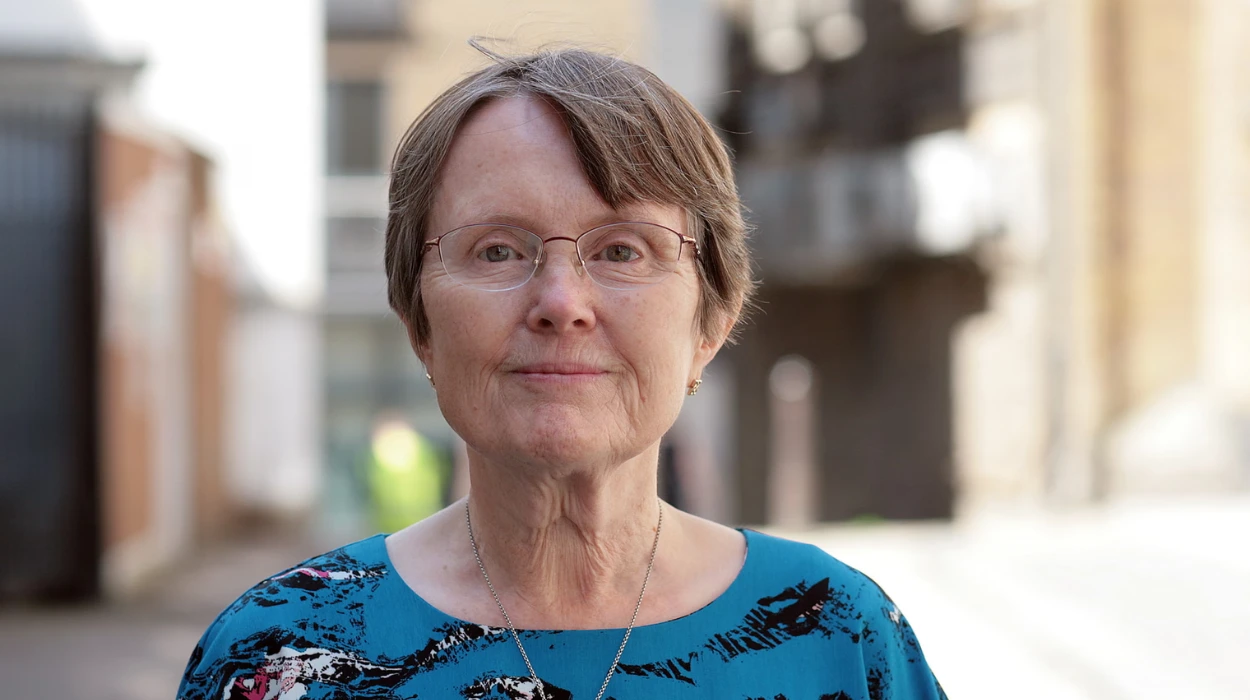
UK (Parliament Politics Magazine) – Government adviser Liz Sayce urges DWP reforms after carer’s allowance scandal, calling for systemic changes to rebuild trust and protect carers.
As reported by Patrick Butler of The Guardian, the DWP faces calls for a management and cultural overhaul to rebuild public trust following a benefits scandal that left many unpaid carers in debt, a top government adviser said.
What did Liz Sayce say about DWP failures in the carer’s allowance scandal?
Professor Liz Sayce carried out a critical investigation into the carer’s allowance scandal, concluding that failures in DWP systems and leadership led carers to unknowingly run up significant debts, with some cases resulting in serious mental illness and potential criminal fraud charges.
She expressed surprise at the DWP’s “lack of organisational curiosity” about the consequences of the carer’s allowance scandal and its reluctance to tackle the problem strategically, even though the issues were long known.
Mr Sayce’s remarks came after senior DWP civil servant Neil Couling had blamed carers for the department’s failings in an internal staff message issued shortly after her report was released.
The key government adviser described Mr Couling’s comments as “distressing” and “clearly not right.” His internal DWP blog post contradicted her seven-month review, endorsed by ministers, which found a confusing and complex system, rather than individual carers, was responsible for the scandal.
Ms Sayce said,
“I was really distressed at the idea that the message would go to all the people working in DWP because as I have said a lot of people working in DWP want to do the right thing and probably that wasn’t the message that they’d taken from the review and what ministers had said. So I found it distressing.”
Work and Pensions Secretary Pat McFadden also rejected Mr Couling’s claim that individual carers were “at the heart” of the issue, confirming his remarks did not reflect the department’s position.
He added,
“This was a longstanding problem that was ignored by the previous government. We commissioned a report and support that. We are going to fix the issues with payments by carers.”
According to her, her report highlighted a “mixed culture” within the DWP, with some staff eager to “learn and improve” while others adopted a more corporate, defensive approach.
She stated,
“It’s very interesting how organisations behave when they feel they are threatened.”
Ms Sayce said it would be interesting to observe “which strands of this culture prevail” as the DWP prepares to roll out a three-year, £75m plan to review past overpayments and improve systems to prevent future carer’s allowance injustices.
She paid tribute to a whistleblower within the DWP for his persistence in exposing carer’s allowance failings, noting that his evidence was crucial to her review, saying,
“It’s not easy to raise issues in a big system [like DWP] and he deserves thanks for continuing to raise those issues across time.”
The government-commissioned Sayce report followed a Guardian investigation that found unpaid carers faced harsh penalties, sometimes reaching £20,000, for accidental overpayments of carer’s allowance.
According to Ms Sayce, she was pleased that the DWP had accepted the majority of her 40 recommendations, but criticised the government’s decision not to adopt her guidance on overpayments as a “missed opportunity.”
She said it was “regrettable” that the government had rejected her recommendation to clarify confusing official guidance on allowable expenses for carers, noting that unclear rules had led some carers to unknowingly accumulate overpayments.
When asked about criminal records, Ms Sayce highlights DWP system failures, saying,
“It’s possible … [that where a] case went through to the CPS, people may have pleaded guilty in order to avoid a worse sentence even if they didn’t think they did anything wrong. I don’t know. But those are possibilities that are of concern.”
Ms Sayce praised ministers for addressing the carer’s allowance issues,
“This is a real step forward. There’s been real commitment from ministers to make this happen. So while there’s further to go, it’s very important to welcome the commitment … I think this will make some significant changes for the better.”
Ministers plan to re-examine around 200,000 historical cases, estimating that approximately 26,000 carers may have debts cancelled or reduced.
Ms Sayce added,
“Transparency is the key to building trust [with carers]. So if people are thinking [these figures] might be on the low side, then they [the DWP] need to explain the criteria.”
The government adviser did not identify the whistleblower, understood to be Enrico La Rocca, a junior DWP official whose internal warnings about failings in the carer’s allowance were repeatedly ignored, leading to an MP’s investigation in 2019.
Despite assurances from DWP permanent secretary Sir Peter Schofield that La Rocca would be protected, he was dismissed in 2020 and reinstated in 2021 after parliamentary intervention. Ministers intervened again this year after his managers attempted to block him from giving evidence to the Sayce review.
Mr Schofield’s role in the DWP carer’s allowance scandal has come under scrutiny. He failed to apologise to carers in 2019 while pledging to resolve overpayments, telling the public accounts committee,
“I am sorry for all of those who are affected by this, but I am going to sort it out.”
What did the DWP say about actions to fix carers’ allowance failures?
A DWP spokesperson said,
“We inherited a system that let carers down – but we’re taking decisive action to put things right and rebuild trust and are grateful to Liz for her work to highlight these issues. We’ve accepted the vast majority of the Sayce review’s recommendations and we’re already making changes. We’ve hired extra staff to stop carers building up large debts, updated internal guidance, and made sure letters clearly explain what changes carers need to report.”
They added,
“And we will continue putting things right by reassessing affected cases, and potentially reducing, cancelling or refunding debts for tens of thousands of carers, as well as working to modernise the benefit so this doesn’t happen again.”
What are the key findings of Liz Sayce’s review into carer’s allowance?
Liz Sayce led an independent review into the Carer’s Allowance overpayments scandal, which found that DWP failed to act on internal warnings and did not demonstrate the ministerial and senior focus needed to resolve persistent problems.
The DWP also used a flawed system where it had access to real-time earnings data (via HMRC alerts) but deliberately chose to act on only half of these to meet internal targets, allowing debts to spiral over the years.
The review showed that the guidance on how carers could “average” fluctuating earnings was found to be confusing and inconsistent, leading to “honest mistakes” rather than “wilful rule-breaking” by claimants.
Ms Sayce’s report concluded that Carer’s Allowance, first introduced in 1976, is “ever less fit for purpose” in the modern world of flexible work and an ageing population, and is incompatible with modern working practices.
