

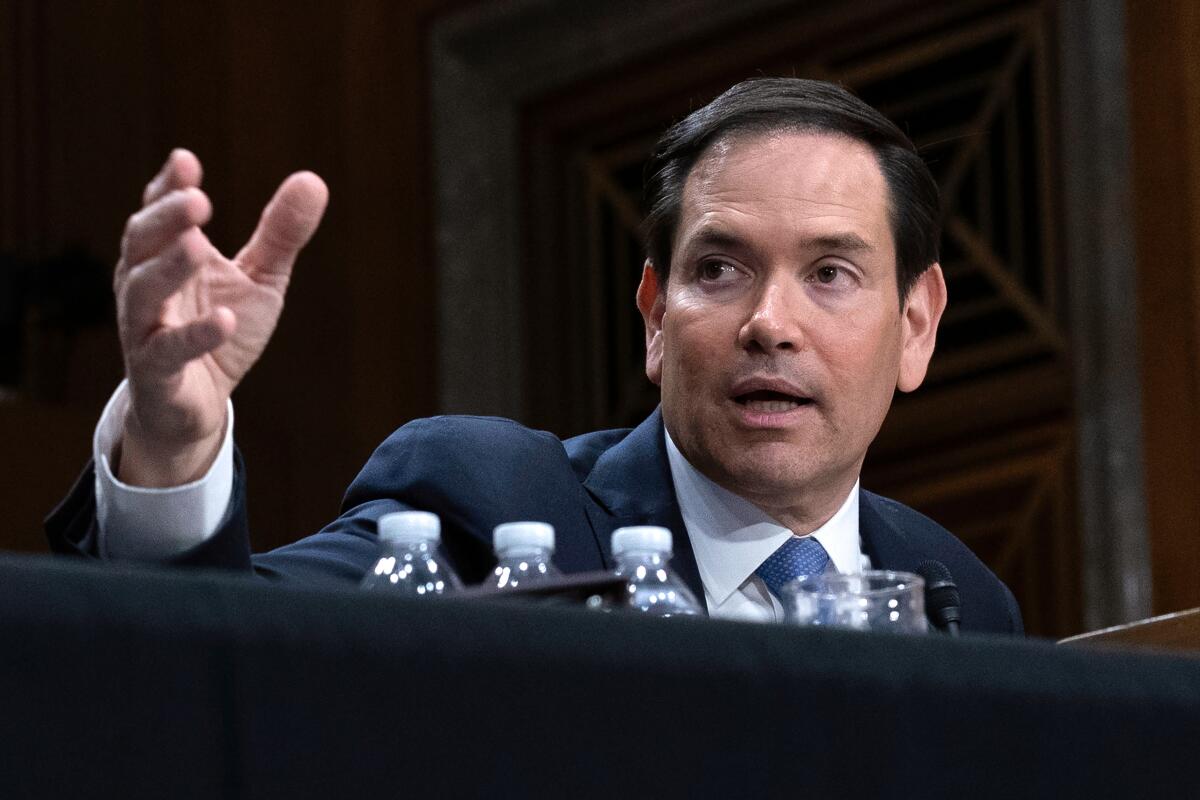
WASHINGTON — March 9, 2026 — Parliament News — A Marco Rubio Iran warning delivered during a security discussion in Washington has intensified global attention on Iran’s geopolitical actions and its expanding influence across the Middle East. Senator Marco Rubio expressed concern that Tehran’s leadership is pursuing strategies that could destabilize the region and challenge international security frameworks.
The Marco Rubio Iran warning arrives during a period of rising tensions involving Iran, Israel, and several Gulf states. Military developments, diplomatic disputes, and economic pressures have combined to create an atmosphere of uncertainty across the region.
Policy experts say the Marco Rubio Iran warning reflects a growing concern among Western governments that Iran’s strategic posture could increase the likelihood of wider regional confrontations.
International observers note that the Marco Rubio Iran warning also highlights the broader geopolitical competition shaping Middle Eastern politics today.
Escalating Tensions in the Middle East
The Marco Rubio Iran warning has brought renewed attention to the complex security landscape in the Middle East. Iran has long been a major regional actor, and its policies often influence political and military developments across neighboring countries.
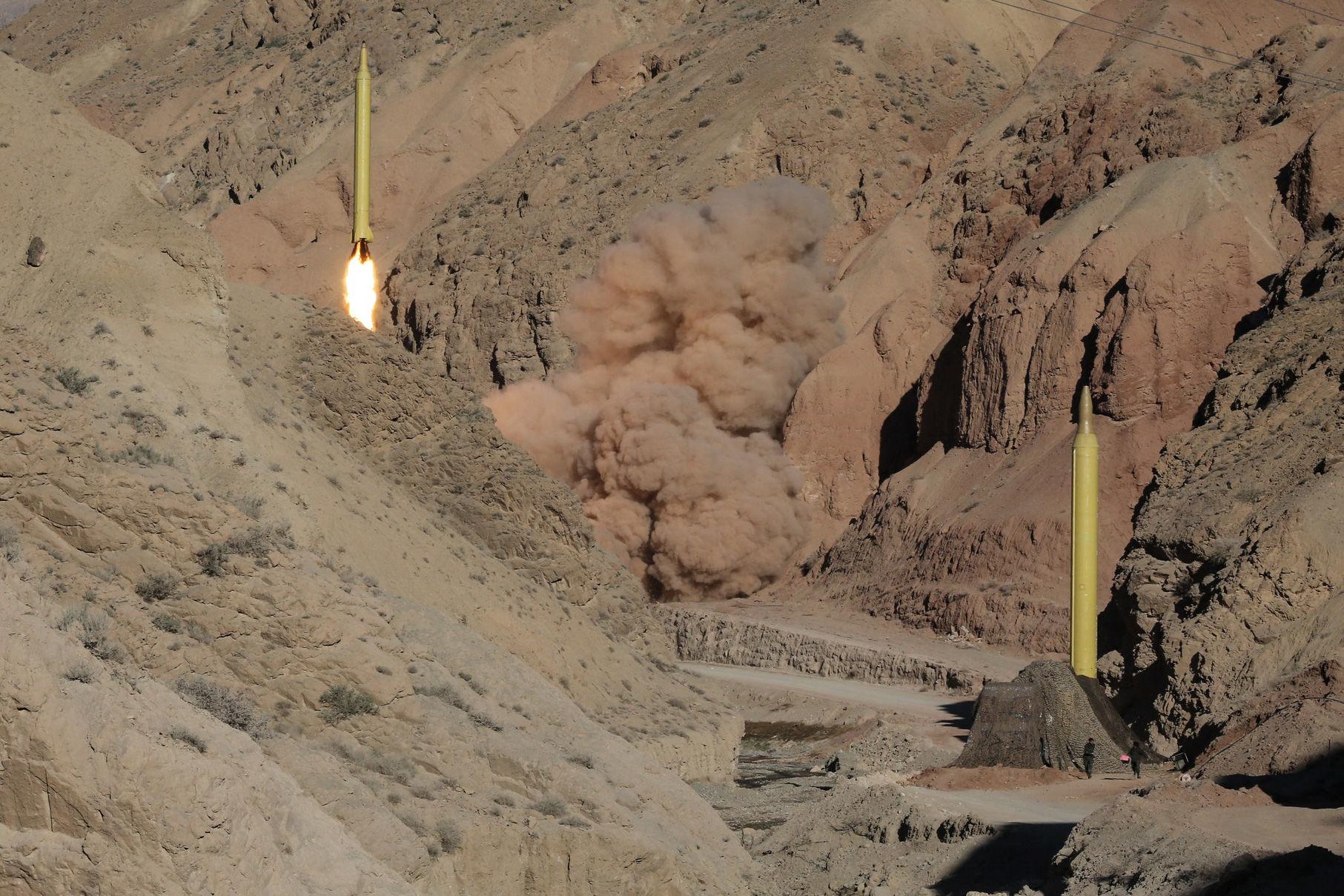
Several governments have raised concerns about Iran’s missile programs and military capabilities. Analysts believe that the Marco Rubio Iran warning reflects worries that these developments could reshape the balance of power in the region.
Over the past decade, tensions between Iran and several regional rivals have intensified due to political disagreements and competing strategic interests.
The Marco Rubio Iran warning highlights fears that these tensions could eventually lead to broader conflict if diplomatic solutions fail.
Strategic Influence Through Regional Alliances
Iran’s geopolitical influence often relies on alliances with political movements and armed groups throughout the Middle East.
Experts say the Marco Rubio Iran warning underscores concerns that these partnerships enable Tehran to project power across multiple countries without direct military intervention.
Groups aligned with Iran have played significant roles in conflicts in Syria, Iraq, Lebanon, and Yemen. These alliances allow Iran to maintain a strategic presence in areas where regional instability remains high.
The Marco Rubio Iran warning therefore reflects broader debates about how proxy conflicts shape modern geopolitics.
Military Technology and Defense Capabilities
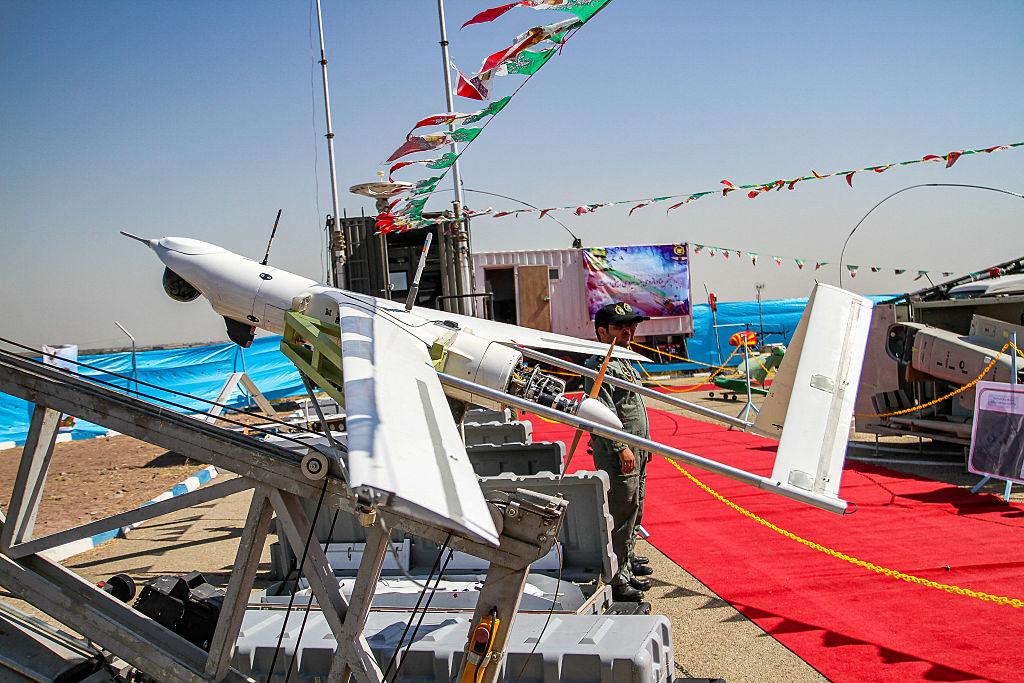
Military analysts say Iran has invested heavily in missile systems, drones, and advanced defense technologies over the past decade.
These capabilities have become a central issue in diplomatic negotiations and international security discussions.
The Marco Rubio Iran warning emphasizes concerns that Iran’s expanding arsenal could increase regional tensions and raise new questions about deterrence strategies.
Several experts argue that modern drone technology has changed the nature of warfare in the region.
Because drones are relatively inexpensive compared with traditional military systems, they have become powerful tools for asymmetric conflict.
Energy Security and Global Economic Impact
Beyond military considerations, Iran’s actions also influence global economic stability.
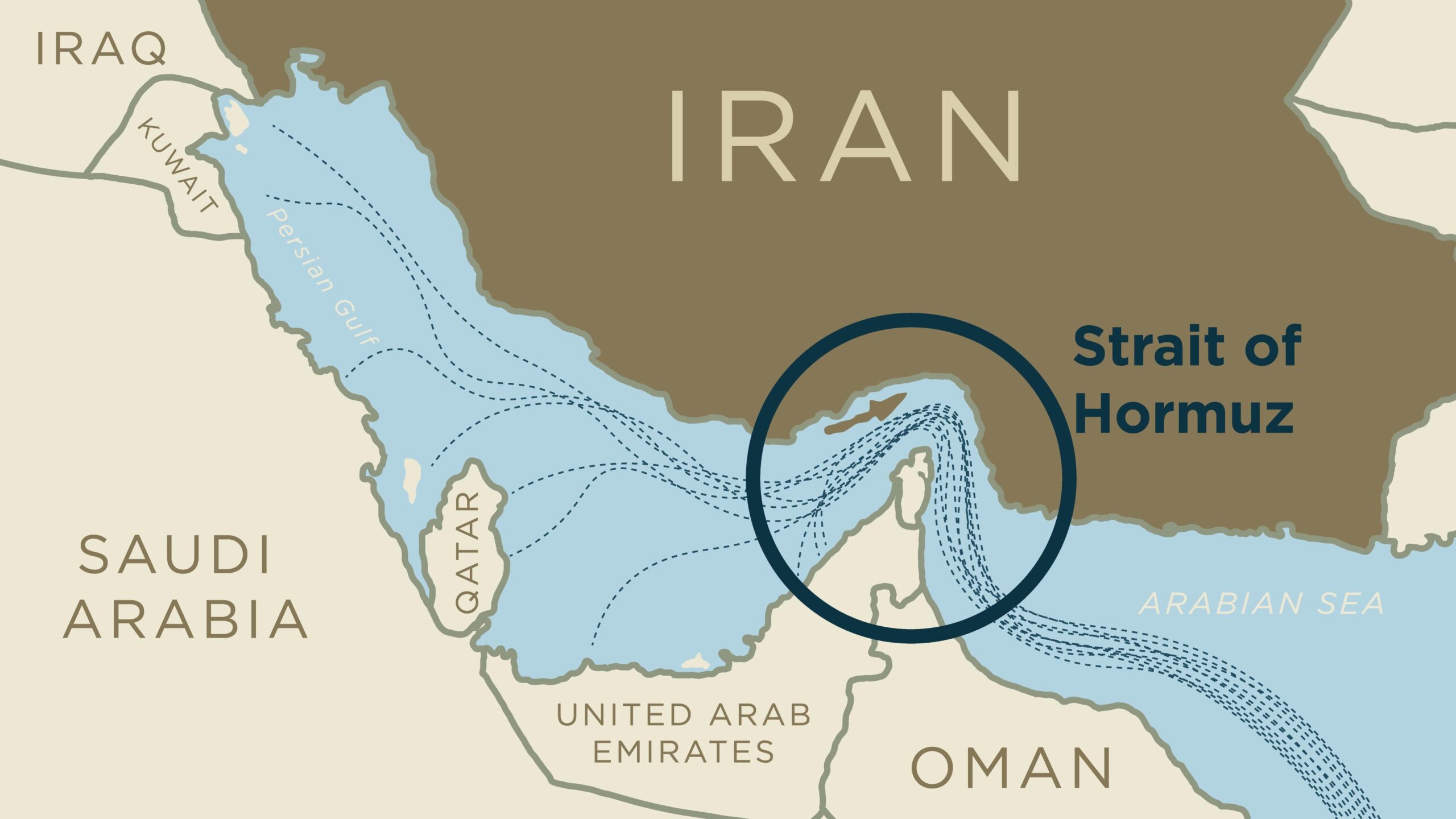
The Persian Gulf remains one of the world’s most important energy corridors, and disruptions in the region can quickly affect global oil prices.
The Marco Rubio Iran warning has drawn attention to the possibility that geopolitical tensions could impact shipping routes and energy infrastructure.
Energy analysts say that even limited disruptions in the region could affect global markets and increase economic uncertainty.
Diplomatic Reactions From Global Leaders
The Marco Rubio Iran warning has triggered reactions from governments across Europe, the Middle East, and Asia.
Some leaders support stronger sanctions as a way to pressure Iran into negotiations. Others believe diplomacy remains the best path to stability.
European officials have emphasized the importance of dialogue and multilateral cooperation in addressing regional tensions.
Meanwhile, several Gulf states have urged the international community to maintain strong security partnerships to counter potential threats.
The Marco Rubio Iran warning therefore reflects a broader debate about how best to manage geopolitical challenges involving Iran.
A Historical Perspective on Iran’s Global Strategy
The origins of current tensions can be traced back to major geopolitical shifts that occurred during the late twentieth century.
Following the Iranian Revolution in 1979, relations between Tehran and Western governments became increasingly strained.
Economic sanctions, diplomatic disputes, and military confrontations shaped decades of interaction between Iran and the United States.
Over time, Iran developed alliances with political movements across the Middle East, strengthening its regional influence.
The Marco Rubio Iran warning reflects how these historical dynamics continue to shape modern geopolitical debates.
Understanding this historical context is essential for interpreting the policies and strategies that influence the region today.
Regional Rivalries and Strategic Competition
The Middle East is home to numerous competing political interests that often intersect with global power dynamics.
Countries such as Israel, Saudi Arabia, Turkey, and the United Arab Emirates all play significant roles in shaping regional security.
The Marco Rubio Iran warning highlights the possibility that these rivalries could intensify if tensions with Iran continue to rise.
Security analysts believe the region’s complex alliances make diplomatic solutions more challenging but also more necessary.
International Security Concerns
The Marco Rubio Iran warning has also drawn attention to the broader implications for international security.
Modern conflicts often extend beyond national borders, involving cyber operations, economic pressure, and political influence campaigns.
These developments have led policymakers to reconsider traditional approaches to diplomacy and military strategy.
The Marco Rubio Iran warning therefore reflects concerns that geopolitical competition is evolving in new and unpredictable ways.
Voices From Policy Leaders
Political leaders and analysts have expressed a wide range of views regarding the situation.
Senator Marco Rubio said:
“Iran’s leadership is attempting to expand its influence through pressure and instability across the region.”
A European diplomatic analyst noted that long term stability will depend on renewed diplomatic engagement.
Meanwhile, a regional security expert warned that military escalation would create significant risks for global markets and international security.
These perspectives illustrate the diverse opinions surrounding the Marco Rubio Iran warning.
The Path Forward for Global Diplomacy
The future of Middle Eastern security will likely depend on the balance between diplomacy and deterrence.
Many analysts believe that negotiations could reduce tensions if all parties remain committed to dialogue.
Others argue that stronger international pressure may be necessary to prevent further escalation.
The Marco Rubio Iran warning highlights the challenges facing global leaders as they attempt to navigate these complex geopolitical dynamics.
Diplomatic engagement, economic strategy, and military preparedness will all play important roles in shaping the region’s future.
Final Analysis and Key Takeaways
The debate sparked by the Marco Rubio Iran warning reflects a broader global concern about stability in the Middle East.
Iran’s strategic ambitions, regional alliances, and military capabilities continue to influence geopolitical developments across the region.
As governments evaluate their responses, the international community faces difficult choices about diplomacy, economic policy, and security cooperation.
The Marco Rubio Iran warning therefore serves as a reminder that developments in the Middle East can have far reaching consequences for global politics and economic stability.
Why This Warning Is Raising Global Alarm?
The Marco Rubio Iran warning has drawn global attention to the evolving security dynamics in the Middle East. Rising tensions, regional rivalries, and diplomatic challenges have created a complex geopolitical environment that continues to influence international policy discussions.
As global leaders seek solutions, the balance between diplomacy and deterrence will likely determine whether tensions stabilize or intensify.
The Marco Rubio Iran warning underscores the importance of international cooperation in addressing one of the most significant geopolitical challenges of the modern era.