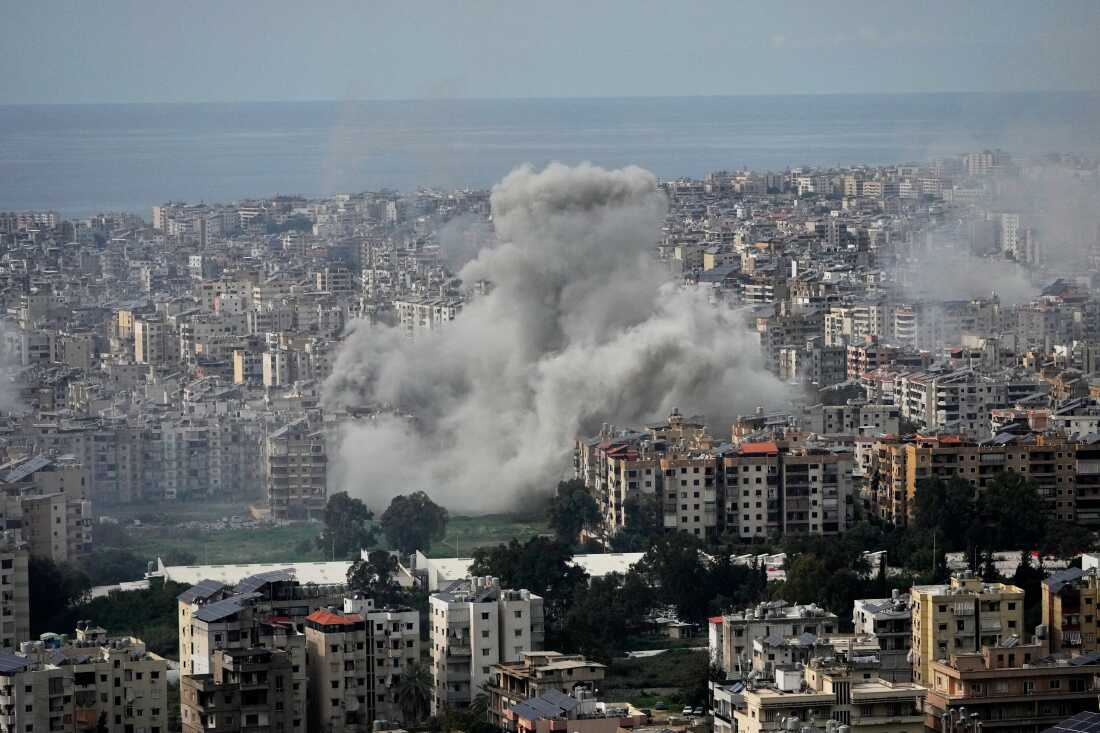
Washington, D.C., United States, April 2, 2026 (Parliament Politics Magazine) Middle East airstrike history has become a renewed focus in 2026 as geopolitical tensions escalate and past military strategies are once again under scrutiny. The phrase “bomb back to the Stone Age,” historically linked to aggressive military doctrine, continues to shape how airpower is perceived across global conflicts.
Over decades, the use of airstrikes in the Middle East has evolved from large-scale bombing campaigns to precision-guided operations. However, the legacy of overwhelming force still influences military planning, political rhetoric, and humanitarian concerns today.
Origins of Airstrike Doctrine in the Middle East
The foundation of Middle East airstrike history is rooted in broader military strategies developed during the mid-20th century. Early doctrines emphasized the use of airpower to weaken enemy infrastructure and morale.
As conflicts expanded into the Middle East, these strategies were adapted to new geopolitical realities. Military planners viewed air superiority as a critical advantage, often relying on large-scale bombing to achieve rapid results.
While effective in certain contexts, these tactics frequently resulted in widespread destruction, raising questions about long-term consequences.
“Bomb Back to the Stone Age” and Strategic Messaging
The phrase “bomb back to the Stone Age” became symbolic of a broader approach within Middle East airstrike history, representing the willingness to deploy overwhelming force.
Although originally associated with earlier conflicts, the rhetoric has echoed in discussions about Middle Eastern warfare, reinforcing perceptions of escalation and deterrence.
A defense expert explained:
“Such language is not just symbolic—it reflects a strategic mindset that prioritizes dominance, sometimes at the expense of long-term stability.”
This type of messaging continues to influence both allies and adversaries in modern geopolitical discourse.
Evolution From Carpet Bombing to Precision Strikes
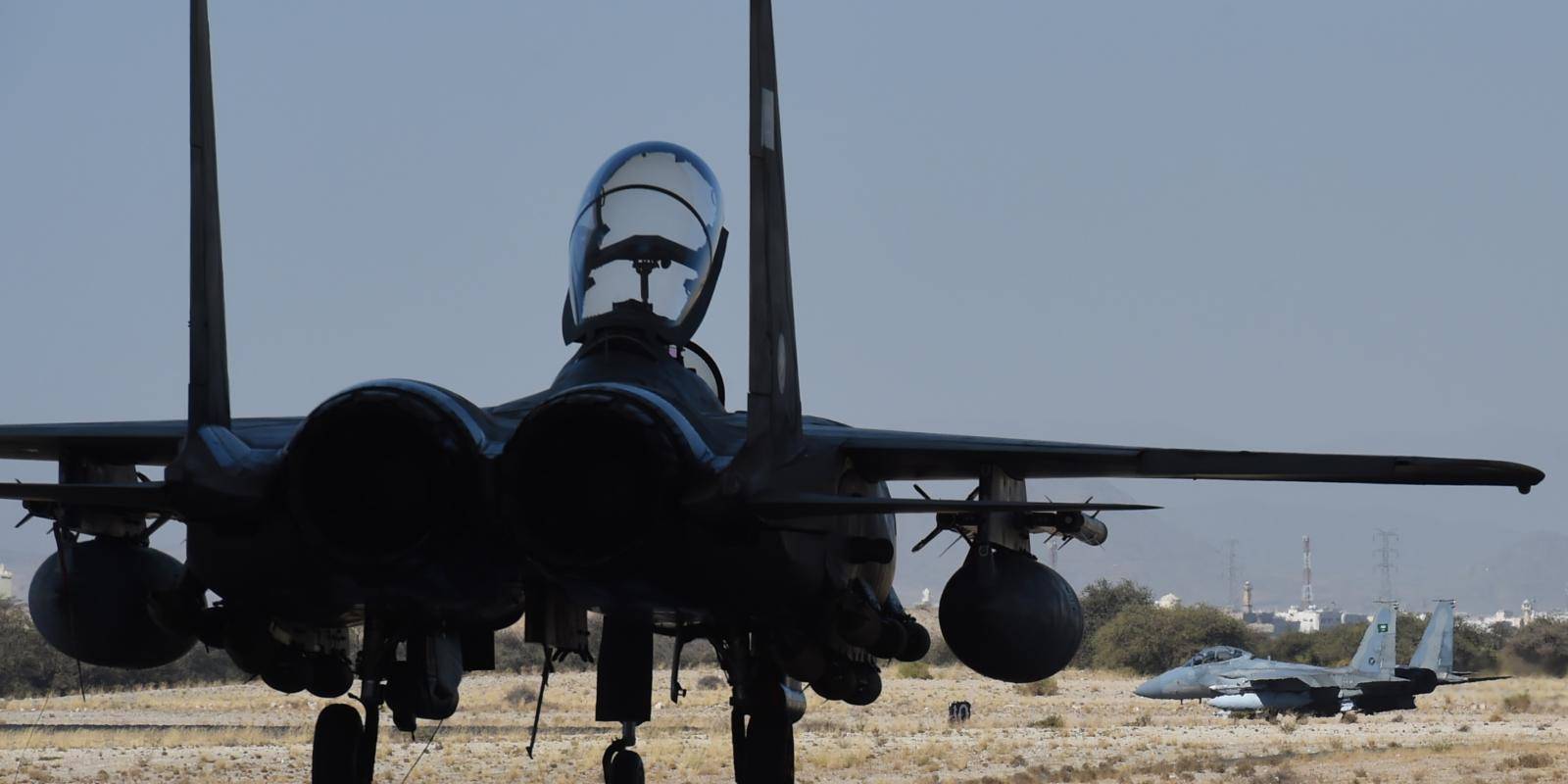
One of the most significant shifts in Middle East airstrike history has been the transition from carpet bombing to precision-guided munitions.
Technological advancements have enabled more targeted operations, reducing—but not eliminating—the risk to civilian populations. Modern air campaigns often focus on specific military objectives rather than widespread destruction.
However, critics argue that even precision strikes can have unintended consequences, particularly in densely populated areas.
Humanitarian Impact Across Decades
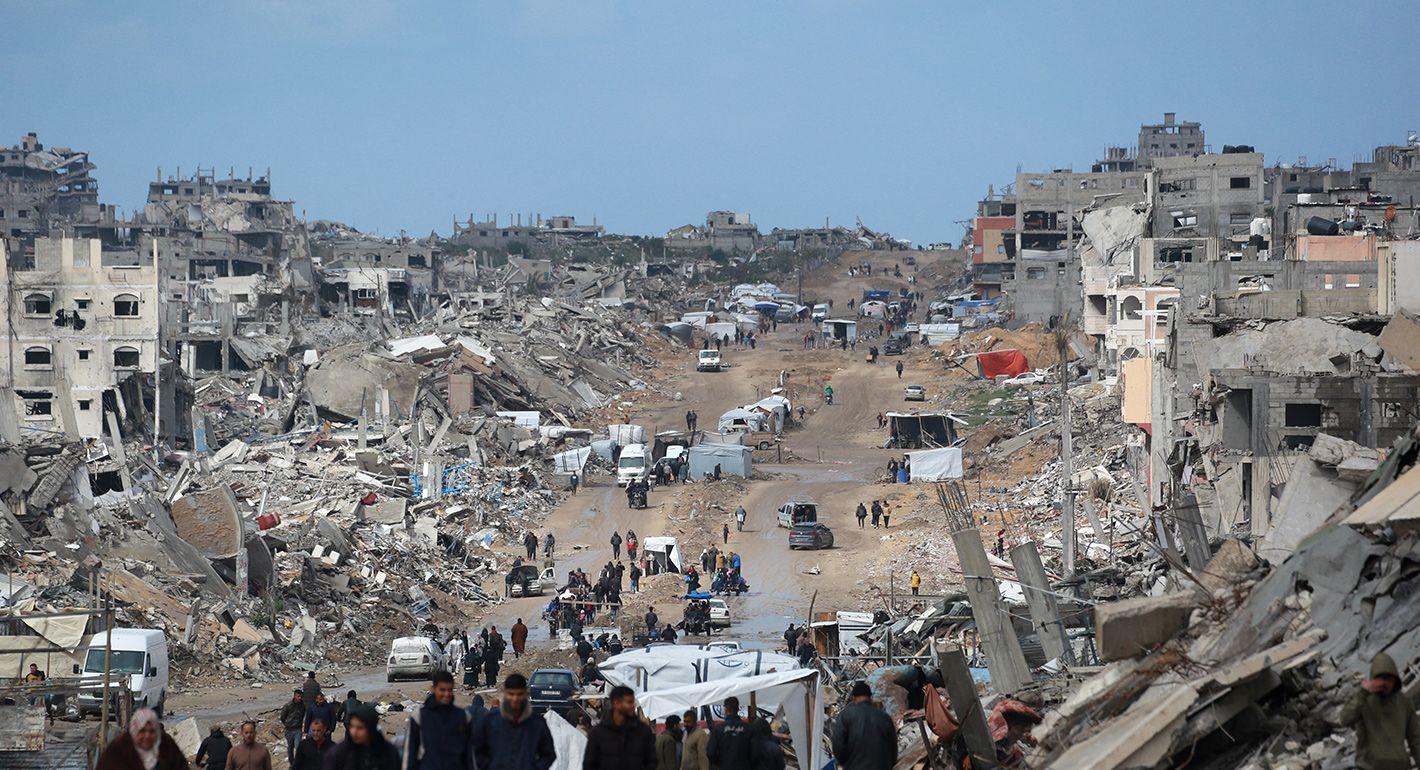
The humanitarian consequences of Middle East airstrike history remain a central concern. Airstrikes have contributed to civilian casualties, infrastructure damage, and long-term displacement.
Hospitals, schools, and residential areas have frequently been caught in the crossfire, intensifying the humanitarian crisis in affected regions.
An aid worker noted:
“The impact of airstrikes extends far beyond the immediate damage—it reshapes entire communities for years.”
These effects continue to influence global debates about the ethics of modern warfare.
Economic and Infrastructure Damage
Beyond the immediate human cost, Middle East airstrike history has left a lasting economic impact. Repeated air campaigns have destroyed critical infrastructure, including roads, power grids, and industrial facilities.
Rebuilding these systems requires significant investment and time, often delaying recovery and prolonging instability.
For many regions, the cycle of destruction and reconstruction has become a recurring challenge.
Political Implications and Global Perception
The legacy of Middle East airstrike history plays a significant role in shaping international relations. Countries affected by air campaigns often view such actions as symbols of external intervention.
This perception complicates diplomatic efforts and can fuel anti-war sentiment across the region.
At the same time, policymakers argue that airpower remains a necessary tool for maintaining security and countering threats.
Modern Strategy and Future Outlook
As warfare continues to evolve, the role of airstrikes is being reassessed. While precision technology has improved targeting accuracy, the broader implications of air campaigns remain complex.
Experts suggest that future strategies will likely balance military objectives with increased emphasis on minimizing civilian harm.
Nevertheless, the lessons of Middle East airstrike history continue to shape decision-making in 2026 and beyond.
Ongoing Debate Over Military Ethics
The ethical debate surrounding Middle East airstrike history has intensified in recent years. Questions about proportionality, accountability, and civilian protection remain at the forefront of international discussions.
Human rights organizations continue to advocate for stricter regulations and greater transparency in military operations.
These debates highlight the ongoing challenge of balancing security concerns with humanitarian responsibilities.
Key Takeaways
The Middle East airstrike history reflects decades of evolving military strategy, from large-scale bombing campaigns to precision warfare. While technological advancements have changed how airstrikes are conducted, the humanitarian and political consequences remain significant. As global tensions rise in 2026, this history continues to influence modern conflict, raising critical questions about the future of warfare and the cost of military power.