NEW YORK, United States, March 28, 2026 (Parliament Politics Magazine) Middle East conflict diplomacy has taken center stage at the United Nations, where China and Russia have issued sharp criticism of ongoing military actions involving Iran, even as analysts suggest that some global powers may benefit strategically from the crisis.
The debate reflects growing concern over the escalation of tensions in the region, while also exposing deeper geopolitical divides among major world powers.
China and Russia Criticize Escalation
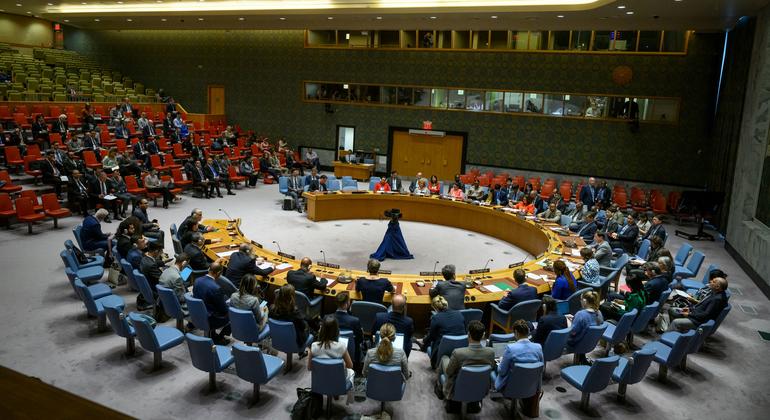
At the United Nations, both China and Russia voiced strong opposition to the current trajectory of the conflict. The Middle East conflict diplomacy discussions have underscored calls for restraint and a return to diplomatic engagement.
Chinese representatives emphasized respect for sovereignty and non-intervention, while Russian officials warned of the risks posed by continued military escalation.
A UN diplomat stated:
“The situation demands urgent diplomatic engagement to prevent further destabilization.”
Calls for Immediate De-Escalation
The Middle East conflict diplomacy debate has been marked by repeated appeals for de-escalation. Several nations have urged all parties to prioritize dialogue over confrontation.
UN officials have highlighted the importance of maintaining open channels of communication, even amid rising tensions. However, achieving consensus remains a challenge due to differing national interests.
Analysts Point to Strategic Benefits
Despite public criticism, some analysts argue that certain countries may derive indirect benefits from the ongoing conflict. The Middle East conflict diplomacy narrative includes discussions about shifts in energy markets and geopolitical influence.
Rising oil prices and changing alliances could create advantages for specific nations, even as they call for peace.
A geopolitical expert noted:
“Conflicts often reshape power dynamics, sometimes benefiting those who are not directly involved.”
Energy Markets React to Uncertainty
The Middle East conflict diplomacy developments have had a noticeable impact on global energy markets. Oil prices have fluctuated as investors respond to uncertainty and potential supply disruptions.
Energy-exporting nations may experience economic gains, while others face increased costs and instability.
This economic dimension adds complexity to the international response.
Divided International Community
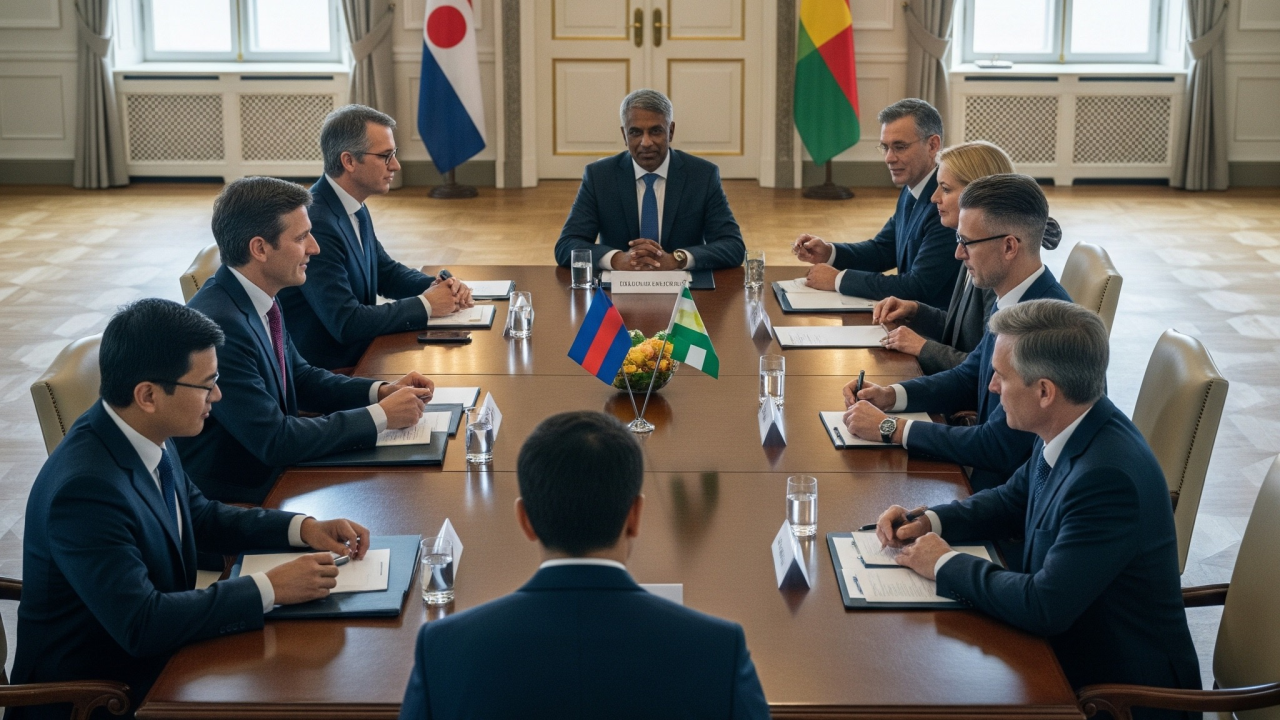
The Middle East conflict diplomacy debate has revealed significant divisions within the global community. While some countries align with calls for restraint, others emphasize security concerns or strategic priorities.
These differences make it difficult to establish a unified approach, potentially prolonging the conflict.
Humanitarian Concerns Remain Critical
Amid geopolitical discussions, humanitarian issues remain a central concern. The Middle East conflict diplomacy debate includes calls to protect civilians and ensure access to essential services.
UN agencies have warned of potential displacement and increased hardship as the conflict continues.
Efforts to address these challenges are ongoing, but obstacles remain.
Global Stability at Risk
The Middle East conflict diplomacy situation highlights broader risks to global stability. Escalation in the region can have far-reaching effects on security, trade, and international relations.
Experts warn that failure to manage the conflict effectively could lead to long-term consequences.
Diplomatic Efforts Continue
Despite challenges, diplomatic initiatives remain active as part of the Middle East conflict diplomacy framework. Backchannel negotiations and international discussions are being explored as potential paths to resolution.
However, progress remains uncertain, with significant hurdles still in place.
What Lies Ahead?
As discussions evolve, the Middle East conflict diplomacy debate is expected to remain a key focus in global affairs. The coming weeks will be critical in determining whether diplomatic efforts can reduce tensions or whether the situation will escalate further.
Observers continue to monitor developments closely.
Key Takeaways
The Middle East conflict diplomacy debate at the United Nations highlights the complexity of modern geopolitical conflicts. While China and Russia have criticized the war involving Iran, questions remain about who may benefit from the situation.
As divisions persist, the importance of effective diplomacy and coordinated international action becomes increasingly clear.