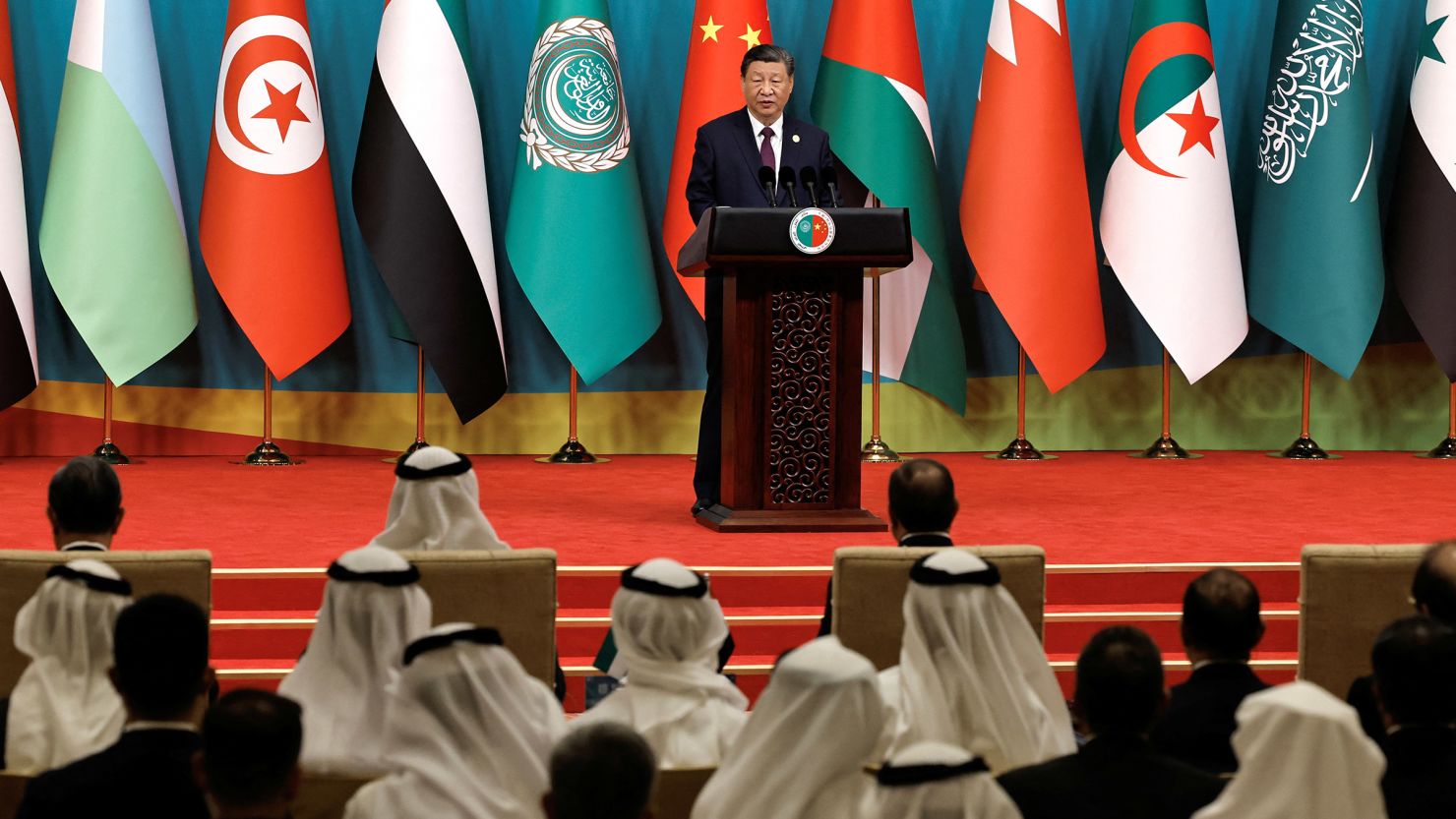
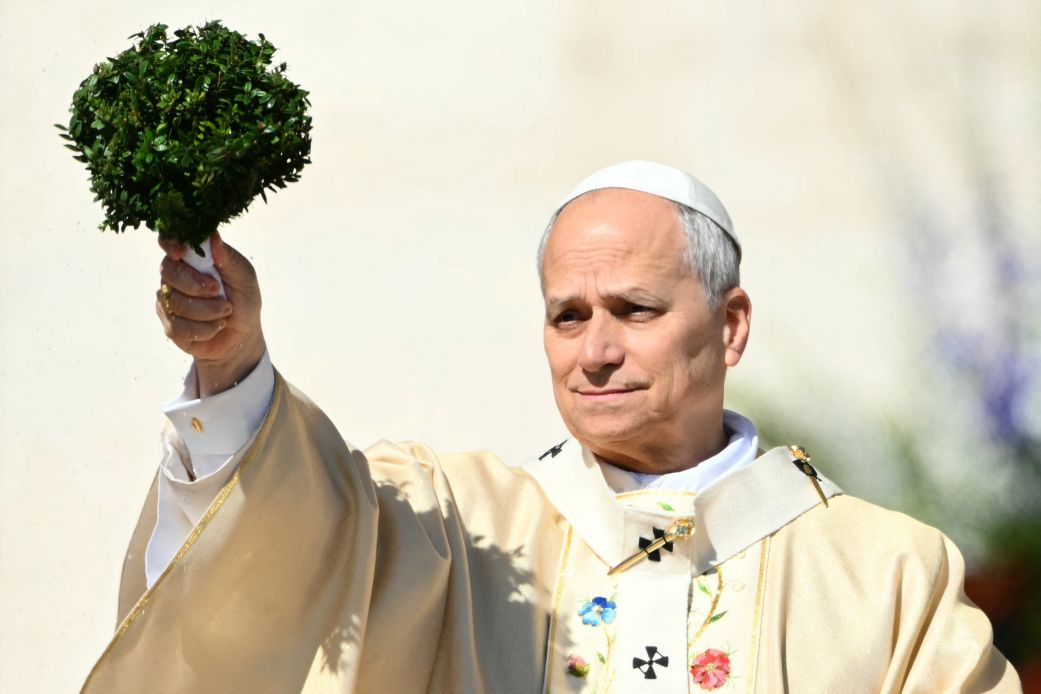
Vatican City, April 08, 2026 (Parliament Politics Magazine) Middle East conflict resolution is entering a critical phase in 2026 as Pope Leo XIV publicly praised the US Iran ceasefire, calling it a sign of “real hope” for a region long shaped by instability and conflict. Speaking from Vatican City, the pontiff emphasized that diplomacy, restraint, and humanitarian focus must guide the next steps.
The ceasefire follows weeks of escalating tensions between the United States and Iran, raising fears of a broader regional war. While the agreement remains fragile, it has opened a pathway toward dialogue and de-escalation.
“This is a moment where humanity must choose peace,”
Pope Leo said.
“The opportunity is real—but it must be protected.”
From Escalation to De-escalation
The emergence of Middle East conflict resolution in this context comes after a dangerous period of military escalation. Strategic strikes, heightened rhetoric, and regional uncertainty pushed the situation toward a potential large-scale confrontation.
Diplomatic efforts intensified behind the scenes, with international pressure playing a key role in encouraging both sides to step back. Analysts suggest that economic risks and geopolitical consequences contributed to the decision to pursue a ceasefire.
While the ceasefire does not resolve deeper issues, it represents a meaningful pause that could evolve into broader negotiations.
Global Reaction to a Fragile Peace
The global response to this step toward Middle East conflict resolution has been cautiously optimistic. Governments and international organizations have welcomed the ceasefire while emphasizing the need for sustained diplomatic engagement.
Financial markets also reacted positively, reflecting reduced immediate risk of conflict. However, experts warn that long-term stability will depend on continued commitment from all parties involved.
The Vatican’s Influence in Peacebuilding
The Vatican’s involvement highlights the broader role of moral leadership in advancing Middle East conflict resolution. Throughout history, the Holy See has acted as a voice for peace, advocating dialogue over confrontation.
By framing the ceasefire as “real hope,” Pope Leo has amplified the urgency of maintaining peace and avoiding further escalation. His message resonates globally, reinforcing the importance of humanitarian values in political decision-making.
Humanitarian Impact of the Ceasefire
One of the most immediate benefits of progress in Middle East conflict resolution is the improvement in humanitarian conditions. Reduced hostilities can create safer environments for civilians and allow aid organizations to operate more effectively.
Potential humanitarian outcomes include:
- Increased access to food and medical assistance
- Improved safety for vulnerable populations
- Opportunities for rebuilding damaged infrastructure
- Greater coordination among international aid groups
Even temporary stability can have a significant positive impact on millions of lives.
Economic Implications Across the Region
The advancement of Middle East conflict resolution could also influence global economic dynamics. The region plays a central role in energy markets, trade routes, and international commerce.
A sustained ceasefire may lead to:
- Stabilization of oil prices
- Renewed investor confidence
- Expansion of trade and economic partnerships
- Recovery in affected industries
Economic stability often follows political stability, making this development particularly significant.
Challenges to Sustained Peace
Despite progress, Middle East conflict resolution faces ongoing challenges. Deep-rooted political, ideological, and strategic differences remain unresolved.
Experts highlight key risks:
- Limited trust between opposing sides
- Influence of regional actors with competing agendas
- Internal political pressures
- Potential for isolated incidents to escalate
Maintaining momentum toward peace will require consistent effort and cooperation.
A Symbol of Broader Possibility
The current moment for Middle East conflict resolution represents more than a single agreement—it signals the possibility of change in a region often defined by prolonged conflict.
Observers note that even incremental progress can create opportunities for broader diplomatic breakthroughs.
Quote Section
“Peace begins when even the smallest window of opportunity is protected and expanded into lasting change.”
What Comes Next for the Region
The future of Middle East conflict resolution depends on sustained diplomatic engagement and concrete actions. The coming months will be critical in determining whether this ceasefire leads to lasting stability.
Key developments to watch include:
- Continued diplomatic negotiations
- Reduction in military activity
- Expansion of humanitarian efforts
- Agreements addressing long-term regional issues
A Moment of Real Hope
Middle East conflict resolution has gained renewed attention in 2026 as Pope Leo praised the US Iran ceasefire as a sign of “real hope.” While the situation remains fragile, this development offers a meaningful opportunity to move toward stability, cooperation, and long-term peace.