
Middle East cyber warfare escalates in 2026 as coordinated digital attacks target media and government systems in Tehran.
Authorities confirm ongoing investigations while strengthening cybersecurity defenses across critical infrastructure.
Experts warn the region’s digital battlefield is becoming a defining front in modern geopolitical conflict.
Tehran, Iran, February 28, 2026 — According to Parliament News, that Middle East cyber warfare has intensified as authorities confirm a series of coordinated digital attacks targeting media outlets, communication networks, and institutional platforms. Officials described the incidents as sophisticated and deliberate, reflecting a broader transformation in how regional tensions are unfolding.
Unlike conventional military escalation, these incidents are unfolding behind screens and server walls. Citizens may not hear explosions or see smoke, yet the impact can be immediate. Websites go offline, communications are delayed, and uncertainty spreads quickly.
Security teams in Tehran worked overnight to contain breaches and restore affected systems. While officials emphasized that essential infrastructure remains operational, investigations are ongoing to determine the origin and intent behind the attacks.
Digital Tensions Mirror Geopolitical Rivalries
Analysts suggest that Middle East cyber warfare increasingly mirrors long standing political and strategic rivalries. Instead of relying solely on physical confrontation, states and non state actors are turning to digital tools to exert pressure, gather intelligence, and influence public perception.
The digital arena offers advantages that traditional conflict does not. Cyber operations can be conducted remotely, attribution can be obscured, and damage can be inflicted without visible destruction. These characteristics make digital confrontation an appealing instrument for actors seeking leverage without triggering full scale war.
Regional security experts note that cyber capabilities are now integral to defense planning. Investments in technology, talent, and monitoring systems have risen sharply across the region.
Media Outlets Become Strategic Targets
Among the institutions most visibly affected are regional news agencies. Disruptions to editorial systems and online platforms highlight how information itself has become a contested resource.
When Middle East cyber warfare targets media networks, the goal often extends beyond technical interference. Controlling or disrupting information flow can shape narratives, amplify confusion, or undermine confidence in institutions.
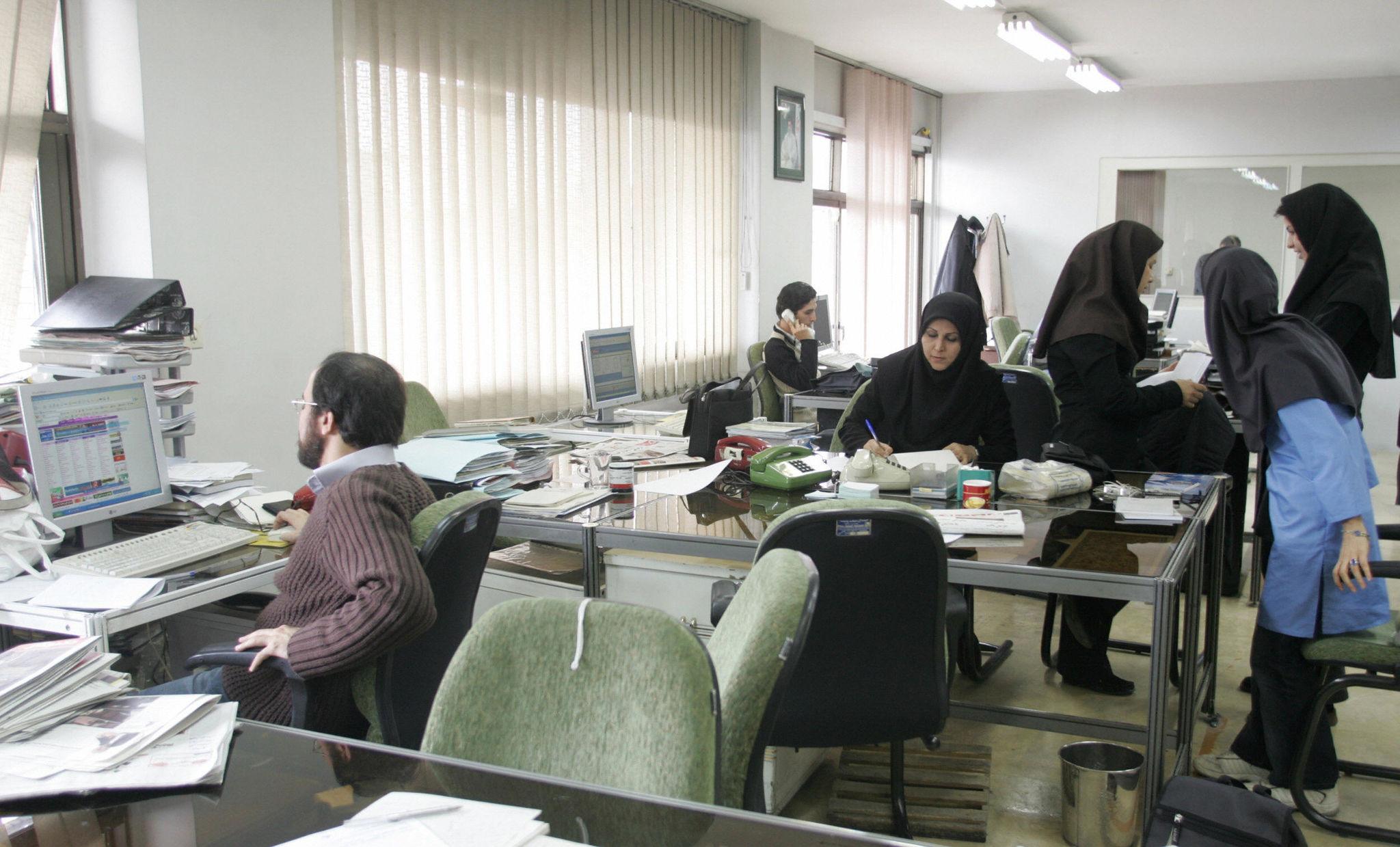
Journalists described temporary outages that delayed publishing schedules and limited access to archives. Technical teams quickly activated backup servers and secure communication channels to maintain continuity.
A senior cybersecurity analyst involved in the recovery effort remarked,
“In today’s environment, cyberattacks are designed not only to breach systems but to shake confidence and create doubt.”
The comment captures the psychological dimension of modern digital conflict.
Government Response and Defensive Measures
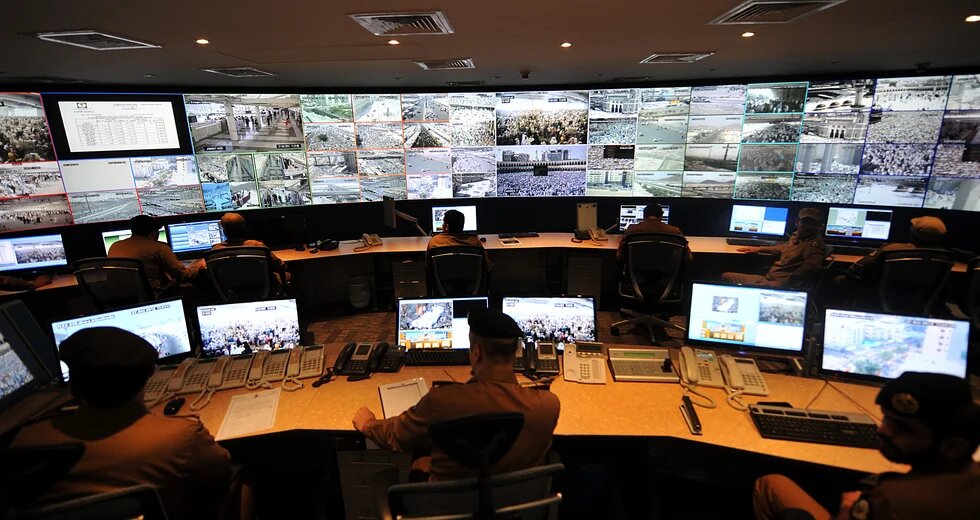
Authorities have activated national cyber defense protocols in response to recent incidents. Forensic teams are analyzing network traffic, identifying malicious code, and isolating compromised systems.
Middle East cyber warfare has prompted renewed focus on resilience. Governments are strengthening encryption standards, updating firewall protections, and investing in advanced monitoring technologies capable of detecting anomalies in real time.
Officials emphasized that public services remain stable, and contingency plans were implemented immediately upon detection of suspicious activity. Collaboration with private technology firms has also expanded, reflecting the interconnected nature of digital infrastructure.
Economic Implications of Digital Disruption
The economic consequences of cyber incidents can extend far beyond the initial breach. Financial institutions, energy networks, and logistics systems are increasingly dependent on digital connectivity.
Middle East cyber warfare carries the potential to disrupt trade flows, financial transactions, and supply chains if attacks escalate or spread. Even limited disruptions can influence investor confidence.
Market analysts observed cautious trading patterns following confirmation of recent digital incidents. While there was no immediate market shock, the possibility of prolonged instability remains a concern for businesses operating in the region.
Energy infrastructure, in particular, remains a sensitive sector. Cyber vulnerabilities within power grids or distribution systems could have cascading economic effects.
Regional Cooperation and Diplomatic Signals
The rise of Middle East cyber warfare has prompted discussions among neighboring governments regarding shared defensive strategies. Regional security forums are exploring mechanisms for intelligence sharing and coordinated response.
International partners are also monitoring developments closely. Cybersecurity agencies in Europe and Asia have expressed concern about the increasing sophistication of attacks.
Diplomatic channels remain active as governments attempt to prevent further escalation. Public statements emphasize restraint and cooperation, even as investigations continue.
Attribution remains a complex challenge. Digital footprints can be masked, routed through multiple jurisdictions, or disguised to mislead investigators.
The Human Impact Behind the Screens
While cyber incidents may seem abstract, their consequences are deeply human. Journalists working in disrupted newsrooms describe long hours restoring systems and verifying information through alternative channels.
Middle East cyber warfare affects everyday life in subtle but meaningful ways. Citizens rely on digital platforms for news, banking, and communication. When systems falter, uncertainty grows.
Information gaps can foster rumors, and the speed of social media can amplify unverified claims. Maintaining accurate communication during digital disruption becomes essential to preserving public trust.
The stress experienced by IT specialists and reporters during recovery efforts underscores the personal toll of digital conflict.
Evolving Technology and Offensive Capabilities
Cybersecurity researchers emphasize that tools used in Middle East cyber warfare continue to evolve rapidly. Artificial intelligence, machine learning, and automation now play roles in both offensive and defensive strategies.
Attackers may use AI driven reconnaissance to identify vulnerabilities, while defenders deploy predictive analytics to anticipate suspicious activity. This technological race demands constant innovation.
Experts warn that as technology advances, the potential scale and speed of cyber incidents may increase. Preparation and training are critical to mitigating future risks.
Historic Comparison
Historical comparisons reveal that Middle East cyber warfare has roots in earlier digital conflicts but has grown dramatically in scope and impact. In the early 2000s, cyber incidents were often limited to defacement of websites or isolated breaches.
Over time, tactics became more sophisticated. Governments began integrating cyber capabilities into national defense strategies. The digital domain evolved from a peripheral concern to a central strategic arena.
Past incidents demonstrated that even limited cyber operations could influence political narratives and diplomatic relationships. Today’s landscape reflects lessons learned from those earlier episodes, with actors employing more advanced and coordinated approaches.
The shift from sporadic hacking to sustained digital campaigns marks a significant transformation in regional security dynamics.
Legal and Ethical Considerations
The rise of Middle East cyber warfare raises questions about international law and accountability. Traditional legal frameworks were developed in the context of physical conflict.
Determining what constitutes an act of aggression in cyberspace remains debated among policymakers. Establishing norms for acceptable digital conduct is an ongoing international challenge.
Ethical concerns also arise regarding civilian infrastructure. Media networks, hospitals, and financial institutions often rely on shared digital ecosystems.
Balancing national security priorities with protection of civilian systems is a delicate task.
Cyber Resilience as a Strategic Priority
Governments across the region are expanding cybersecurity education and workforce training programs. Public awareness campaigns encourage stronger digital hygiene practices among citizens.
Middle East cyber warfare has underscored the importance of redundancy and backup systems. Organizations are investing in cloud infrastructure and multi layer security protocols.
Private sector involvement is critical. Technology firms, telecom providers, and financial institutions play a central role in safeguarding digital ecosystems.
Resilience planning includes simulation exercises designed to test response capabilities under realistic conditions.
Global Strategic Implications
Beyond regional borders, Middle East cyber warfare influences global security discussions. Major powers view digital capabilities as essential components of modern strategy.
Cyber incidents in one region can ripple across international networks, especially when multinational corporations are involved.
Global forums are increasingly addressing cybersecurity norms and cooperative mechanisms. While consensus remains elusive, dialogue continues.
The interconnected nature of digital infrastructure means that no country operates in isolation.

Information Integrity and Public Trust
Maintaining information integrity during digital crises is vital. News organizations are investing in secure communication platforms and backup publishing systems.
Middle East cyber warfare demonstrates that safeguarding trust is as important as protecting hardware.
Transparency from authorities helps reduce speculation and misinformation. Clear communication during recovery efforts can reassure the public.
Citizens increasingly understand that digital security is a shared responsibility.
A Digital Crossroads for Regional Stability
As 2026 unfolds, Middle East cyber warfare stands at the center of regional security strategy. The digital domain has become a parallel battlefield where influence and resilience intersect.
Leaders face complex choices about deterrence, cooperation, and technological investment. Preventing escalation while defending national interests requires careful balance.
The events unfolding this year illustrate how conflict has transformed. Instead of visible front lines, digital code and network architecture define new boundaries.
The future of regional stability may depend less on physical force and more on digital discipline.
In this evolving landscape, preparedness, transparency, and sustained diplomatic engagement will determine whether cyber confrontation stabilizes or deepens in the years ahead.