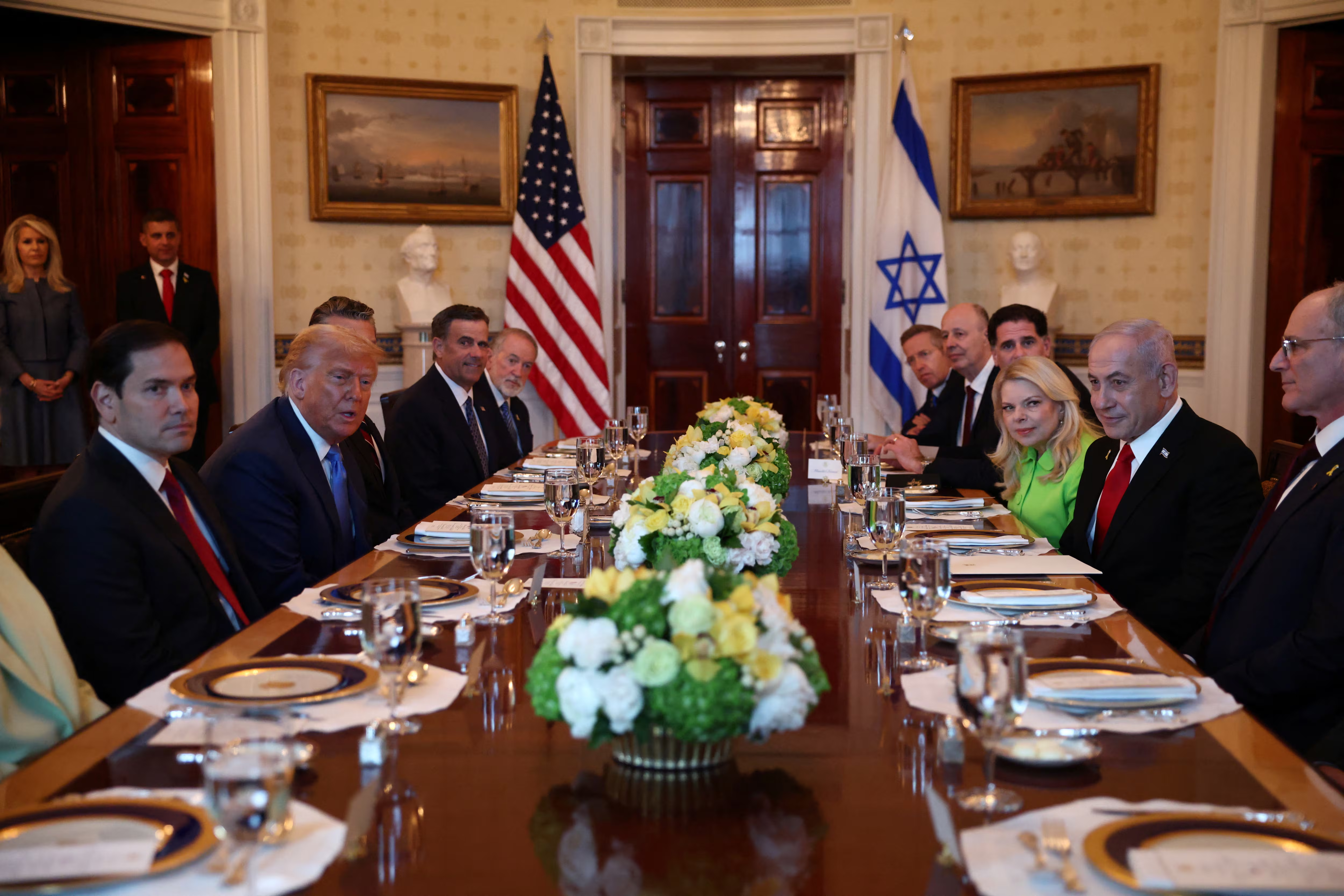
The evolving Middle East diplomatic shift reflects deeper structural changes in regional alliances and strategic priorities, raising new questions about how negotiations may unfold in the coming months.
Houthis Step Into a New Diplomatic Role
The emergence of the Houthis within the Middle East diplomatic shift signals a notable expansion of their role beyond regional conflict into broader geopolitical strategy.
Analysts identify several motivations behind this positioning:
- Strengthening alignment with Iran’s long-term objectives
- Increasing leverage in international negotiations
- Expanding political legitimacy beyond Yemen
- Enhancing influence within regional power structures
A regional expert stated:
“This is a clear indication that diplomatic influence in the region is no longer limited to traditional state actors.”
Drivers Behind the Diplomatic Shift
The current Middle East diplomatic shift is being driven by a combination of political, military, and strategic factors that are reshaping alliances across the region.
Key drivers include:
- Persistent tensions between Iran, the United States, and Israel
- Strategic coordination among allied groups
- Changing power dynamics within the Middle East
- Increased importance of proxy influence in diplomacy
These elements contribute to a more complex and interconnected geopolitical environment.
Impact on Future Negotiations
The Middle East diplomatic shift could significantly alter how negotiations between Iran, the US, and Israel are structured and conducted.
Potential outcomes include:
- Broader representation of regional interests
- Increased complexity in negotiation frameworks
- Greater emphasis on security and defense concerns
- Challenges in reaching consensus among diverse actors
This shift suggests that traditional diplomatic models may need to adapt.
Security and Strategic Implications
Beyond diplomacy, the Middle East diplomatic shift carries important implications for regional security. The integration of non-state actors into strategic discussions adds new layers of complexity.
Security considerations include:
- Expanded role of proxy actors in regional conflicts
- Increased risks of escalation linked to multiple stakeholders
- Shifts in military planning and deterrence strategies
- Greater unpredictability in conflict dynamics
These developments highlight the interconnected nature of diplomacy and security.

Global Response and Policy Adjustments
The Middle East diplomatic shift has drawn attention from global policymakers, who are reassessing strategies in light of evolving dynamics.
Key responses include:
- Calls for inclusive and adaptive diplomatic approaches
- Increased engagement from international mediators
- Re-evaluation of existing policy frameworks
- Efforts to balance stability with strategic interests
The global response reflects recognition of the changing diplomatic landscape.
Economic and Energy Implications
The Middle East diplomatic shift may also influence global economic conditions, particularly in the energy sector. The region’s importance to global markets makes these developments highly significant.
Potential impacts include:
- Increased volatility in oil prices
- Uncertainty in energy supply chains
- Strategic adjustments by global energy stakeholders
- Investor caution in regional markets
Economic stability remains closely tied to geopolitical developments.
Narrative Power and Influence
The Middle East diplomatic shift also involves a shift in narrative and perception. The Houthis’ positioning reflects efforts to shape both regional and global discourse.
Key elements include:
- Framing their role as part of broader geopolitical strategy
- Strengthening internal and external messaging
- Building legitimacy through engagement in diplomacy
- Expanding influence beyond traditional boundaries
Narrative control is increasingly important in modern geopolitics.
What Comes Next
As the Middle East diplomatic shift continues to evolve, several key questions remain about the future of negotiations and regional stability.
Observers are watching for:
- Formal inclusion of Houthis in diplomatic processes
- Changes in US and Israel strategic approaches
- Adjustments in Iran’s negotiation strategy
- Broader regional reactions and alliance shifts
The coming months are expected to be critical in shaping outcomes.
Key Developments
The Middle East diplomatic shift is redefining how regional diplomacy operates.
- Houthis signal support for Iran in future talks
- Non-state actors gaining influence in negotiations
- Regional tensions continue to shape strategy
- Global implications for security and energy markets
- Diplomatic frameworks likely to evolve

Written by
Parliament Politics MagazineWe are a UK based nonpartisan, not-for-profit politics and policy platform, launched in 2021. Our aim is to provide parliamentarians from across the UK, think tanks and those involved in developing and implementing policies a space to discuss legislation, campaigns and more generally political ideas through our website and magazine.