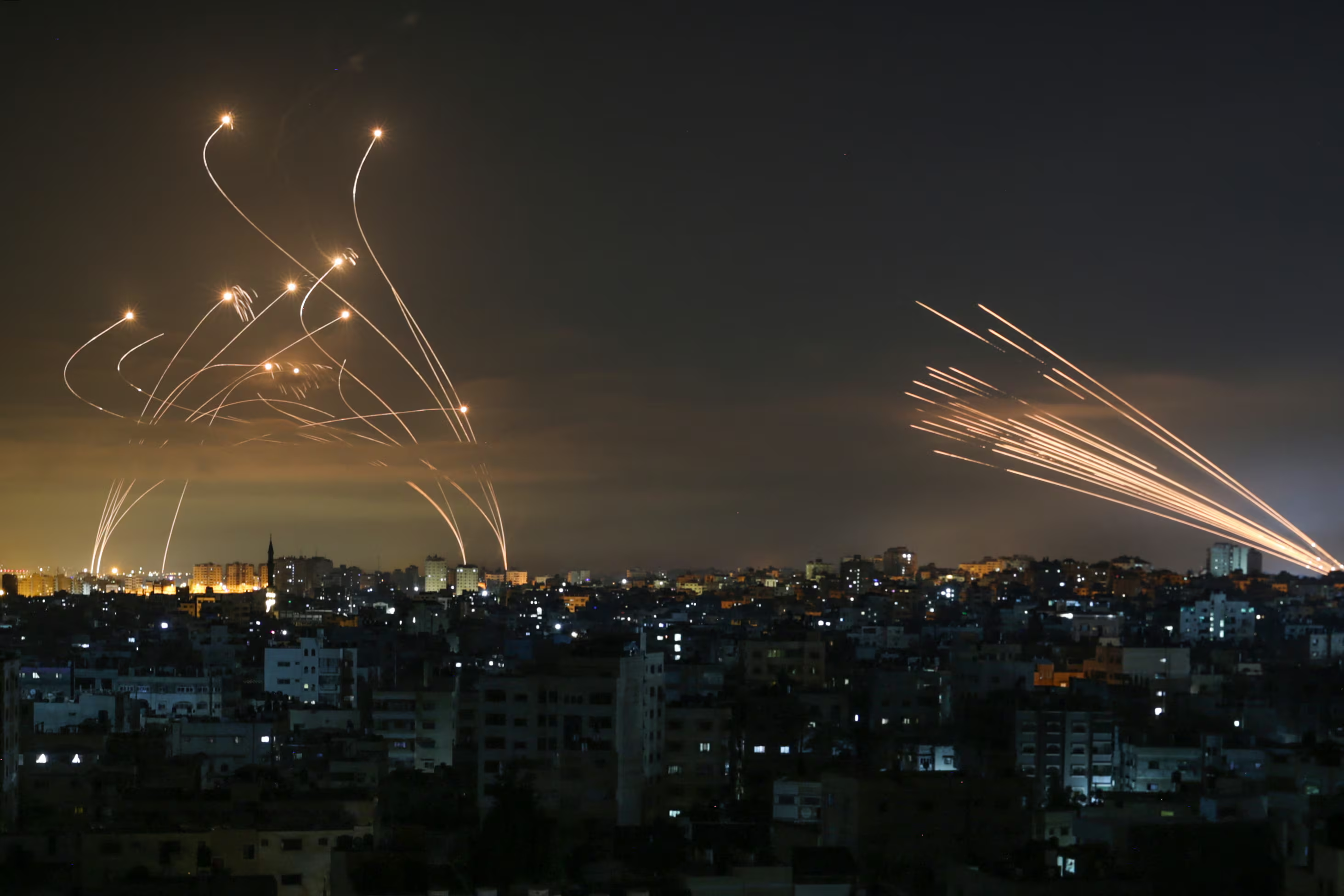
Abu Dhabi, UAE, April 04, 2026 (Parliament Politics Magazine) Middle East drone attacks surged dramatically as the United Arab Emirates reported intercepting 79 missiles and drones in a single day, marking one of the most intense aerial defense operations in the region’s recent history. The large-scale incident has heightened global concerns about escalating conflict and the increasing use of advanced aerial threats across the Middle East.
Officials confirmed that the coordinated wave of attacks was successfully neutralized before causing significant damage, showcasing the effectiveness of the country’s modern air defense infrastructure.
A Massive Surge in Middle East Drone Attacks
Security experts say the volume of incoming threats indicates a highly coordinated assault, involving both missile systems and unmanned aerial vehicles. The mix of attack methods reflects the evolving nature of warfare in the region, where traditional weapons are now being combined with modern drone technology.
The rise in Middle East drone attacks has created new challenges for defense systems, particularly due to the unpredictable flight patterns and low-altitude capabilities of drones.
A defense analyst noted:
“The scale of this operation highlights a new era of conflict. Middle East drone attacks are becoming more frequent, more coordinated, and more difficult to counter.”
How the UAE Managed to Intercept 79 Threats
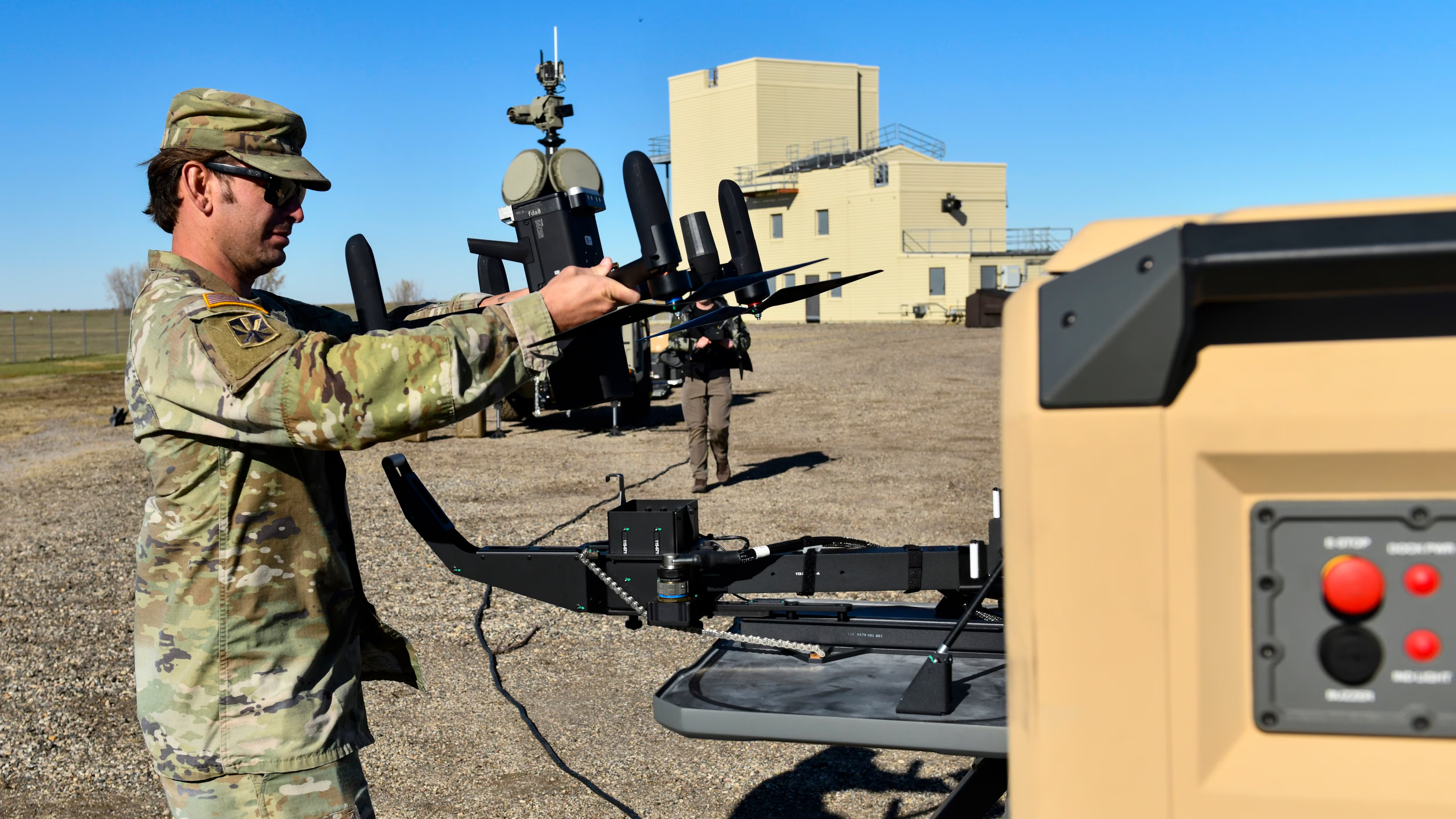
The UAE’s defense response relied on a layered air defense system capable of detecting and intercepting multiple threats simultaneously. This approach allows for rapid identification and neutralization of both high-speed missiles and slower-moving drones.
Key elements of the response included:
- Advanced radar detection systems
- Real-time threat tracking
- Coordinated missile interception units
- Continuous airspace surveillance
Experts say the ability to stop such a large number of threats in a single day demonstrates the high level of preparedness within the UAE’s military infrastructure.
Why Middle East Drone Attacks Are Increasing
The sharp rise in Middle East drone attacks is being linked to ongoing geopolitical tensions, regional rivalries, and the growing accessibility of drone technology. Unlike traditional weapons, drones can be deployed quickly, cost-effectively, and with significant precision.
Several factors contributing to the increase include:
- Expansion of drone capabilities among non-state actors
- Increased use of asymmetric warfare strategies
- Escalation of regional conflicts
- Strategic targeting of infrastructure and urban centers
A regional security expert explained:
“Drone warfare is no longer a secondary tactic. It is now a central strategy in modern Middle East conflicts.”
Minimal Damage Despite Large-Scale Attack
Despite the unprecedented scale of Middle East drone attacks, authorities reported no major casualties or infrastructure damage. This outcome has been attributed to the rapid response and effectiveness of interception systems.
Residents in several areas reported hearing loud interception blasts, but officials emphasized that these were part of defensive operations and not impacts from incoming threats.
Government statements reassured the public that:
- Air defense systems remain fully operational
- Civilian safety remains a top priority
- Emergency response teams are on standby
Global Reactions to the Escalation
The dramatic increase in Middle East drone attacks has drawn attention from governments and defense experts worldwide. Many are closely analyzing how the UAE managed to successfully intercept such a large number of threats within a short period.
International observers see this as a critical moment in modern defense strategy, highlighting the need for:
- Enhanced air defense systems
- Greater intelligence sharing
- Improved counter-drone technologies
The Growing Threat of Drone Warfare
Drone technology has rapidly evolved, making Middle East drone attacks more effective and harder to detect. Unlike traditional missiles, drones can fly at low altitudes and evade radar systems, making them particularly challenging to intercept.
Key concerns surrounding drone warfare include:
- Increased frequency of swarm attacks
- Difficulty in identifying launch sources
- Potential targeting of civilian infrastructure
- Lower cost compared to conventional weapons
The UAE’s success in countering these threats demonstrates the importance of continuous technological advancement in defense systems.
Economic and Strategic Impact
The rise in Middle East drone attacks also has significant economic implications, particularly for countries like the UAE that serve as global trade and financial hubs.
Maintaining security is essential for:
- Protecting energy infrastructure
- Ensuring safe international travel
- Preserving investor confidence
- Supporting uninterrupted trade operations
Experts warn that continued escalation could disrupt regional stability if diplomatic solutions are not pursued.
Calls for De-escalation Amid Rising Tensions
In the aftermath of the attacks, global leaders have renewed calls for diplomatic efforts to reduce tensions. The scale of Middle East drone attacks underscores the urgency of finding peaceful solutions to ongoing conflicts.
A diplomatic source stated:
“The situation is a reminder that military strength alone cannot ensure long-term stability. Dialogue and cooperation are essential.”
Future Outlook: A New Era of Conflict
The incident signals a shift toward technology-driven warfare, where drones and missiles play a central role in conflicts. As Middle East drone attacks continue to evolve, countries will need to invest heavily in defense systems capable of handling complex threats.
For the UAE, the successful interception of 79 threats reinforces its position as a leader in advanced defense capabilities and strategic preparedness.
Middle East Drone Attacks Reach Critical Level
Middle East drone attacks intensified dramatically as the UAE intercepted 79 missiles and drones in a single day, preventing potential widespread damage. The large-scale operation highlights the growing threat of drone warfare and rising regional tensions.
The successful defense response demonstrates advanced military preparedness, but experts warn that continued escalation could pose serious risks to regional stability. The incident reinforces the urgent need for both strong defense systems and diplomatic solutions.