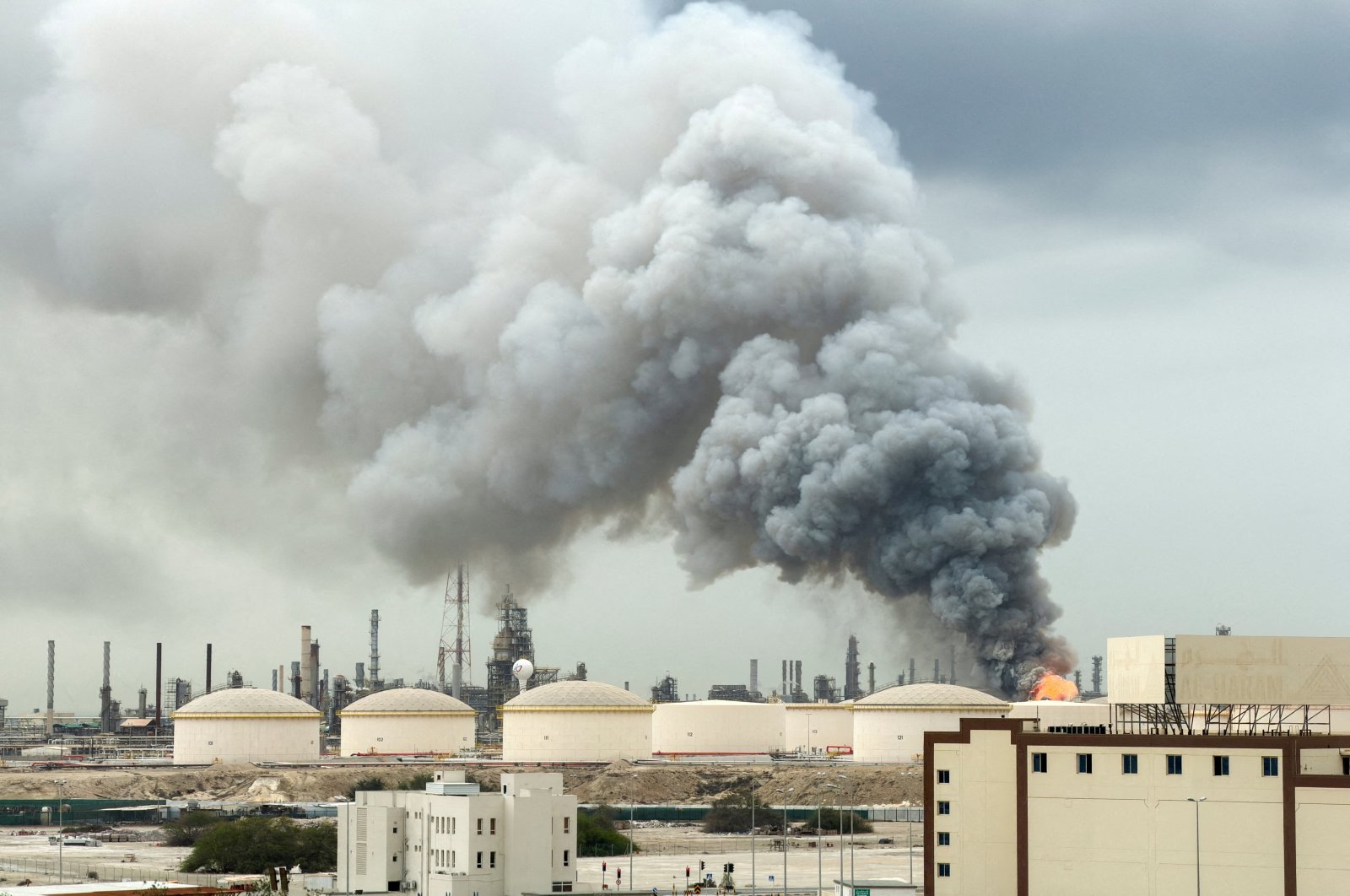
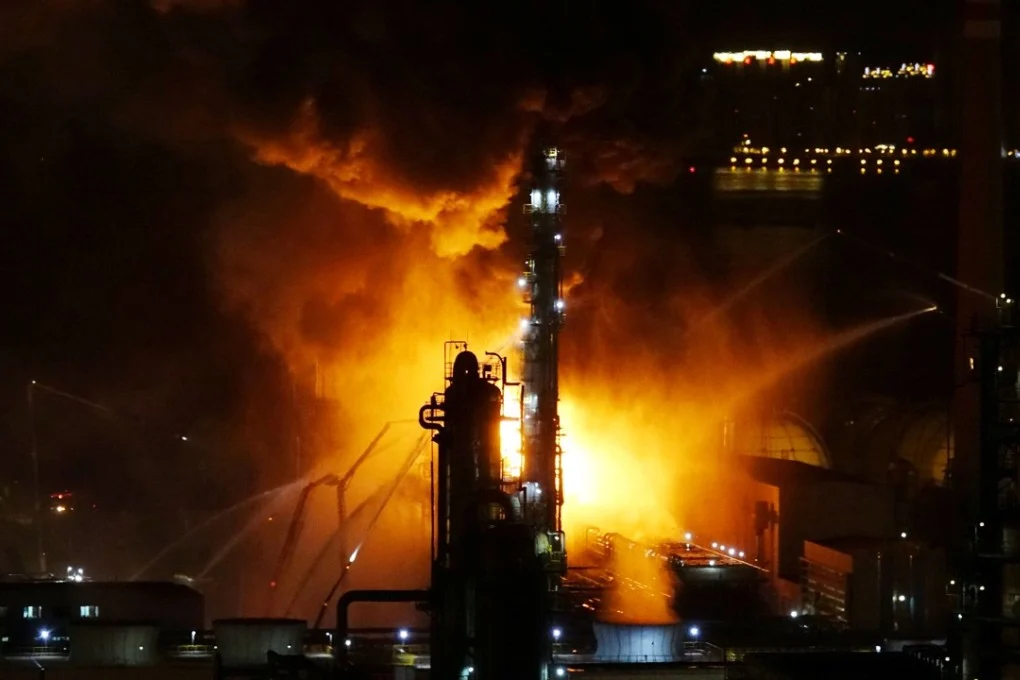
Manama, Bahrain, April 05, 2026 (Parliament Politics Magazine) Middle East infrastructure attack has drawn global attention after a drone strike targeted a major petrochemical facility in Bahrain, triggering a fire that was rapidly contained by emergency crews. The incident highlights increasing risks to critical energy infrastructure as geopolitical tensions persist across the region.
Officials confirmed that swift response efforts prevented the situation from escalating into a larger industrial disaster, minimizing both operational disruption and potential casualties.
Fire Contained Quickly, Damage Limited
Authorities reported that the fire caused by the Middle East infrastructure attack was extinguished within a short period, ensuring that the facility remained largely operational.
Initial findings indicate:
- No fatalities or serious injuries reported
- Contained structural damage within a specific section
- Emergency systems functioned effectively
A government spokesperson stated:
“Rapid response and preparedness played a critical role in preventing further escalation. The situation is stable, and operations are being assessed.”
The quick containment is being viewed as a positive outcome in an otherwise concerning event.
Strategic Target: Energy Infrastructure
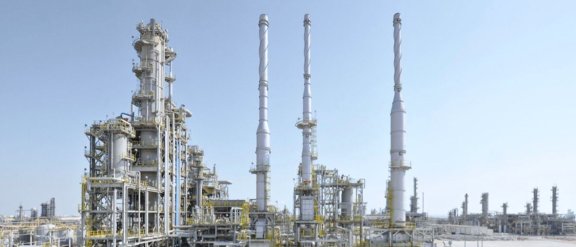
The targeted facility is part of Bahrain’s vital petrochemical network, making it a high-value target in any geopolitical conflict scenario.
This Middle East infrastructure attack underscores a growing trend of targeting energy assets to create economic pressure and instability.
Experts say such attacks are often intended to:
- Disrupt regional energy flows
- Send political and military signals
- Undermine investor confidence
A regional security analyst noted:
“Energy infrastructure has become a focal point in modern conflict strategies due to its global importance.”
Escalating Regional Tensions
The Middle East infrastructure attack comes at a time when tensions across the region are already elevated, with multiple geopolitical issues contributing to instability.
Observers suggest the incident could:
- Heighten existing conflicts
- Trigger diplomatic strain
- Increase the risk of retaliatory actions
While no group has officially claimed responsibility, the timing and nature of the attack are being closely examined within the broader context of regional dynamics.
Security Measures Intensified
In response to the Middle East infrastructure attack, Bahraini authorities are reviewing security protocols across critical facilities.
Proposed measures include:
- Enhanced aerial surveillance systems
- Strengthening of air defense mechanisms
- Increased coordination with regional security partners
Officials emphasized that safeguarding infrastructure is essential not only for national security but also for maintaining economic stability.
Global Energy Market Reaction
Even though the damage was limited, the Middle East infrastructure attack has raised concerns in global energy markets.
The Middle East remains central to global energy supply, and any disruption—even minor—can influence market sentiment.
Analysts are watching for:
- Oil and gas price fluctuations
- Supply chain stability
- Investor confidence
A market expert commented:
“The perception of risk is enough to move markets. Events like this increase uncertainty and volatility.”
Investigation and Attribution
Authorities have launched an investigation into the Middle East infrastructure attack to determine the origin and method used in the drone strike.
Investigators are focusing on:
- Drone technology and launch point
- Potential links to regional actors
- Security vulnerabilities
Officials have not yet identified those responsible, emphasizing the importance of a thorough and evidence-based inquiry.
International Concern and Diplomatic Response
The Middle East infrastructure attack has prompted reactions from the international community, with calls for restraint and renewed diplomatic engagement.
Global leaders have reiterated:
- The importance of protecting civilian infrastructure
- The need to avoid escalation
- Support for dialogue over conflict
Diplomatic channels are expected to remain active as stakeholders seek to prevent further incidents.
A New Era of Asymmetric Threats
The incident reflects a broader shift toward asymmetric warfare, where drones and other technologies are increasingly used to target high-value assets.
The Middle East infrastructure attack highlights how modern conflict is evolving, with smaller-scale attacks capable of producing significant strategic impact.
Experts warn that such tactics are likely to continue, requiring enhanced preparedness and coordination.
A Critical Warning for Regional Stability
The Middle East infrastructure attack on Bahrain’s petrochemical facility serves as a stark warning about the vulnerabilities of critical infrastructure in a volatile geopolitical environment.
While the fire was quickly extinguished and damage contained, the broader implications remain significant. The attack reinforces the need for stronger security measures, continued diplomatic efforts, and vigilance in monitoring regional developments.
As investigations proceed, global attention remains focused on the Middle East, where even isolated incidents can influence wider stability and economic conditions.