IRAN, April 05, 2026 (Parliament Politics Magazine) Middle East nuclear tensions are intensifying after the World Health Organization issued a warning regarding U.S.-Israeli strikes on nuclear facilities in Iran. The statement, delivered by Tedros Adhanom Ghebreyesus, highlights growing global concern over potential health and environmental consequences.
According to international health authorities, attacks on nuclear infrastructure—regardless of their scale—carry risks that extend far beyond military objectives, raising fears of radiation exposure and long-term public health crises.
WHO Warning Signals Serious Health Risks
The WHO chief emphasized that Middle East nuclear tensions involving active strikes on nuclear facilities could trigger dangerous consequences for civilian populations.
“Any attack on nuclear infrastructure risks catastrophic health outcomes and environmental damage,”
Tedros stated, urging restraint from all sides.
Health experts warn that even limited damage can lead to:
- Radiation exposure affecting nearby populations
- Long-term increases in cancer and chronic illnesses
- Contamination of water sources and agricultural land
These risks are particularly concerning in conflict zones where emergency medical systems may already be overwhelmed.
Details Behind the Reported Strikes
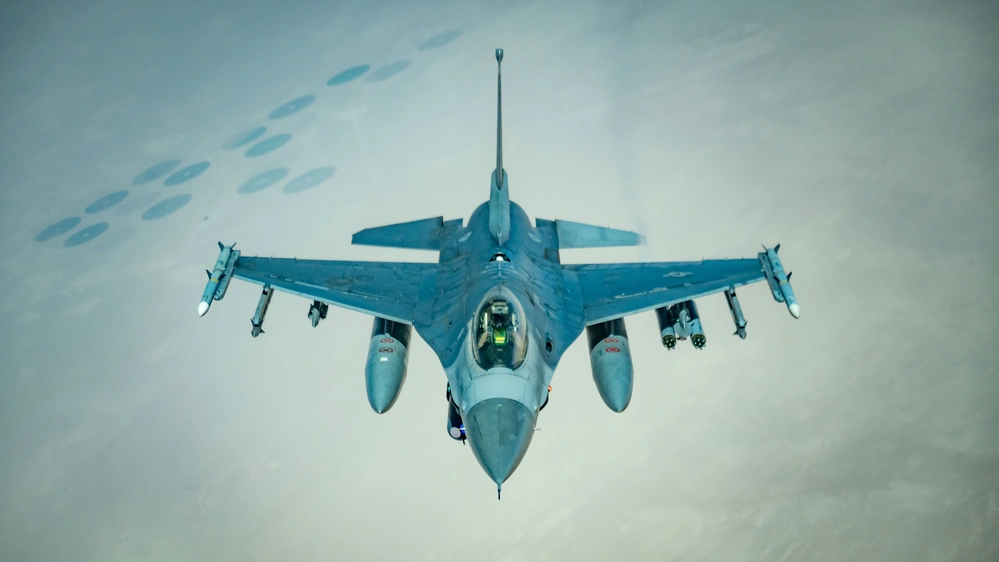
Military sources indicate that U.S. and Israeli forces conducted targeted operations against key nuclear-related sites. While officials described the strikes as precise, concerns remain about unintended fallout.
Iran has strongly condemned the attacks, calling them violations of sovereignty and international law. Officials have also warned that such actions could provoke further escalation in an already volatile region.
The growing Middle East nuclear tensions reflect a broader strategic conflict that now includes high-risk infrastructure.
Global Alarm Over Nuclear Safety
International observers are increasingly focused on the implications of these developments. Nuclear facilities are considered highly sensitive, and their involvement in military conflict raises serious alarms.
Experts caution that Middle East nuclear tensions could lead to:
- Atmospheric release of radioactive materials
- Cross-border environmental contamination
- Large-scale humanitarian crises
The WHO has called for immediate assessments to determine the extent of any potential damage.
Escalation Raises Risk of Wider Conflict
The involvement of nuclear sites has significantly raised the stakes in the region. Analysts warn that incidents involving such facilities increase the likelihood of broader military escalation.
“This situation could spiral quickly if not managed carefully,”
a regional analyst said.
The intensifying Middle East nuclear tensions are now viewed as a critical flashpoint with global implications.
Diplomatic efforts are underway, but progress remains uncertain as both sides maintain firm positions.
Environmental Consequences Could Last Decades
Environmental experts warn that the impact of nuclear site damage could extend far beyond immediate effects.
Potential long-term consequences include:
- Soil contamination reducing agricultural output
- Water pollution affecting entire ecosystems
- Long-lasting ecological disruption
These outcomes could affect not only Iran but also neighboring regions, amplifying the global significance of Middle East nuclear tensions.
Emergency Preparedness Faces Major Challenges
The situation has exposed vulnerabilities in emergency response systems across the region.
Health authorities highlight several challenges:
- Limited access to radiation treatment facilities
- Disruption of healthcare infrastructure
- Difficulties in coordinating international assistance
The WHO has urged countries to prepare for worst-case scenarios as Middle East nuclear tensions continue to rise.
Conflicting Narratives Add Uncertainty
As the situation develops, conflicting reports from involved parties have created uncertainty.
While military officials emphasize precision and control, health experts stress that even minor damage can have major consequences.
This gap between military and public health perspectives underscores the complexity of the crisis.
Calls for De-escalation Intensify
Global leaders are calling for restraint to prevent further escalation. The involvement of nuclear infrastructure has added urgency to diplomatic efforts.
The WHO chief’s warning serves as a reminder that Middle East nuclear tensions are not just a geopolitical issue but a global health concern.
Strategic Implications for the Future
The current situation may reshape how military operations are conducted in regions with nuclear infrastructure.
Key considerations include:
- Increased caution in targeting sensitive sites
- Greater integration of public health risk assessments
- Expanded international oversight
The evolving Middle East nuclear tensions could influence policy decisions for years to come.
A Growing Global Concern
The rise in Middle East nuclear tensions following strikes on Iranian nuclear facilities represents a critical moment in global security.
While details continue to emerge, the potential health, environmental, and geopolitical consequences are significant.
The coming days will be crucial in determining whether tensions escalate further or shift toward diplomatic resolution.
Key Takeaways
Middle East Nuclear Tensions: Key Takeaways
- WHO warns of serious health risks from nuclear site strikes
- Potential radiation and environmental damage highlighted
- Global concern grows as tensions escalate rapidly