

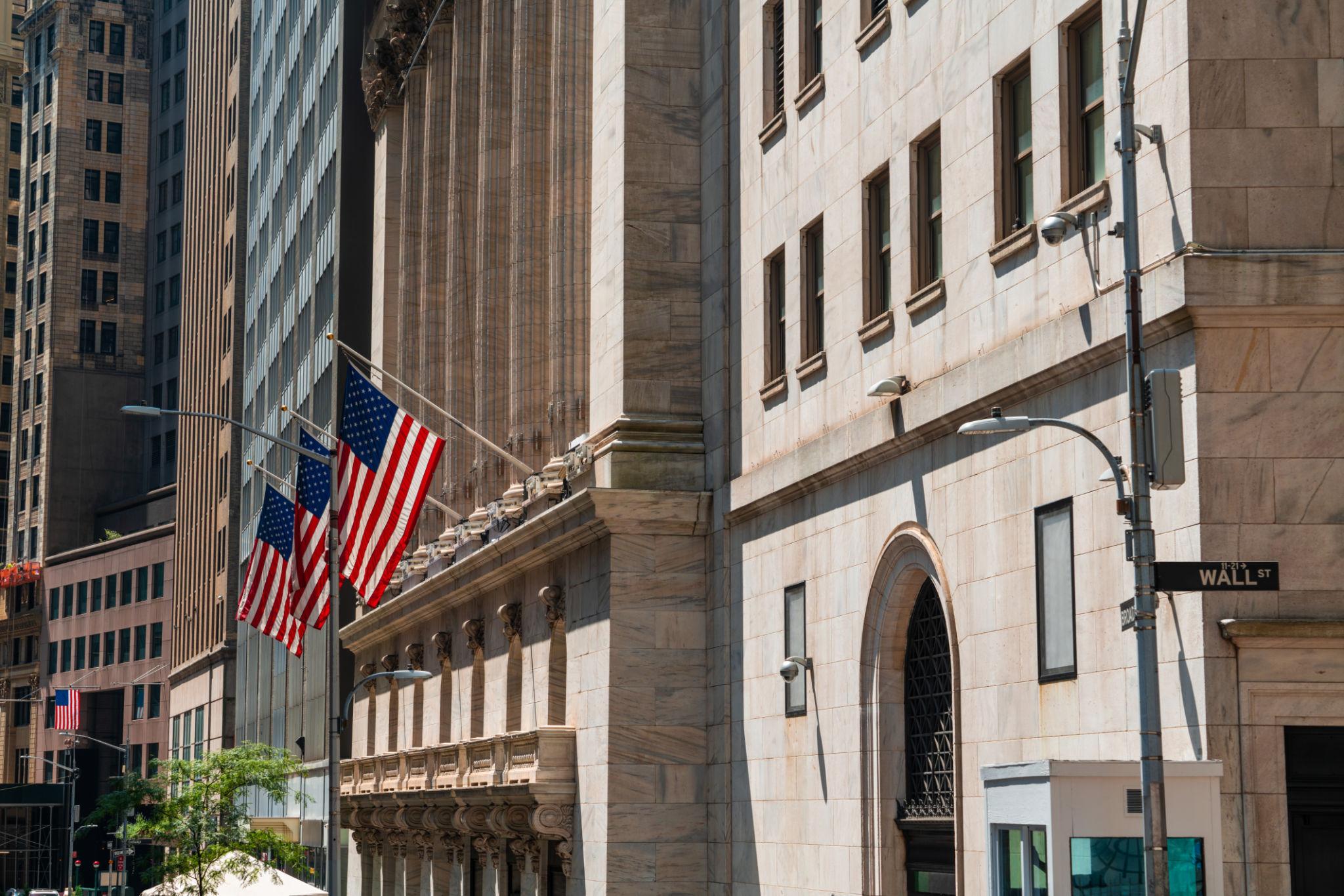
New York, United States, April 17, 2026 (Parliament Politics Magazine) Middle East peace markets moved into focus as Wall Street futures climbed on hopes that easing regional tensions could support a stronger finish to the trading week. Investors responded positively to signs of possible diplomatic progress, while also monitoring oil prices, bond yields, and fresh economic data.
Global markets often react quickly when geopolitical risks appear to cool. Reduced uncertainty can encourage investors to move back into equities, especially after periods of caution.
“Markets reward stability, and even the possibility of peace can shift sentiment fast.”
Why Middle East Peace Markets Matter
The Middle East peace markets story matters because geopolitical tensions in the region can directly influence global stocks, oil prices, shipping routes, and inflation expectations.
When peace prospects improve, markets often anticipate:
- Lower energy price pressure
- Reduced supply chain disruption
- Stronger consumer confidence
- Improved risk appetite
- Greater corporate visibility
- Higher stock valuations
That is why investors across the world watch developments in the Middle East closely.
Wall Street Futures Rise on Optimism
Premarket futures for major U.S. indexes moved higher as the Middle East peace markets narrative gained momentum.
Futures are closely followed because they can signal likely market direction before the opening bell.
Indexes often influenced include:
Dow Jones Industrial Average
Tracks major blue-chip companies.
S&P 500
Broad measure of U.S. corporate performance.
Nasdaq Composite
Technology-heavy index sensitive to growth sentiment.
If geopolitical fears ease, growth and cyclical sectors can benefit quickly.
Why Oil Prices React First
One of the fastest ways the Middle East peace markets theme reaches investors is through crude oil prices.
The region remains central to global energy supply. When tensions rise, traders often fear disruptions. When peace hopes grow, crude prices may soften.
Lower oil prices can help markets by:
- Reducing inflation pressure
- Supporting consumer spending
- Improving airline margins
- Lowering transport costs
- Helping manufacturers control expenses
That can create a favorable backdrop for equities.
Investors Seek Strong Finish to the Week
The Middle East peace markets move also comes as traders look for momentum into the final trading session of the week.
Weekly closes matter because they can:
- Influence next week’s sentiment
- Confirm technical breakouts
- Improve portfolio performance metrics
- Encourage follow-through buying
- Reduce weekend risk anxiety
A strong close can reinforce bullish sentiment heading into the next week.
Sectors Likely to Benefit
If optimism continues, several sectors may respond positively.
Technology
Often rises when risk appetite improves.
Travel and Airlines
Can benefit from lower fuel concerns and stronger confidence.
Industrials
Supported by global growth optimism.
Consumer Discretionary
May gain if lower oil prices help household spending.
Financials
Can rise with stronger market sentiment.
These rotations are common when Middle East peace markets improve.
Economic Data Still Matters
While geopolitics drove headlines, investors remain focused on core economic indicators.
Key reports include:
- Inflation data
- Employment numbers
- Retail sales
- Manufacturing surveys
- Consumer sentiment
- Central bank guidance
Even if Middle East peace markets remain positive, weak economic data could limit gains.
Corporate Earnings Add Another Layer
Earnings season can amplify or offset geopolitical optimism.
If companies report strong profits, the Middle East peace markets rally may gain more traction. Positive earnings can signal:
- Strong demand
- Margin resilience
- Better guidance
- Cost control success
- Business confidence
Markets often need earnings support for rallies to last.
Risks That Could Reverse Momentum
Peace hopes can lift markets, but risks remain.
Possible setbacks include:
- Negative diplomatic headlines
- Renewed military tensions
- Rising oil prices
- Higher bond yields
- Weak economic reports
- Profit-taking after gains
That means the Middle East peace markets rally may remain sensitive to fast-changing news.
Why 2026 Markets React Quickly
Markets in 2026 remain highly headline-driven because investors are balancing:
- Slower but stable growth
- Interest rate uncertainty
- Inflation cooling trends
- Global political risks
- Elevated stock valuations
This environment means even modest positive headlines can trigger buying interest.
“In modern markets, sentiment can move faster than fundamentals.”

What Retail Investors Should Watch
For everyday investors, futures gains are useful signals but not guarantees.
As the day unfolds, key factors include:
- Market breadth
- Volume strength
- Sector leadership
- Oil price direction
- Treasury yields
- Closing momentum
If gains hold through the close, confidence in the Middle East peace markets story may strengthen.
Global Markets Also Respond
This trend is not limited to Wall Street.
European and Asian markets may also react positively when Middle East tensions ease because lower risk can support:
- Export demand
- Travel activity
- Energy stability
- Currency confidence
- Investor flows into equities
That broadens the importance of the Middle East peace markets narrative.
Could the Rally Continue Next Week?
Much depends on incoming headlines and economic data.
The rally could continue if:
- Peace progress advances
- Oil remains stable
- Inflation cools further
- Earnings surprise positively
- Bond yields remain contained
If those factors weaken, momentum may slow.
Middle East Peace Markets Summary and Investor Impact
The Middle East peace markets story gained traction as Wall Street futures rose on hopes for easing regional tensions. Lower geopolitical risk often boosts stocks, especially if oil prices ease and confidence improves.
Investors are still watching economic data, corporate earnings, and bond yields for confirmation that gains can last.
For now, the message is clear: markets welcome stability, and even tentative peace signals can create meaningful momentum.
