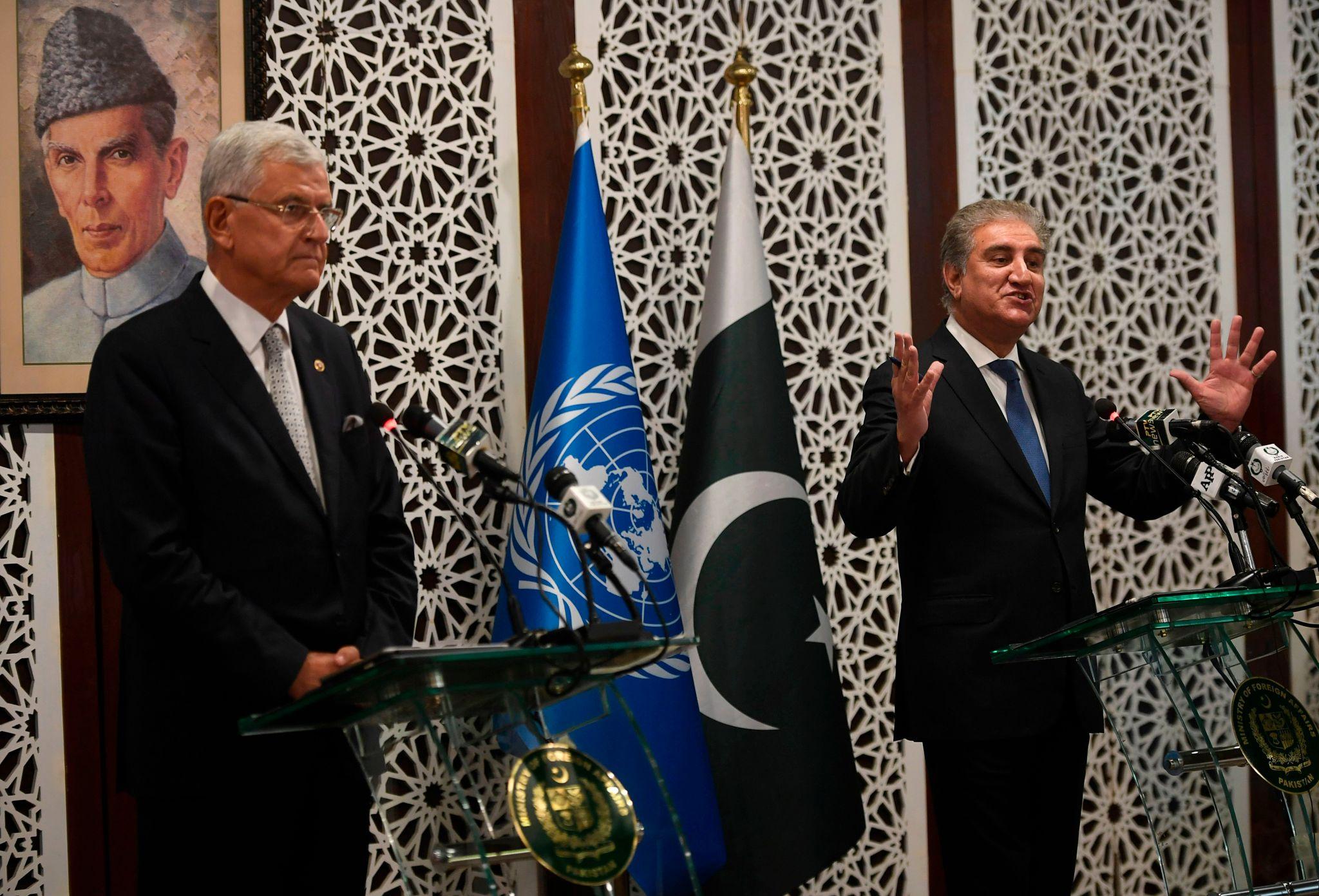
Islamabad, April 11, 2026 (Parliament Politics Magazine) Middle East peace talks update took a significant turn in 2026 as Pakistan intensified efforts to bring the United States and Iran into direct negotiations. With tensions between Washington and Tehran continuing to escalate, Islamabad is positioning itself as a key mediator to prevent further instability.
Officials confirmed that multiple diplomatic channels are being used to facilitate communication, aiming to reduce misunderstandings and create a foundation for broader peace discussions. The initiative reflects Pakistan’s strategic goal of promoting regional stability while strengthening its international diplomatic standing.
A senior official stated,
“This moment requires dialogue, not escalation. Pakistan is committed to helping both sides find common ground before the situation worsens.”
Rising Tensions Drive Urgency for Dialogue
The Middle East peace talks update comes at a time when geopolitical tensions are reaching critical levels. Military movements, economic sanctions, and political rhetoric have all contributed to a fragile environment that could escalate quickly without intervention.
Experts warn that the absence of direct communication between the United States and Iran increases the risk of miscalculation. Pakistan’s diplomatic push is therefore seen as both timely and necessary.
The international community has expressed concern that continued escalation could disrupt global markets and threaten regional security, making peace talks more urgent than ever.
Pakistan’s Strategic Role in Mediation
The Middle East peace talks update underscores Pakistan’s unique position as a bridge between conflicting parties. Maintaining relations with both the United States and Iran, Pakistan is able to engage in dialogue with each side while advocating for de-escalation.
This role is not without challenges, as balancing diplomatic relationships requires careful navigation of political sensitivities. However, Islamabad’s leadership has emphasized neutrality and a commitment to peaceful solutions.
Analysts believe that Pakistan’s involvement could help establish initial trust, even if only at a limited level, which is essential for meaningful negotiations.
Backchannel Diplomacy Gains Importance
Behind the scenes, the Middle East peace talks update suggests that backchannel diplomacy is playing a critical role. Informal discussions, facilitated by intermediaries, are often the first step toward formal negotiations.
Sources indicate that preliminary exchanges have focused on confidence-building measures, including reducing hostile rhetoric and exploring potential areas of agreement.
Such efforts are crucial in high-stakes conflicts where public negotiations may be politically sensitive or difficult to sustain.
Global Response to Peace Efforts
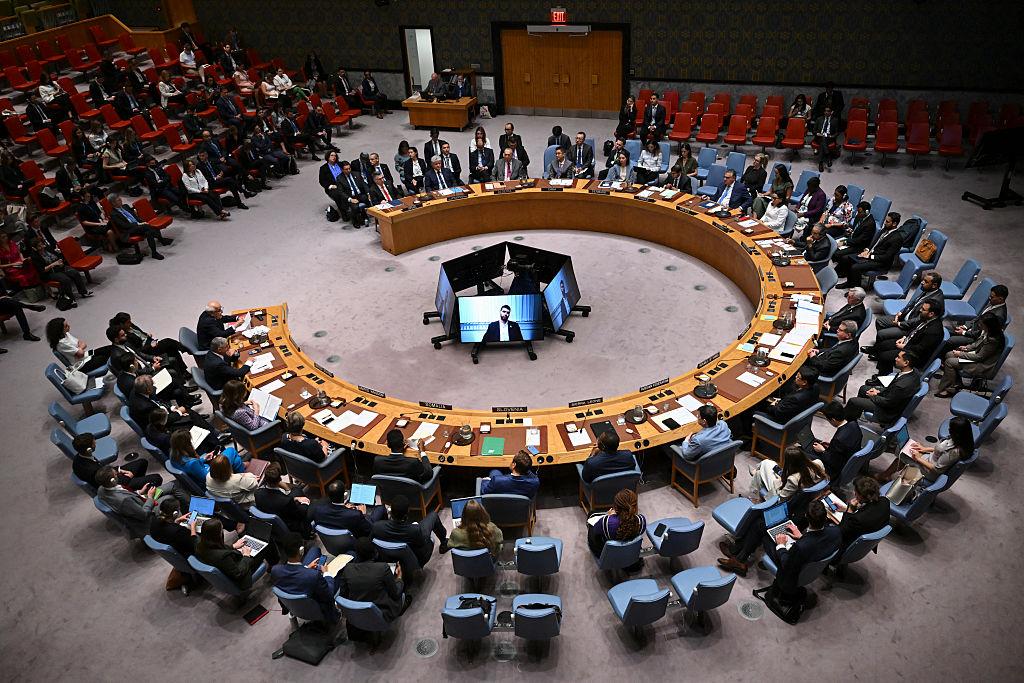
The Middle East peace talks update has drawn widespread attention from global leaders and institutions. Many countries have welcomed Pakistan’s initiative, viewing it as a constructive step toward reducing tensions.
International organizations have also emphasized the importance of dialogue, urging all parties to engage in peaceful negotiations. The broader global consensus is that diplomacy remains the most viable path forward.
However, some observers remain cautious, noting that deep-rooted disagreements between the United States and Iran may limit the scope of immediate progress.
Economic and Energy Market Implications
The Middle East peace talks update carries significant implications for global markets, particularly in the energy sector. The region plays a central role in oil production and supply, and any escalation could have far-reaching economic consequences.
By promoting dialogue, Pakistan’s efforts could help stabilize markets and reduce uncertainty. Investors are closely monitoring developments, as progress in talks could lead to improved economic conditions.
Energy prices, which have been volatile in recent months, may respond positively to signs of de-escalation.
Challenges That Could Delay Progress
Despite optimism, the Middle East peace talks update highlights several challenges that could hinder progress. Trust deficits between the United States and Iran remain a major obstacle, along with differing strategic priorities.
Domestic political pressures in both countries may also influence their willingness to engage in negotiations. Additionally, ongoing military activities and regional alliances could complicate the diplomatic landscape.
Experts caution that while the current efforts are promising, achieving a lasting resolution will require sustained commitment and compromise from all parties.
Public Messaging and Diplomatic Strategy
The Middle East peace talks update also reflects the importance of public messaging in shaping perceptions. Leaders must carefully manage their statements to support diplomatic efforts without undermining negotiations.
Pakistan’s approach has focused on promoting peace and cooperation, aiming to create a positive environment for dialogue. This strategy is intended to build confidence among stakeholders and encourage constructive engagement.
What Comes Next in Peace Talks?
Looking ahead, the Middle East peace talks update will depend on several key factors:
- Will the United States and Iran agree to formal direct negotiations?
- Can initial confidence-building measures lead to broader agreements?
- How will regional powers influence the process?
- Will economic pressures accelerate diplomatic efforts?
These questions will determine the direction and success of ongoing talks.
A Crucial Opportunity for De-Escalation
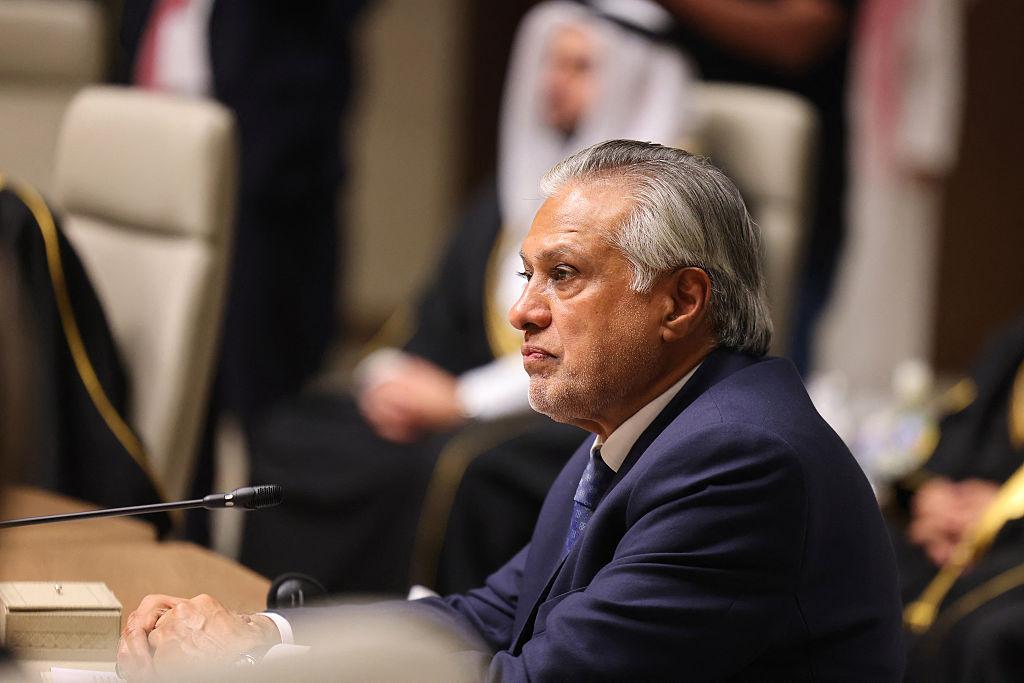
The Middle East peace talks update represents a critical opportunity to ease tensions and prevent further conflict. Pakistan’s efforts to facilitate dialogue between the United States and Iran highlight the importance of diplomacy in addressing global challenges.
While significant obstacles remain, the initiative has created a pathway for communication that could lead to meaningful progress. The coming weeks will be crucial in determining whether these talks can translate into lasting peace.
As the situation evolves, the world will continue to watch closely, hoping that dialogue prevails over conflict.