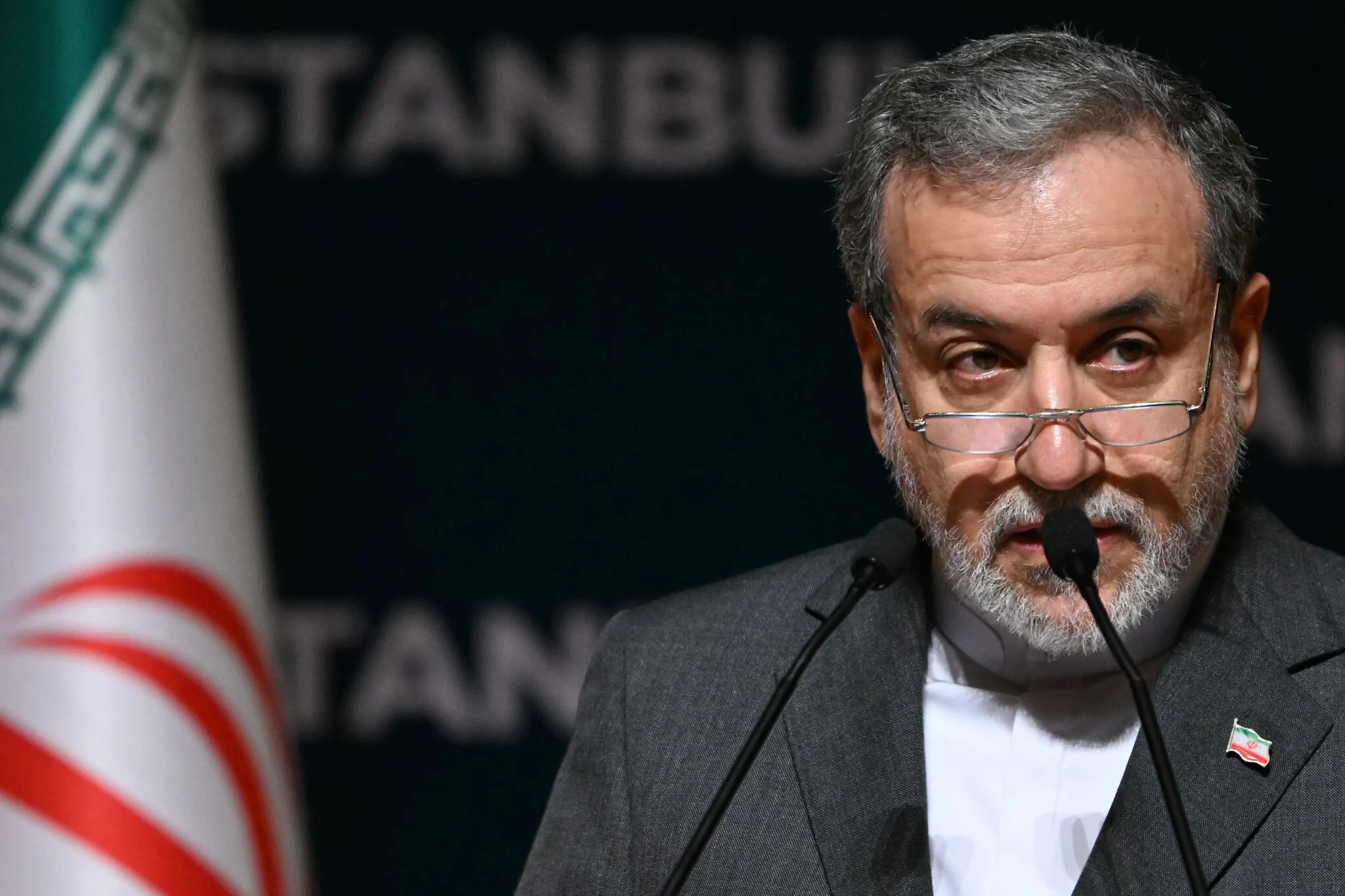
Middle East, April 04, 2026 (Parliament Politics Magazine)Middle East war resolution has become a central focus in 2026 as Hossein Amir-Abdollahian of Iran calls for “conclusive” and “lasting” terms to end the ongoing conflict. His remarks signal a growing shift toward comprehensive diplomacy instead of temporary ceasefire arrangements.
The statement comes amid continued instability across the region, with global stakeholders increasingly recognizing that short-term fixes are no longer sufficient. Calls for a durable peace framework are now gaining traction among international leaders.
Push for Long-Term Peace Agreements
The renewed focus on Middle East war resolution reflects frustration with repeated cycles of conflict. Temporary ceasefires have historically failed to produce sustainable outcomes, often collapsing under renewed tensions.
Iran’s position emphasizes the need for structured agreements that address underlying issues such as security guarantees, political frameworks, and economic recovery. These elements are considered essential for achieving lasting peace.
Diplomatic experts suggest that this shift could influence how negotiations are approached moving forward, prioritizing durability over speed.
Growing International Diplomatic Pressure
Efforts toward Middle East war resolution are being reinforced by increasing international pressure. Governments across Europe, Asia, and the Middle East are urging all parties to engage in meaningful dialogue.
Iran’s call for lasting terms may act as a catalyst for renewed negotiations. By clearly outlining its expectations, Tehran is positioning itself as an active participant in shaping the future of regional stability.
A senior geopolitical analyst stated:
“Middle East war resolution will only succeed if all sides commit to enforceable and lasting agreements.”
Regional Stability and Security Implications
The importance of Middle East war resolution extends beyond immediate conflict zones. Stability in the region is critical for economic development, security cooperation, and humanitarian conditions.
A lasting agreement could reduce tensions between neighboring countries and create opportunities for rebuilding infrastructure and restoring normalcy. However, achieving this outcome will require coordinated efforts from multiple stakeholders.
The complexity of regional dynamics means that negotiations will likely face significant challenges.
Impact on Global Energy Markets
Middle East war resolution is closely tied to global energy stability. The region plays a vital role in oil and gas production, and ongoing conflict has contributed to market volatility.
A conclusive peace agreement could stabilize supply chains and reduce uncertainty, benefiting global economies. Energy markets are particularly sensitive to developments in the Middle East, making diplomatic progress a key factor in forecasting.
Investors and policymakers are closely monitoring the situation for signs of lasting change.
Obstacles to Achieving Resolution
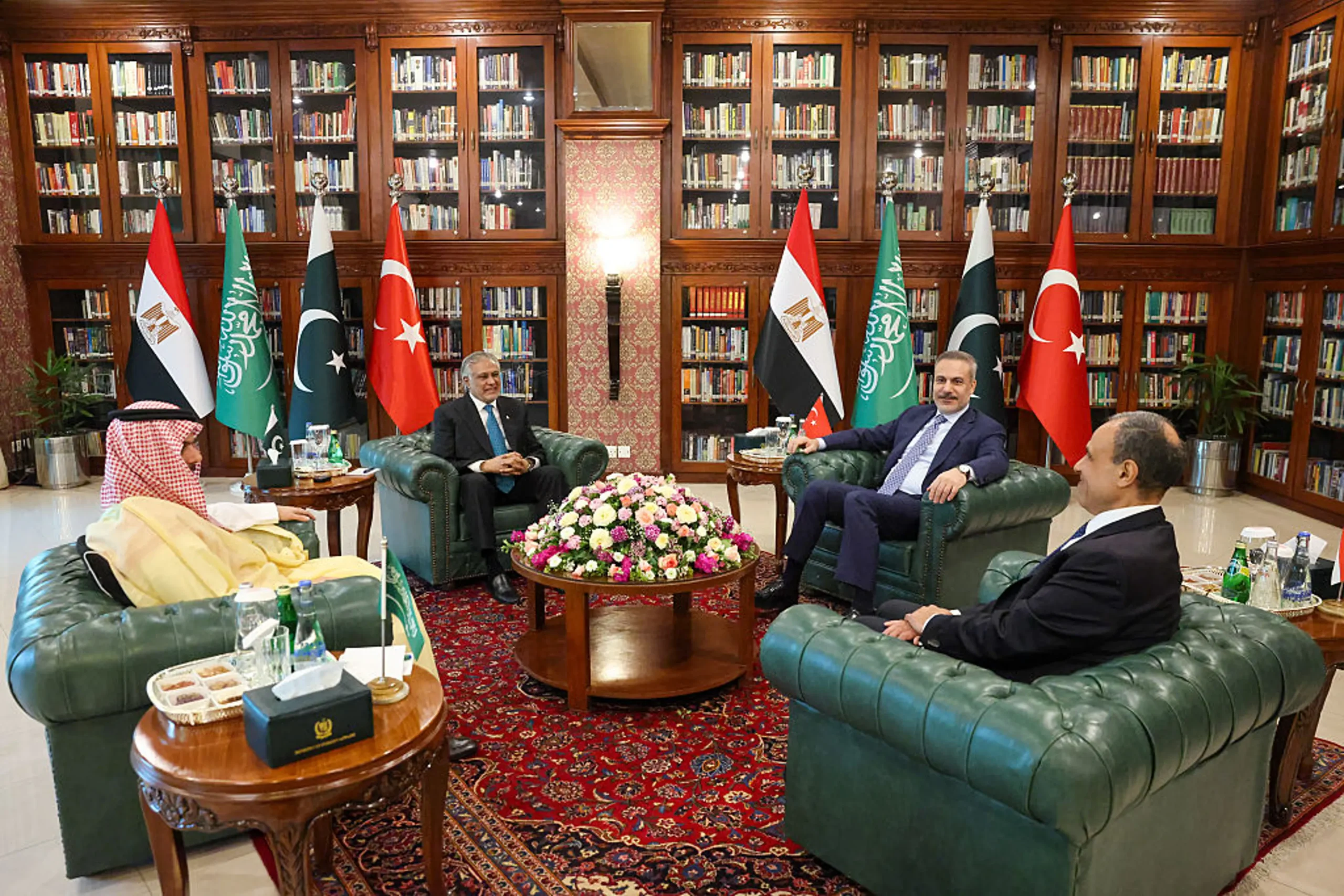
Despite the momentum, several obstacles remain in achieving Middle East war resolution. Deep-rooted political and ideological differences continue to complicate negotiations.
Key issues include territorial disputes, security arrangements, and international sanctions. Building trust among parties with a history of conflict will be one of the most significant challenges.
Additionally, aligning the interests of regional and global actors adds another layer of complexity.
International Response and Expectations
The global response to calls for Middle East war resolution has been cautiously optimistic. While there is broad support for lasting peace, skepticism remains regarding the feasibility of achieving such an outcome.
Nevertheless, the emphasis on durable agreements has created a sense of urgency in diplomatic circles. International organizations and mediators are expected to play a crucial role in facilitating discussions.
The coming weeks may provide clearer indications of whether these efforts will lead to tangible progress.
What Middle East War Resolution Means Going Forward
“True peace in the Middle East will depend not on temporary ceasefires, but on agreements built to last.”
What Comes Next in Peace Efforts
The next phase of Middle East war resolution efforts will focus on translating diplomatic rhetoric into actionable agreements. Negotiators are expected to work on defining clear terms, timelines, and enforcement mechanisms.
These elements are critical for ensuring that any agreement is both credible and sustainable. Continued engagement from all parties will be necessary to maintain momentum.
Observers anticipate that upcoming discussions could shape the trajectory of the region for years to come.
Key Takeaways From Iran’s Call
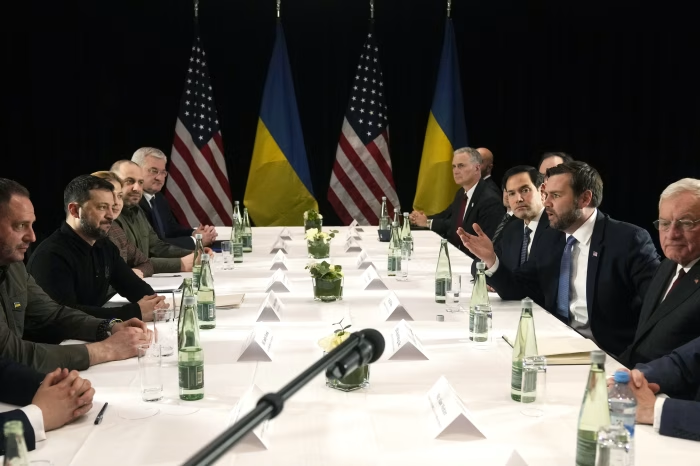
Middle East war resolution has emerged as a defining issue in global diplomacy. Iran’s call for conclusive and lasting terms highlights the need for comprehensive solutions to longstanding conflicts.
While challenges remain, the focus on durable agreements offers a pathway toward stability. The success of these efforts will depend on cooperation, compromise, and sustained commitment from all stakeholders.
As negotiations continue, the world will be watching closely to see whether this push leads to meaningful and lasting peace.