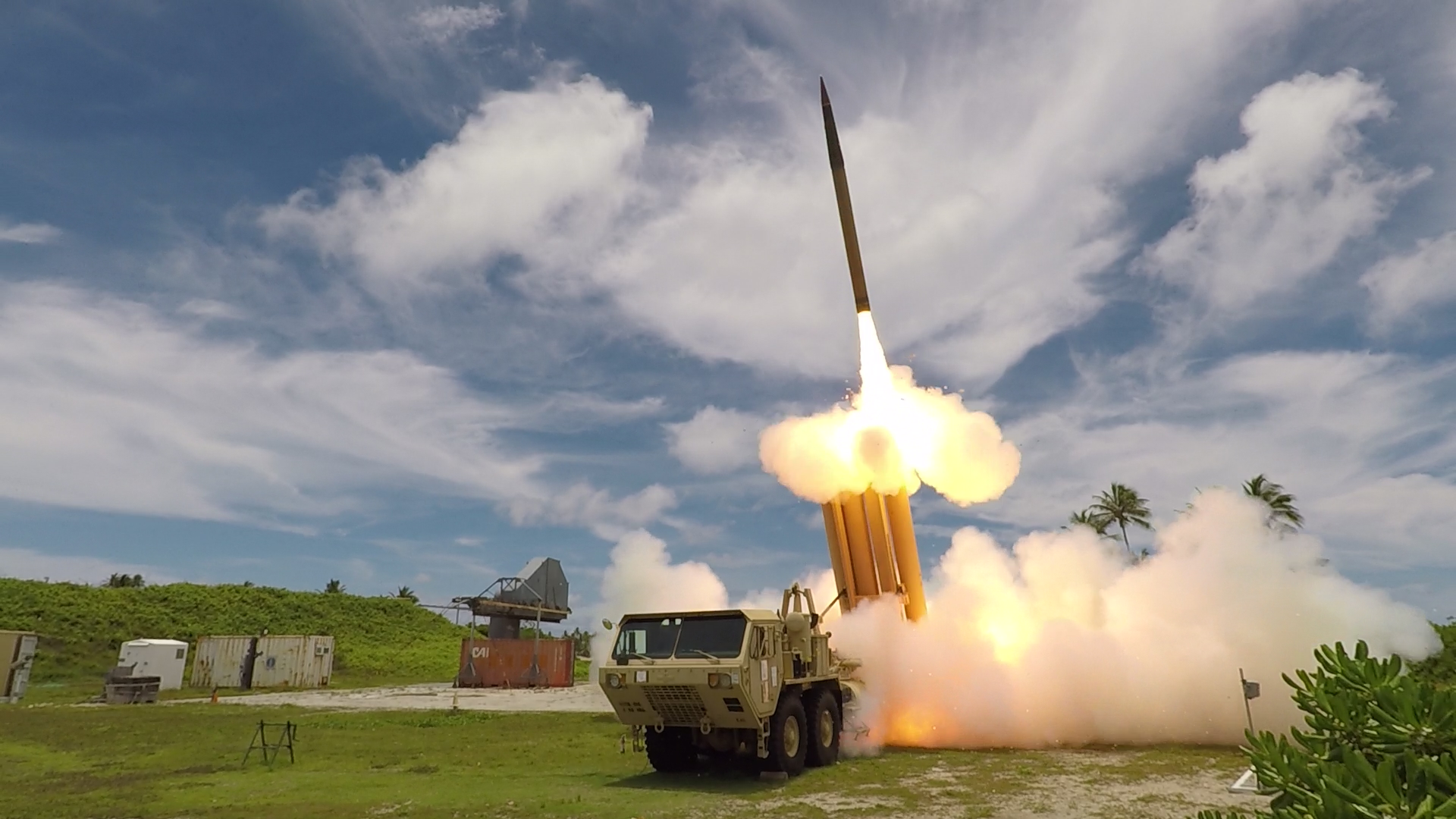
Tel Aviv / Tehran, April 05, 2026 (Parliament Politics Magazine) Middle East war risk has intensified sharply after Israel claimed it conducted approximately 120 strikes targeting Iranian air defense systems and missile infrastructure within a 24-hour period. The announcement signals one of the most aggressive escalations in direct tensions between Israel and Iran in recent years.
Officials stated the strikes were aimed at neutralizing threats and limiting Iran’s missile capabilities, but the scale of the operation has raised global concerns about the potential for broader conflict.
Details of the 120 Strikes
The Middle East war risk has grown as details emerge about the scope of the reported attacks. Israeli defense sources indicate that multiple targets were hit, including:
- Air defense radar systems
- Missile launch facilities
- Strategic storage sites
Military analysts suggest the strikes were highly coordinated, reflecting advanced intelligence and operational planning.
A senior defense official stated:
“These actions are necessary to reduce immediate threats and ensure national security.”
The intensity of the operation has drawn widespread attention from global security experts.
Iran’s Response Raises Stakes
Following the strikes, Iranian officials condemned the actions and warned of potential retaliation. The response has further elevated Middle East war risk, with increased military readiness reported across Iranian forces.
An Iranian spokesperson stated:
“We will defend our sovereignty and respond to any aggression at a time and place of our choosing.”
This rhetoric has heightened fears that the situation could escalate rapidly.
Strategic Implications for the Region
The Middle East war risk is now a central concern for policymakers and analysts worldwide. Targeting air defense systems could significantly impact Iran’s ability to respond to future operations.
Key implications include:
- Increased vulnerability of Iranian infrastructure
- Greater operational freedom for future strikes
- Heightened probability of retaliatory attacks
- Expansion of conflict beyond initial targets
Experts warn that such developments could shift the balance of power in the region.
Global Reaction and Diplomatic Pressure
International leaders have expressed concern over rising Middle East war risk, urging both sides to exercise restraint. Diplomatic channels are reportedly being explored to prevent further escalation.
Global organizations have emphasized the importance of de-escalation, warning that continued military actions could destabilize the entire region.
Economic and Security Impact
The increase in Middle East war risk is already affecting global markets and security dynamics.
Economic Effects
- Rising oil prices due to supply concerns
- Increased volatility in financial markets
- Higher shipping and insurance costs
Security Effects
- Expanded military presence in key regions
- Increased cyber and hybrid warfare risks
- Greater involvement of international alliances
Investors and policymakers are closely monitoring the situation for further developments.
Military Capabilities and Operations
The scale of the strikes underscores the advanced capabilities involved in modern warfare. Analysts believe the operations included:
- Precision-guided weapons
- Real-time intelligence coordination
- Advanced surveillance technologies
These capabilities highlight how rapidly military engagements can escalate in today’s geopolitical environment.
Risk of Wider Conflict
The Middle East war risk has significantly increased as both sides signal readiness for further action. Analysts warn that continued escalation could draw in additional regional and global actors.
Possible scenarios include:
- Limited Engagement – Controlled responses to avoid escalation
- Expanded Conflict – Broader military involvement
- Diplomatic Resolution – Efforts to de-escalate tensions
Each scenario carries serious implications for global stability.
Expert Analysis
Security experts emphasize that the current situation reflects a critical moment for regional security.
One analyst noted:
“The pace and scale of these strikes are alarming. The Middle East war risk is now at one of its highest levels in years.”
Others warn that miscalculations could quickly lead to unintended consequences.
Middle East War Risk: What Happens Next
The Middle East war risk continues to dominate global headlines as the situation develops. Both Israel and Iran appear prepared for further escalation, while international leaders push for diplomatic solutions.
The coming days will be crucial in determining whether tensions escalate further or move toward de-escalation.
What Happens Next
The Middle East war risk has surged following Israel’s claim of 120 strikes on Iranian air defense systems within a single day.
With both sides signaling readiness for further action, fears of a broader conflict are growing. Global markets and security agencies remain on high alert.
As events unfold, the Middle East war risk could become a defining factor in global stability.