


WASHINGTON / TEHRAN, March 30, 2026 (Parliament Politics Magazine) Middle East war tensions intensified sharply after renewed threats targeting Iran’s critical energy infrastructure, including the strategic Kharg Island. The development has triggered widespread concern among global leaders, raising fears of escalation with significant economic and geopolitical consequences.
The situation underscores the fragile balance in the region, where any disruption to energy facilities could have immediate global repercussions.
Strategic Importance of Iran’s Energy Infrastructure
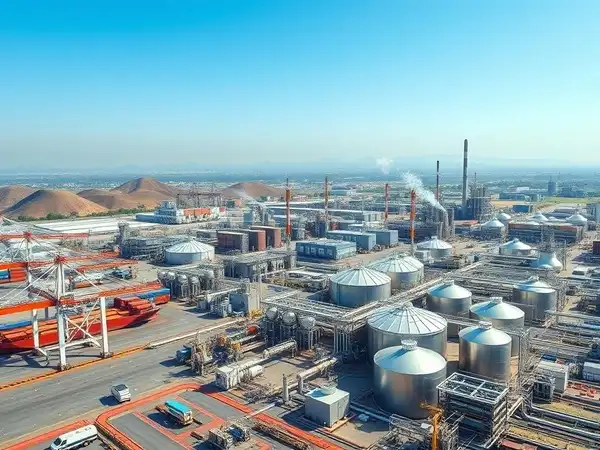
Kharg Island remains one of the most vital oil export terminals in the region, handling a substantial share of Iran’s crude shipments. Any threat to this hub could disrupt global oil supplies and create ripple effects across international markets.
As Middle East war tensions increase, energy security has become a central concern for governments and investors worldwide.
Experts warn that targeting such infrastructure could significantly impact not only Iran’s economy but also global supply chains.
Global Alarm Over Escalating Risks
The recent developments have prompted urgent reactions from international stakeholders. Governments across Europe, Asia, and the Middle East have called for restraint and emphasized the need for diplomatic engagement.
Middle East war tensions are now being closely monitored as a key risk factor for global stability. Analysts warn that further escalation could lead to unpredictable consequences.
A senior geopolitical analyst stated:
“Escalation involving energy infrastructure could rapidly expand beyond regional boundaries.”
Impact on Global Energy Markets
Energy markets have responded with increased volatility, reflecting concerns over potential disruptions. Iran plays a significant role in global oil production, and any instability affecting its export capacity could drive prices higher.
Middle East war tensions are therefore having a direct influence on market behavior, with investors closely tracking developments.
The possibility of supply disruptions has already begun to shape expectations in global energy trading.
Potential Regional Responses
Regional dynamics remain complex, with multiple actors closely watching the situation. Any escalation could lead to responses that further intensify tensions.
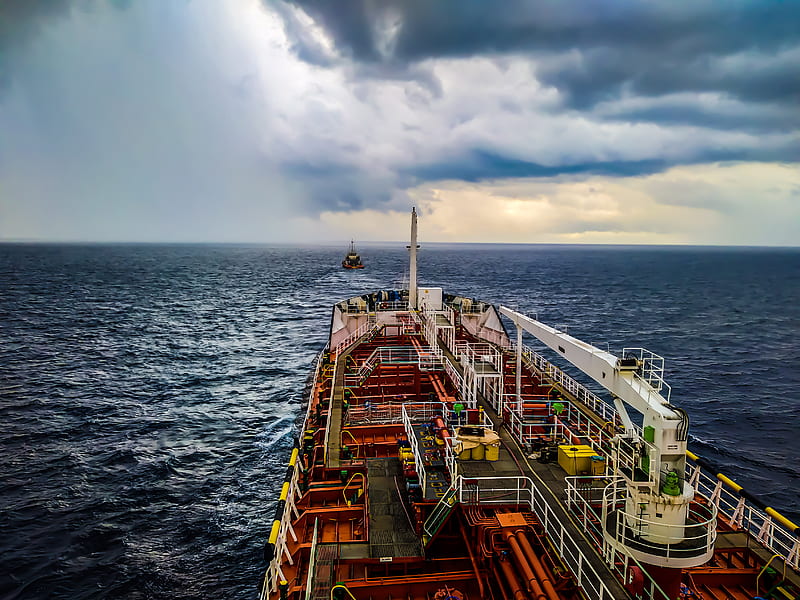
Shipping routes such as the Strait of Hormuz are particularly vulnerable. Disruptions in this area could significantly impact global oil flows.
As Middle East war tensions continue to rise, the risk of broader regional involvement cannot be ruled out.
Diplomatic Efforts Continue
Despite the heightened tensions, diplomatic efforts are ongoing. Countries around the world are working to prevent escalation and encourage dialogue between key parties.
International organizations have reiterated the importance of peaceful solutions, urging all sides to avoid actions that could worsen the situation.
Middle East war tensions remain high, but there is still hope that diplomacy can prevent further escalation.
Historical Context of Regional Conflict
The Middle East has long been a focal point of geopolitical tension, with conflicts often centered around energy resources and strategic positioning.
Past incidents have demonstrated how quickly situations can escalate, particularly when critical infrastructure is involved.
Middle East war tensions today reflect a continuation of these long-standing challenges, highlighting the need for sustained diplomatic engagement.
Economic Risks Extend Globally
The potential economic impact of the current situation is significant. Rising oil prices could affect inflation, trade, and economic growth worldwide.
For energy-dependent economies, stability in the Middle East is essential. Disruptions could lead to increased costs and reduced economic activity.
Middle East war tensions are therefore not only a regional issue but a global economic concern.
Strategic Implications for Global Security
The targeting of energy infrastructure represents a major escalation in strategic terms. Such actions could alter regional dynamics and prompt responses from global powers.
Middle East war tensions are now influencing broader security considerations, with countries reassessing their positions and strategies.
The situation highlights the interconnected nature of modern geopolitics.
International Calls for Restraint
Leaders worldwide have emphasized the importance of avoiding escalation. Calls for restraint have been consistent across multiple regions, reflecting shared concerns about the potential consequences.
Middle East war tensions have reinforced the urgency of diplomatic solutions, with many advocating for renewed negotiations.
What Lies Ahead
The situation remains fluid, with multiple possible outcomes depending on future developments. Continued diplomatic engagement could lead to de-escalation, while further escalation could increase risks.
Middle East war tensions will likely remain a key focus for global policymakers in the coming weeks.
Observers stress that careful management of the situation will be essential to avoid unintended consequences.
A Critical Moment for Global Stability
Middle East war tensions have reached a critical point as threats targeting Iran’s energy infrastructure raise global concerns. The potential impact on energy markets, regional stability, and global security is significant.
In summary:
Middle East war tensions are shaping global developments, with diplomacy, economic stability, and security all at stake as the situation continues to evolve.
