US and Israel intensify strikes across key targets, raising global concern.
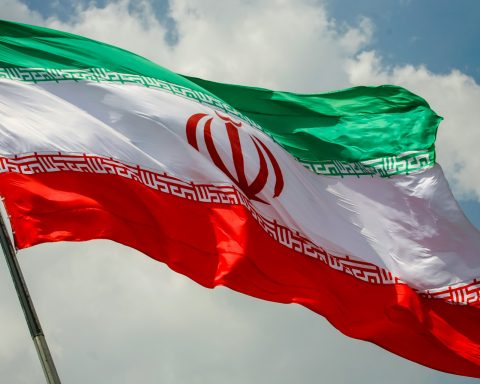
Tehran vows retaliation, warning of serious consequences.
A senior official resigns as tensions escalate rapidly.
WASHINGTON, April 03, 2026 (Parliament Politics Magazine) Military escalation news is dominating global headlines as the United States and Israel expand coordinated strikes, while Tehran has issued firm warnings of retaliation. The latest developments come amid rising tensions that many analysts believe could shift the region toward a broader and more dangerous confrontation.
According to officials familiar with the situation, recent military operations have targeted strategic assets believed to be linked to Iran’s regional influence. The frequency and precision of these strikes indicate a deliberate effort to weaken operational capabilities while maintaining pressure.
Top Counterterrorism Official Resigns in Protest
In a significant development, a senior counterterrorism official has stepped down in protest of the expanding military campaign. Sources close to the matter suggest the resignation reflects deep concerns within policy circles about the long-term consequences of escalating actions.
The official reportedly warned that continued escalation could increase instability rather than reduce threats. The resignation highlights internal divisions at a critical moment when decisions carry global implications.
One source familiar with the situation stated:
“There is growing concern that the current trajectory could lead to unintended consequences that extend far beyond the immediate conflict.”
Strikes Intensify Across Strategic Targets
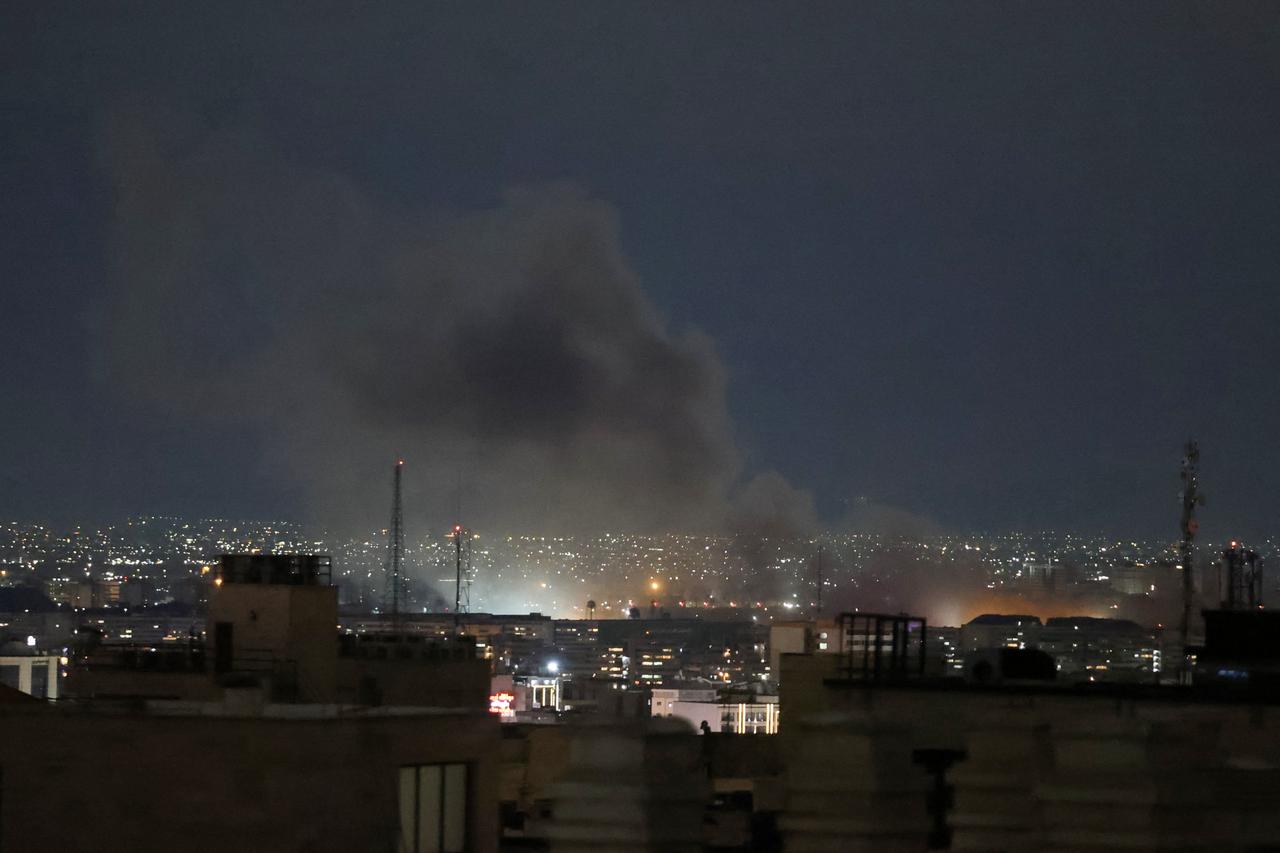
Recent days have seen a noticeable increase in strike activity, with multiple locations reportedly hit in coordinated operations. While official confirmations remain limited, analysts suggest the targets were selected to disrupt infrastructure and command systems.
The scale of these operations reflects a broader shift in strategy. Defense experts believe the goal is to limit Iran’s ability to project influence while signaling readiness to escalate further if necessary.
However, such actions carry inherent risks, particularly in a region where tensions can escalate rapidly.

Tehran Issues Strong Retaliation Warning
Iranian leadership has responded with strong statements condemning the strikes and promising retaliation. Officials described the attacks as violations of sovereignty and emphasized that a response would be forthcoming.
A senior Iranian representative stated:
“Any aggression against our territory or interests will be met with a firm and calculated response.”
This message signals both intent and capability, reinforcing concerns that the situation could escalate further.
Rising Global Concern Over Escalation
The unfolding military escalation news has drawn attention from governments and international organizations worldwide. Several countries have called for restraint, warning that continued escalation could destabilize the region.
Diplomatic efforts are ongoing, though progress appears limited as positions harden on both sides. Analysts note that the current pace of developments leaves little room for sustained negotiations.
Strategic Calculations Behind the Conflict
The current situation reflects complex strategic calculations. For the United States and Israel, the objective appears to be preventing perceived threats from reaching critical levels. For Iran, the focus remains on deterrence and maintaining influence.
This balance is increasingly difficult to sustain as both sides escalate actions. Experts warn that even minor miscalculations could trigger broader consequences.
Economic and Energy Market Impact
The impact of the military escalation news is already being felt in global markets. Energy prices have shown volatility amid concerns over potential supply disruptions.
Key transit routes remain under close watch, as any disruption could have immediate and widespread economic effects. Market analysts are closely monitoring developments for signs of further escalation.
Regional Stability at Risk
The broader region remains highly sensitive to changes in military activity. Neighboring countries are preparing for potential fallout, including security threats and economic disruption.
There is also concern about the involvement of additional actors, which could expand the scope of the conflict and complicate efforts to stabilize the situation.
One geopolitical analyst noted:
“We are approaching a tipping point where containment becomes increasingly difficult.”
Diplomatic Channels Under Pressure
Despite rising tensions, diplomatic channels remain active. However, the rapid pace of military developments is making it difficult to achieve meaningful progress.
Trust deficits and competing objectives continue to hinder negotiations, leaving the situation uncertain.
Observers suggest that without coordinated international efforts, the chances of de-escalation remain limited.
What Comes Next?
The coming days are expected to be critical. While all parties appear cautious about triggering a full-scale war, the increasing intensity of actions suggests that the situation could evolve quickly.
Key factors to watch include:
- Further strike activity
- Retaliatory measures from Tehran
- Diplomatic breakthroughs or failures
The outcome will likely shape regional stability for the foreseeable future.
A Critical Turning Point
The military escalation news surrounding US and Israeli strikes and Tehran’s response marks a pivotal moment. The resignation of a senior counterterrorism official underscores the seriousness of the situation and the divisions within decision-making circles.
As tensions continue to rise, the risk of broader conflict grows. Global markets, regional stability, and international security are all being affected.
If diplomatic efforts fail to gain traction, the world may be entering a prolonged period of uncertainty and heightened geopolitical risk.