

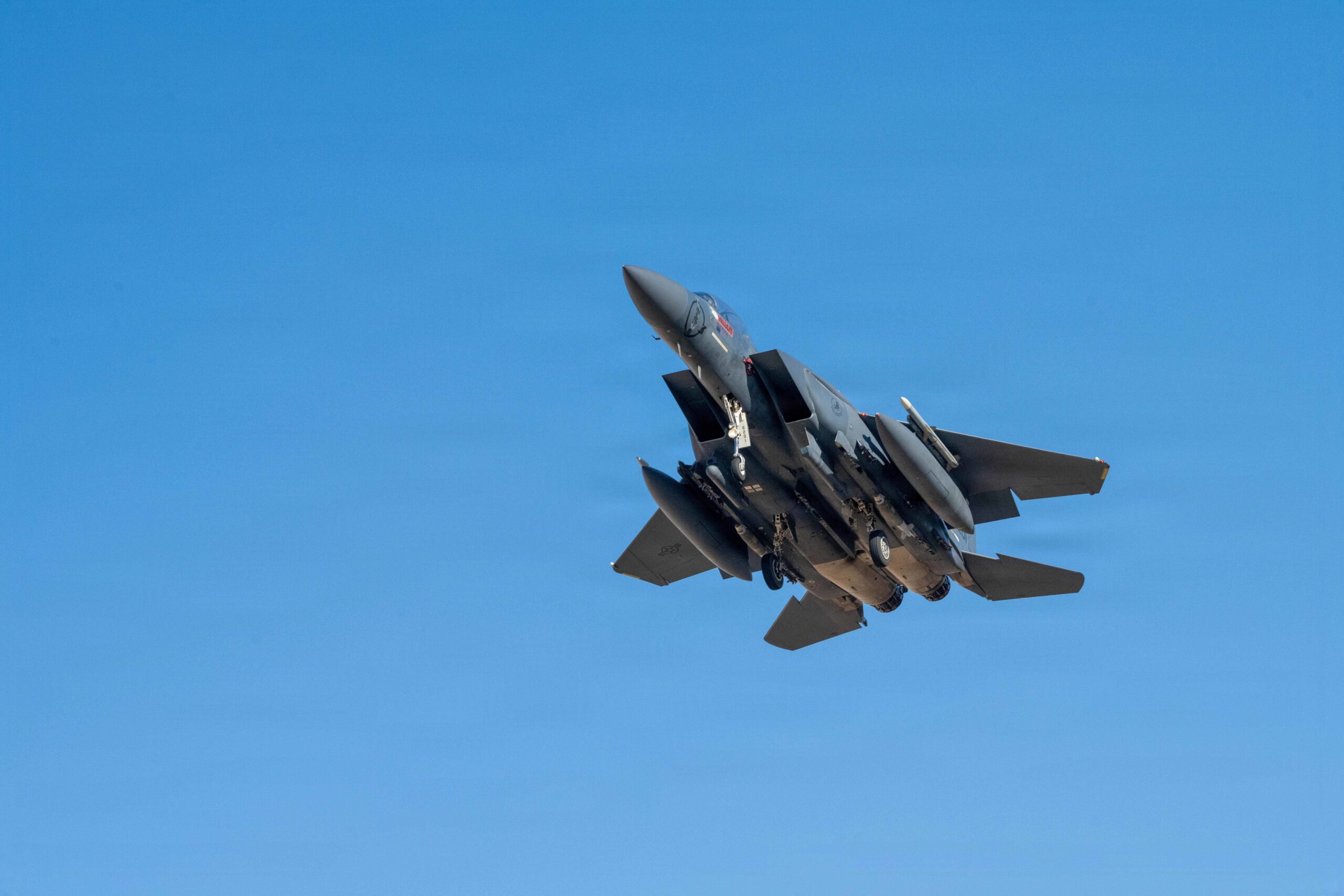
Washington / Middle East, April 03, 2026 (Parliament Politics Magazine) military escalation risk is now at the center of global attention after reports emerged that a jet may have been downed during heightened tensions involving the United States and Iran. While confirmation remains limited, the situation has sparked urgent discussions among policymakers, military analysts, and international observers.
The uncertainty surrounding the incident is not only about what happened—but what happens next. In a region already under pressure, even a single military event can trigger a chain reaction with far-reaching consequences.
Unclear Details Add to Military Escalation Risk
Early information about the reported downed jet remains inconsistent. Officials have refrained from confirming specifics, highlighting the complexity of intelligence gathering in active conflict zones.
This lack of clarity is a key factor driving military escalation risk, as decision-makers must operate without full visibility. Acting too quickly could result in unintended consequences, while waiting too long may invite further instability.
A defense expert noted,
“In situations like this, uncertainty becomes the most dangerous variable. It increases pressure while limiting options.”
Why Military Escalation Risk Is Rising Rapidly
Several critical elements are contributing to the growing military escalation risk:
Strategic Pressure from Multiple Fronts
The United States faces competing demands—from demonstrating strength to avoiding a broader war. This dual pressure complicates any immediate response.
Regional Fragility
The Middle East remains highly sensitive to shifts in military activity. Any retaliation could extend beyond bilateral conflict and involve additional actors.
Intelligence Gaps
Incomplete or conflicting reports about the downed jet create hesitation, but also heighten uncertainty, increasing overall risk.
Global Stakeholder Reactions
Allies and adversaries alike are closely watching. Their responses could either stabilize or intensify the situation.
Measured Signals from Washington
Officials in Washington have indicated a cautious approach, prioritizing intelligence verification and consultation with allies before taking action.
This strategy reflects awareness of the high military escalation risk tied to any premature move. Leaders appear focused on balancing deterrence with restraint.
A policy analyst explained,
“Every decision now carries amplified consequences. Even a limited response could trigger unintended escalation.”
Possible Outcomes as Military Escalation Risk Grows
Experts suggest several potential scenarios depending on how the situation unfolds:
Targeted Military Action
A controlled strike could be used to send a strategic message while attempting to limit broader conflict.
Diplomatic Measures
Sanctions, negotiations, and international pressure may be prioritized over direct confrontation.
Delayed Response
Authorities may choose to gather more intelligence before making any visible move, maintaining strategic ambiguity.
Expanded Conflict Scenario
Although less likely, a rapid escalation cannot be ruled out if tensions intensify further.
Each scenario carries its own level of military escalation risk, making decision-making highly complex.
Global Markets React to Rising Military Escalation Risk
Financial markets have begun responding to the uncertainty. Energy prices, particularly oil, are showing signs of volatility as investors react to potential disruptions.
International markets are also adjusting, reflecting broader concerns about stability. Defense sectors have seen increased attention, while risk-sensitive assets remain under pressure.
An economic observer stated,
“Markets don’t wait for confirmation—they react to risk. And right now, military escalation risk is driving that reaction.”
Information Warfare Intensifies the Situation
Beyond physical conflict, information plays a crucial role in shaping outcomes. Competing narratives, unverified reports, and rapid news cycles contribute to heightened tensions.
The spread of incomplete information can amplify military escalation risk, influencing public perception and policy decisions simultaneously.
Governments must now manage not only military strategy but also the flow of information in real time.
Domestic and Political Pressures Mount
Within the United States, political leaders are divided on how to respond. Some advocate for decisive action, while others warn against entering a prolonged conflict.
Public sentiment is also a factor. Concerns about economic stability, global security, and war fatigue are shaping the broader conversation.
This internal dynamic adds another layer to the already complex military escalation risk.
Historical Lessons Influence Current Strategy
Past conflicts between the United States and Iran continue to inform present decisions. Historical patterns show that rapid escalation can lead to prolonged instability.
This awareness appears to be influencing the cautious tone from officials, as they seek to avoid repeating previous mistakes.
What Happens Next Remains Unclear
At this stage, military escalation risk remains elevated, with no definitive course of action announced. The coming days are expected to be critical as more information becomes available.
Decision-makers face a narrow path—one that requires balancing strength, caution, and long-term strategic goals.
What This Means for Global Stability
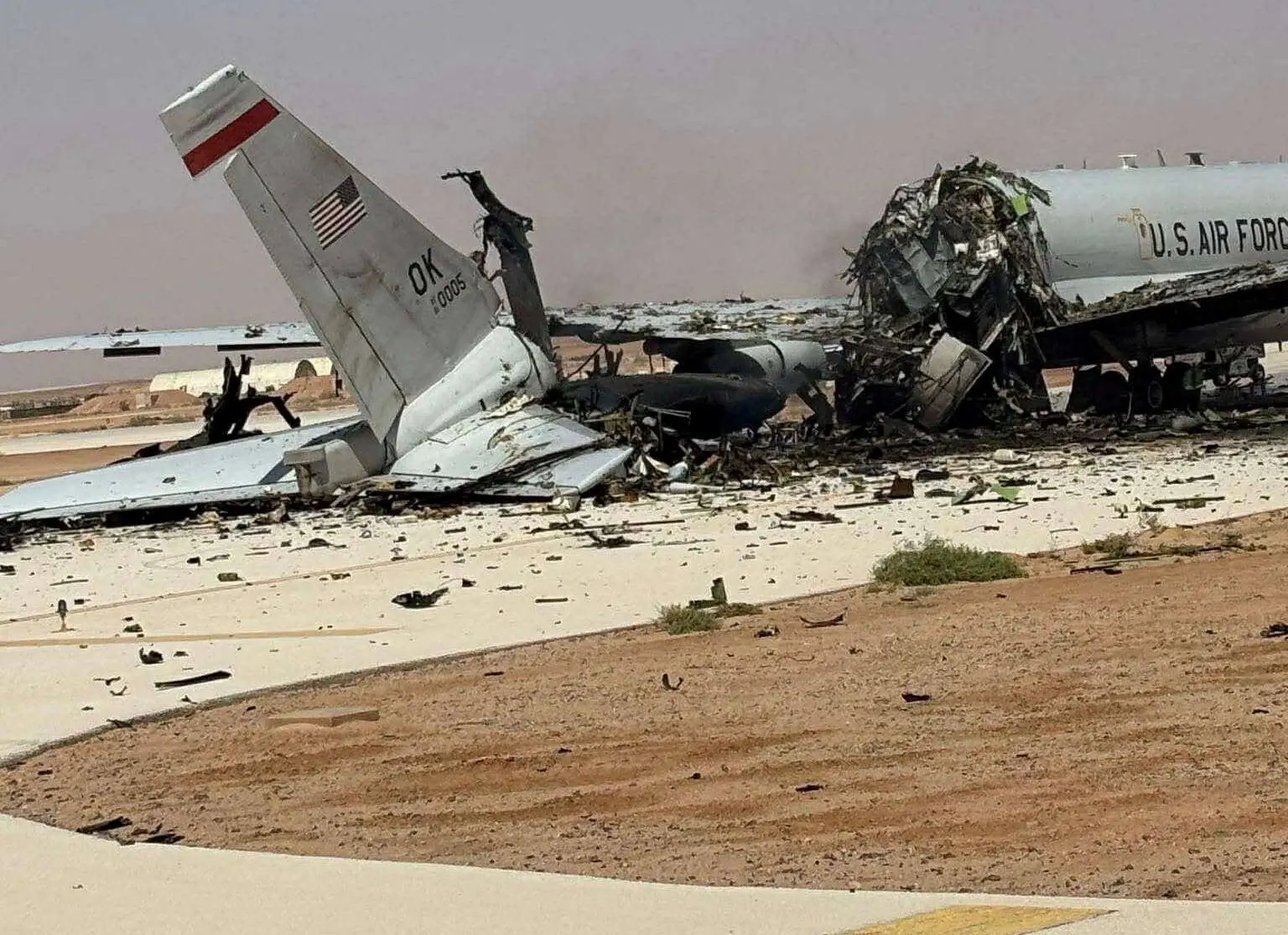
Military escalation risk has surged following reports of a downed jet amid US-Iran tensions.
Uncertainty over facts and response options is driving global concern and market volatility.
The next move by the United States could define the trajectory of regional and global stability.
