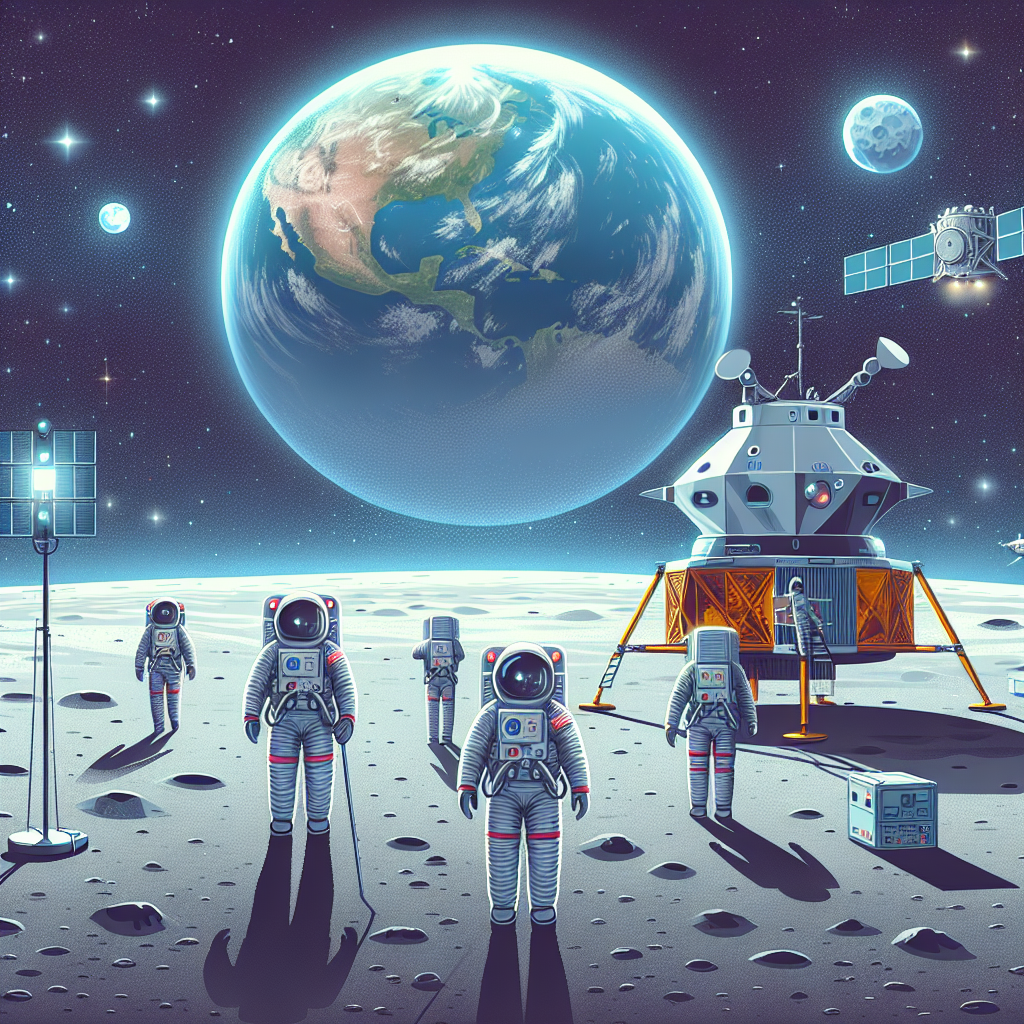
NASA Set to Reveal Artemis II Astronaut Mission Details
NASA is gearing up to provide a significant update on its ambitious Artemis II astronaut mission, which aims to return humans to the Moon for the first time since the Apollo program. The press conference is scheduled for September 15, 2023, at the agency’s Johnson Space Center in Houston, Texas. This mission represents a crucial step in NASA’s broader goal of establishing a sustainable human presence on the lunar surface by the end of the decade.
Key Developments in the Artemis II Mission
Artemis II is poised to play a pivotal role in NASA’s journey back to the Moon. The mission marks a historic step as it will be the first crewed flight to lunar orbit since Apollo 17 in 1972. A crew of four astronauts will embark on this mission, including a pilot who will orbit the Moon before heading back to Earth. This mission is vital not just for lunar exploration, but also for laying the groundwork for future missions to Mars.
NASA has not disclosed the names of the astronauts yet, but the agency is expected to announce them during the press conference. This mission aims to build on the achievements of Artemis I, an uncrewed test flight that successfully demonstrated the capabilities of the Space Launch System (SLS) and the Orion spacecraft. The Artemis II mission will test critical technologies and operational protocols that are essential for the success of subsequent missions.
Outlining the Artemis Program
The Artemis program consists of multiple missions aimed at landing humans back on the Moon, exploring the lunar surface, and eventually setting the stage for human exploration of Mars. Artemis II will particularly target the lunar South Pole, a region of great scientific interest due to its potential water ice deposits. The presence of water on the Moon opens up possibilities for sustainable human habitation and fuel production for future deep-space missions.
NASA Administrator Bill Nelson has emphasized the importance of international collaboration in the Artemis program. The mission not only involves U.S. astronauts but also aims to integrate international partners and commercial space industries, broadening the horizons of space exploration.
The Significance of the Update
The upcoming press conference will elucidate NASA’s plans for Artemis II, emphasizing not just the technical aspects but also the historical significance of the mission. The agency aims to inspire a new generation of explorers, scientists, and engineers, rekindling public interest in space exploration. Tapping into the public’s imagination and curiosity is vital, particularly given the complexities and challenges of modern space missions.
Experts suggest that this update could also shed light on the timeline for future Artemis missions and elaborate on NASA’s long-term vision. Given the tight schedules and numerous challenges involved in lunar and deep-space missions, NASA’s transparency regarding its plans will be critical for public trust and support.
What’s Next for Artemis II?
Following the mission update, NASA will likely address logistical and technical challenges that the Artemis II crew will encounter. This includes the mission’s trajectory, the deep-space navigation systems, and coordinating with various international partners. The integration of these technologies and systems is paramount for a safe and successful mission to the Moon.
NASA had previously faced delays and budget constraints that have impacted the timeline of the Artemis program. The update could potentially clarify how the agency intends to mitigate these issues and meet its ambitious goals. Moreover, NASA officials are expected to outline how lessons learned from Artemis I will influence the planning and execution of Artemis II and subsequent missions.
Increasing Engagement and Public Interest
To enhance public engagement, NASA has been utilizing social media and various outreach programs to keep audiences informed about the Artemis program’s advancements. The announcement of crew members, mission objectives, and upcoming milestones are all designed to maintain momentum and interest.
Educational initiatives are also a part of NASA’s strategy. Schools and educational institutions are invited to learn about lunar missions, encouraging students to pursue careers in STEM fields (science, technology, engineering, and mathematics). The Artemis II mission serves as a focal point for these educational efforts, highlighting the exciting possibilities of space exploration.
Conclusion
As the countdown begins for the NASA press conference on September 15, the excitement around the Artemis II mission continues to build. This mission is anticipated not only for the technology and exploration it represents but also for its potential to inspire a new era of space exploration. With crucial updates on astronaut selection, mission specifics, and strategies for lunar exploration, NASA aims to provide a comprehensive overview that highlights the significance of returning humans to the Moon.
Stay tuned for updates and more information following the press conference, as NASA provides the latest insights into this historic mission and its impacts on future explorations. The Artemis II mission stands as a testament to human ingenuity and a shared vision for space exploration that transcends borders.
In the coming days and weeks, all eyes will be on NASA as they prepare to share the latest developments of the Artemis II mission — an event anticipated to captivate audiences and historians alike.