

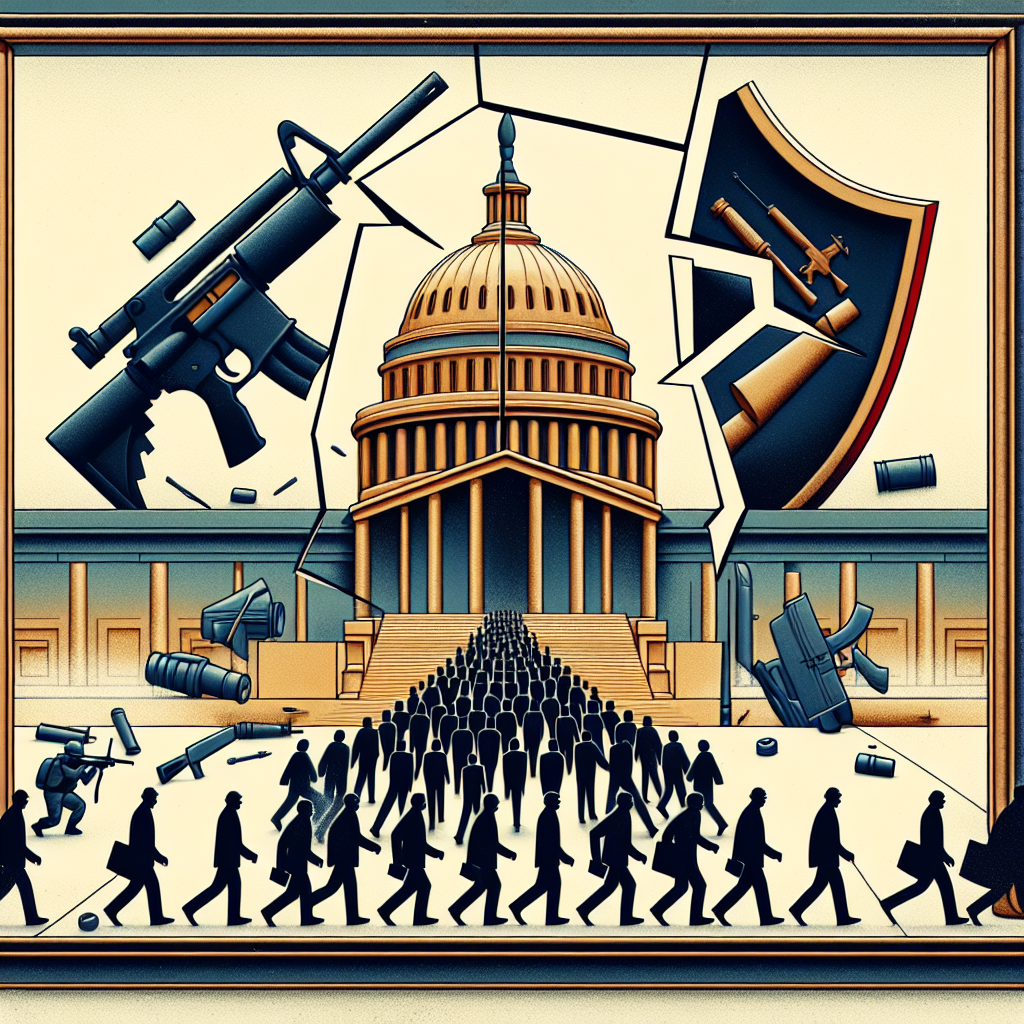
Headline: Liberal MPs Defy Government as NDP Arms-Control Bill Fails
In a significant political clash, the New Democratic Party’s (NDP) proposed arms-control bill has failed to pass in Parliament, as 15 Liberal Members of Parliament (MPs) broke ranks with the governing party to oppose the legislation. The defeat, which occurred during a vote on Wednesday in Ottawa, has sparked heated discussions about national security and the role of the government in regulating arms sales, especially amid rising global tensions. The weekend marked a poignant moment, as the MPs cited concerns about the implications of the bill for Canada’s security and international relations.
Unpacking the NDP’s Arms-Control Bill
The NDP’s arms-control bill aimed to impose stricter regulations on arms exports, requiring more rigorous assessments of potential human rights violations associated with weapon sales. Proponents argued that the bill was essential to align Canada’s arms trade practices with international humanitarian standards. However, opponents of the bill, including 15 Liberal MPs who defied party lines, raised concerns about its potential impact on national security and the Canadian defense industry.
The Defection of Liberal MPs
The dissenting Liberal MPs criticized the bill for being overly restrictive and for jeopardizing Canada’s relationship with key allies, particularly in the defense sector. They argued that the government’s existing policies for arms sales were sufficient and that further restrictions could hinder military partnerships and economic opportunities. This unexpected division within the Liberal Party has raised eyebrows and questions about the unity of the governing body.
MP Jane Smith, one of the dissenters, expressed her concerns, stating, "While I support the idea of responsible arms control, this bill risks undermining our national security and the livelihoods of many Canadians who work in the defense industry."
Implications for Canadian Politics
The failure of the NDP’s bill is more than just a legislative setback; it underscores a rift in the Liberal Party and raises important questions about the future of arms control in Canada. Political analysts suggest that the bill’s rejection may lead to a re-examination of the government’s approach to arms sales and its commitments to international treaties on disarmament and human rights.
Political strategist Mark Thompson commented, "This event could signal a shift in how the Liberal government approaches contentious social issues. The rift could have repercussions as the government prepares for the next election cycle, particularly if these MPs continue to voice their concerns."
Reactions from Political Parties
Following the vote, both the NDP and the Conservatives reacted strongly. NDP leader Jagmeet Singh condemned the Liberal MPs’ defections, calling it a betrayal of the values many Canadians hold dear. "This is a clear indication that the Liberal government is more concerned about political survival than protecting vulnerable populations worldwide from the consequences of arms trade," Singh stated.
Meanwhile, Conservative leader Pierre Poilievre seized the opportunity to criticize the Liberal government’s handling of arms control, asserting that the party’s internal strife is reflective of a lack of coherent policy on security matters.
Public Opinion and Grassroots Support
Public opinion on arms control in Canada has been increasingly critical. Recent polls indicate that a majority of Canadians support stricter regulations on arms exports, especially regarding sales to countries with dubious human rights records. Advocacy groups have voiced their disappointment following the bill’s failure, arguing that Canada must hold itself accountable as a responsible global actor.
Grassroots organizations such as the Canadian Peace Alliance praised the NDP’s initiative, stating, "This bill was a vital step towards establishing Canada as a leader in humanitarian arms control. The public demands better from their leaders; we need to prioritize peace and safety over profit."
Future of Arms Control Legislation
With the failure of the NDP’s bill, the future of arms control legislation in Canada appears uncertain. Some analysts believe that this political division could incentivize future efforts toward arms regulation, potentially leading to more robust, bipartisan proposals that address both security concerns and humanitarian principles.
The ongoing dialogue within Parliament signifies that arms control will remain a contentious issue in the political landscape. As the government navigates these challenges, it will need to carefully consider the balance between national interests and international responsibilities.
Conclusion: A Pivotal Moment for Canada
The collapse of the NDP’s arms-control bill, coupled with the defection of 15 Liberal MPs, marks a pivotal moment in Canadian politics. With tensions rising globally and the need for responsible arms management more critical than ever, the government faces increasing pressure to implement effective policies that reflect both the voices of its citizens and its obligations to the international community.
As political parties regroup and reassess their positions, Canada stands at a crossroads, challenged to lead in the realm of arms control while ensuring the safety and security of its citizens. The response to this legislative defeat could shape the narrative for years to come.