New York, February 7, 2026 — According to Parliament News, that The obesity treatment market is undergoing one of the most significant transformations in modern healthcare, driven by rising prevalence rates, expanding medical options, and a shift in how governments and societies define chronic disease management.
Once viewed largely through the lens of lifestyle and personal responsibility, obesity is now widely recognized as a complex medical condition requiring long-term, evidence-based intervention. This reclassification has reshaped investment patterns, public health strategies, and clinical practice across multiple regions.
Rising Global Prevalence Changes Policy Direction
Health authorities worldwide report sustained increases in obesity rates across age groups, prompting renewed urgency among policymakers. Governments are now integrating obesity treatment into national health strategies, often alongside diabetes and cardiovascular disease prevention.
As public funding expands, the obesity treatment market has become a focal point for policy reform aimed at reducing long-term healthcare costs while improving population health outcomes.
Medical Innovation Drives Treatment Expansion
Scientific advances have dramatically altered the therapeutic landscape. New pharmacological treatments, combined with improved surgical techniques and digital health tools, have broadened the scope of clinical intervention.
Industry analysts say innovation has accelerated growth within the obesity treatment market, attracting pharmaceutical investment and increasing competition among providers.
Healthcare Systems Adapt to Growing Demand
Hospitals and clinics are scaling services to meet rising patient demand. Multidisciplinary care models that integrate medical, nutritional, and behavioral support are increasingly standard.
Administrators note that capacity planning has become critical as pressure mounts from the expanding obesity treatment market, particularly in urban healthcare systems.

Economic Implications for Health Budgets
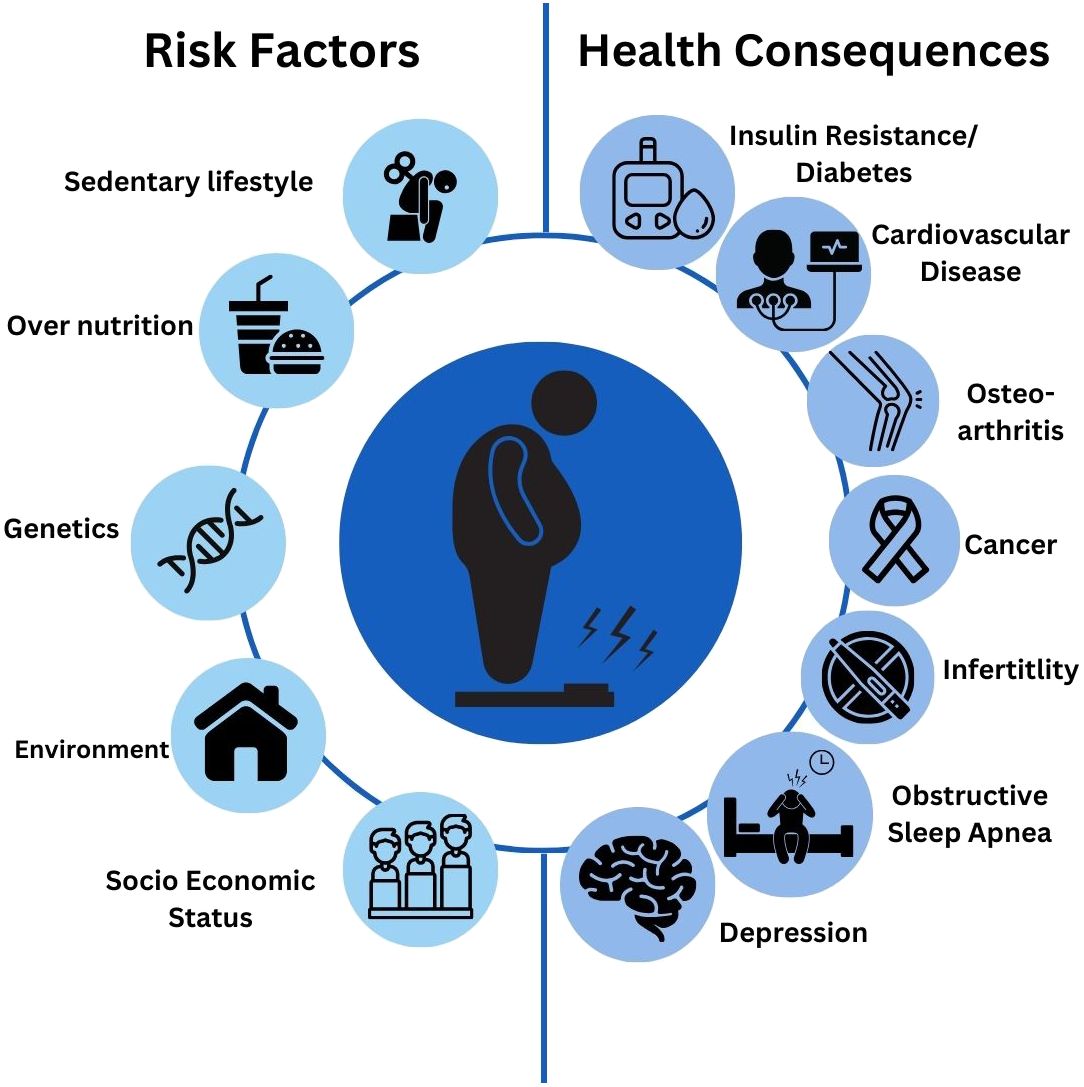
The financial impact of obesity-related care is significant. Analysts estimate that untreated obesity contributes to billions in downstream costs related to chronic illness and lost productivity.
Managing expansion in the obesity treatment market has therefore become a fiscal priority for governments attempting to balance healthcare sustainability with access.
Insurance Coverage and Access Inequality
Coverage policies vary widely by region and insurer. While some countries classify obesity treatment as essential care, others maintain restrictive reimbursement models.
Experts warn that unequal access threatens long-term stability in the obesity treatment market, particularly for low-income populations disproportionately affected by obesity.
A Single Industry Perspective
“We are witnessing a fundamental realignment in how healthcare systems approach obesity,” said one global health economist, noting that long-term outcomes depend on sustained access and responsible oversight.
The statement reflects a growing consensus surrounding the future trajectory of the obesity treatment market.
Consumer Awareness and Changing Attitudes
Public perception has evolved alongside clinical understanding. Awareness campaigns and media coverage increasingly frame obesity as a medical condition rather than a moral failing.
Sociologists suggest this cultural shift supports broader acceptance of interventions emerging from the obesity treatment market, particularly among younger demographics.
Pharmaceutical Competition Intensifies
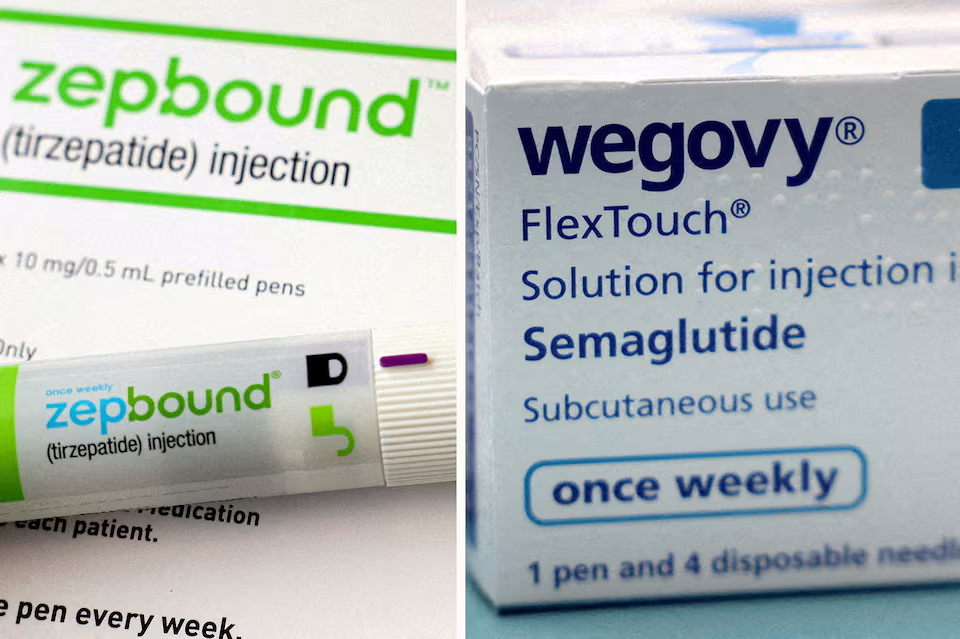
As demand grows, pharmaceutical companies are racing to develop and differentiate new therapies. Regulatory approvals have accelerated in several jurisdictions, intensifying competition.
Market observers note that branding and clinical outcomes are now key differentiators within the obesity treatment market, influencing prescriber and patient choice.
Data, Monitoring, and Long-Term Outcomes
Health systems are investing heavily in data infrastructure to monitor patient outcomes, adherence, and long-term effectiveness. Real-world evidence is increasingly used to guide treatment guidelines.
Improved data transparency is expected to strengthen governance across the obesity treatment market, supporting evidence-based decision-making.
Regional Differences Shape Adoption Rates
Adoption varies by geography, influenced by healthcare infrastructure, regulation, and cultural norms. North America and Western Europe currently lead treatment uptake, while access remains limited in parts of Asia, Africa, and Latin America.
Addressing these disparities is viewed as essential for equitable growth in the obesity treatment market.
Historic Comparison: From Lifestyle Debate to Medical Consensus
In the late 20th century, obesity was largely excluded from formal medical treatment pathways. Early interventions focused on diet and exercise, with limited pharmaceutical involvement.
The shift toward medicalization marked a turning point, transforming obesity care into a structured discipline. This evolution laid the groundwork for today’s obesity treatment market, which now integrates science, policy, and long-term care planning.
Ethical Considerations and Oversight
Ethicists emphasize the need for responsible marketing, informed consent, and equitable pricing. Concerns persist around affordability and long-term safety monitoring.
Strong regulatory frameworks are widely considered essential as the obesity treatment market expands rapidly.

Digital Health and Remote Care Integration
Telemedicine platforms and digital monitoring tools are increasingly used to support obesity treatment, improving access in remote and underserved areas.
Technology integration has become a growth catalyst within the obesity treatment market, reshaping service delivery models.
Workforce and Training Challenges
Expanding care capacity requires trained clinicians, dietitians, and behavioral specialists. Workforce shortages remain a challenge in several regions.
Education initiatives are underway to support sustainable growth in the obesity treatment market through specialized training programs.
Long-Term Public Health Strategy
Experts emphasize that treatment alone cannot address obesity prevalence without broader prevention efforts. Nutrition policy, urban planning, and education remain critical.
The obesity treatment market is increasingly positioned as one component of a comprehensive public health response rather than a standalone solution.
Research and Future Innovation
Ongoing research continues to explore new therapies, personalized medicine approaches, and long-term metabolic health outcomes.
Innovation pipelines suggest the obesity treatment market will continue evolving well beyond 2026.
Investment and Market Confidence
Investor interest remains strong, reflecting confidence in sustained demand. However, analysts caution that regulatory shifts and pricing pressure could influence future valuations.
Market stability will depend on responsible expansion of the obesity treatment market amid rising scrutiny.
Global Health Implications
International health organizations increasingly view obesity as a global epidemic requiring coordinated action. Cross-border collaboration is expanding around research and policy frameworks.
The global scope of the obesity treatment market underscores its importance to long-term health planning.
Watching a Defining Moment in Healthcare
As systems adapt and innovation accelerates, obesity care stands at a crossroads. The decisions made today will shape outcomes for decades.
The trajectory of the obesity treatment market offers insight into how modern healthcare responds to complex chronic disease challenges.
Beyond Treatment: Rethinking Health Systems
The broader lesson emerging from current trends is the need for integrated, patient-centered care models.
How healthcare systems absorb and manage growth in this sector will define the next chapter of global health policy.