

Oil prices dropped sharply after renewed optimism surrounding US-Iran negotiations increased fears of an oil market crash in 2026.
Global investors reacted to expectations of rising crude supply and weakening energy demand across major economies.
Analysts warn that continued price declines could impact inflation, energy companies, and global financial markets.
WASHINGTON, D.C. (Parliament Politics Magazine) oil market crash fears intensified across global financial markets after comments suggesting that US-Iran negotiations are approaching a final agreement triggered another sharp decline in crude prices. Traders, investors, and policymakers are now evaluating whether the latest selloff represents temporary volatility or the early stages of a larger correction in global energy markets.
The renewed decline in oil prices immediately affected energy stocks, commodity-linked currencies, and broader investor sentiment. Analysts say markets are responding to expectations that additional Iranian oil could soon enter global supply chains if sanctions are reduced or removed.
At the same time, concerns over slowing economic growth in major economies are adding pressure to already fragile energy demand forecasts.
“Energy markets are highly sensitive to geopolitical headlines, especially when global supply expectations suddenly change,”
said one commodities strategist following the latest trading session.
Global Crude Markets React to Diplomatic Signals
The latest market decline began shortly after public comments indicated progress in negotiations between Washington and Tehran. Financial markets interpreted the statements as a potential sign that Iranian crude exports could increase in coming months.
Benchmark oil prices, including Brent crude and West Texas Intermediate futures, moved lower as traders priced in future supply expectations. Some analysts believe the current downturn could accelerate if global demand continues slowing while production levels remain elevated.
The possibility of an oil market crash has become a growing concern because energy markets remain vulnerable to oversupply conditions and geopolitical uncertainty.
Several financial institutions also revised short-term energy forecasts after the latest market movement.
Investors Shift Away From Energy Stocks
Energy-sector shares experienced increased volatility as crude prices weakened. Oil producers, drilling companies, and refinery operators all faced pressure during the trading session as investors reassessed profit expectations.
The selloff also extended into broader commodity markets, with some traders shifting funds toward safer investment sectors amid concerns about economic instability.
Despite the decline, several market analysts cautioned against panic, arguing that geopolitical developments can rapidly reverse market trends.
Still, fears surrounding an oil market crash continue influencing global investment strategies, particularly among hedge funds and institutional investors heavily exposed to energy assets.

Supply Expectations Drive Oil Price Weakness
One of the primary factors behind the current decline is the growing expectation that global oil supply could expand significantly if diplomatic progress continues.
Iran holds some of the world’s largest proven oil reserves, and increased exports could alter supply-demand balances across international markets. Additional barrels entering circulation may pressure prices further if global consumption growth remains weak.
Some economists believe markets are now entering a period where supply increases may outpace demand recovery.
This imbalance has contributed to increasing discussions about a potential oil market crash scenario if major producers fail to coordinate production cuts effectively.
Inflation and Consumer Fuel Prices Remain Key Factors
Lower oil prices may eventually provide relief for consumers facing high transportation and living costs. Gasoline prices often decline when crude markets weaken, helping reduce inflationary pressure on households and businesses.
Central banks are closely monitoring energy prices because fuel costs significantly impact broader inflation calculations.
However, energy-producing nations and oil-dependent companies could face financial pressure if prices continue falling for extended periods.
The possibility of an oil market crash also raises concerns about job losses in energy-producing regions and reduced investment in future production infrastructure.
“Oil volatility affects nearly every part of the global economy, from transportation costs to manufacturing and consumer confidence,”
an international economic analyst stated.
Middle East Stability Remains Critical to Energy Markets
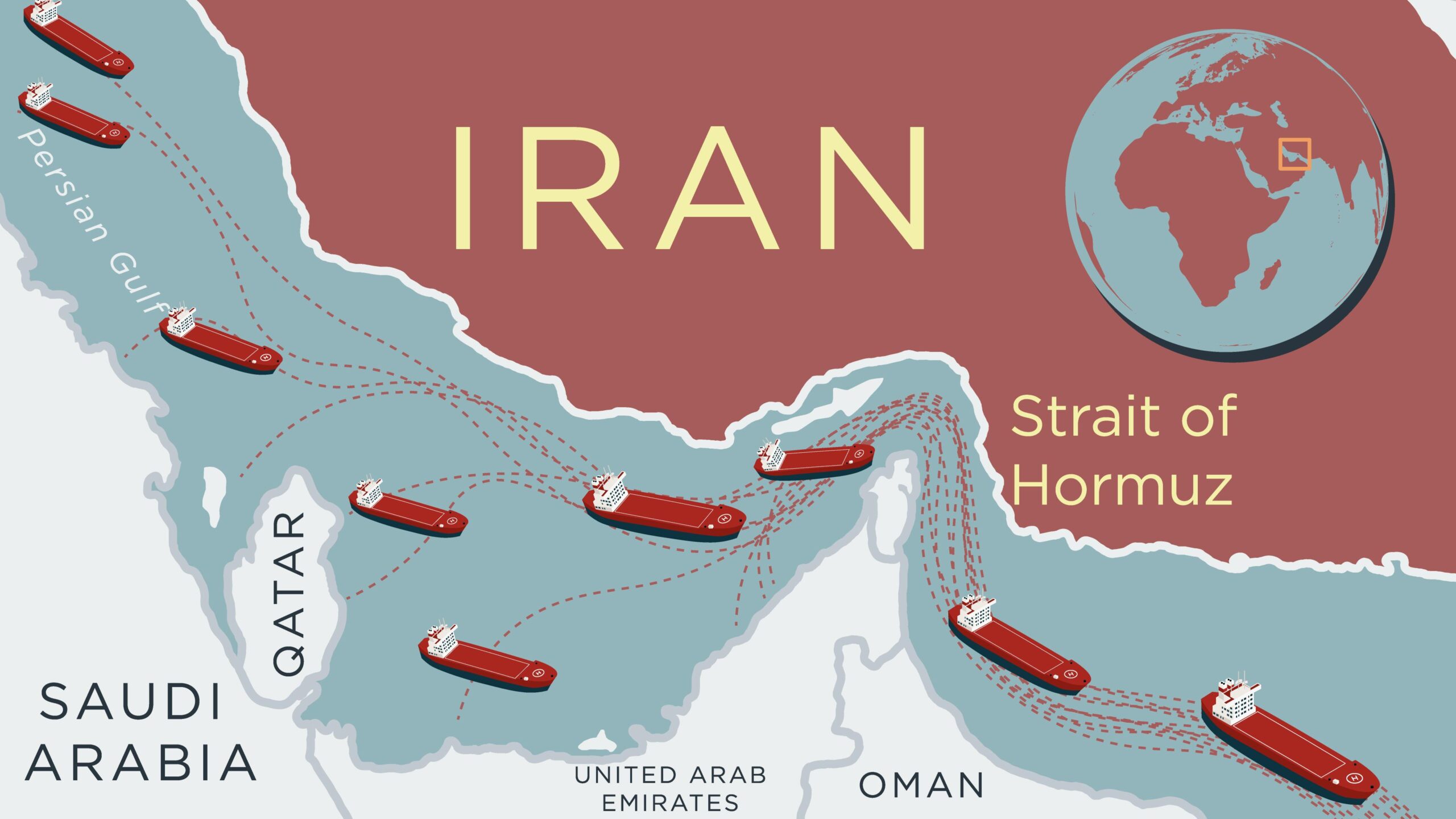
Geopolitical stability in the Middle East continues playing a major role in determining energy prices worldwide. Shipping routes near the Strait of Hormuz remain among the most important oil transportation corridors on Earth.
Any changes involving sanctions, regional security, or diplomatic agreements can rapidly influence market psychology and investor behavior.
Although diplomatic optimism has recently pressured oil prices lower, analysts warn that tensions in the region could still escalate unexpectedly.
Because of this uncertainty, some traders remain hesitant to fully commit to long-term bearish positions despite rising oil market crash fears.
The global energy sector has experienced several major downturns over the past decades. Historical oil crashes often occurred during periods of oversupply, economic recessions, or geopolitical disruptions.
The current environment shares similarities with earlier periods where markets struggled with weak demand and excessive production levels.
| Year | Major Event | Market Impact |
|---|---|---|
| 1986 | OPEC production battle | Massive oil price collapse |
| 2008 | Global financial crisis | Sharp energy demand destruction |
| 2014 | US shale boom | Extended crude downturn |
| 2020 | Pandemic lockdowns | Historic oil futures crash |
| 2026 | US-Iran negotiation concerns | Rising fears of oversupply |
OPEC+ Faces Growing Market Pressure
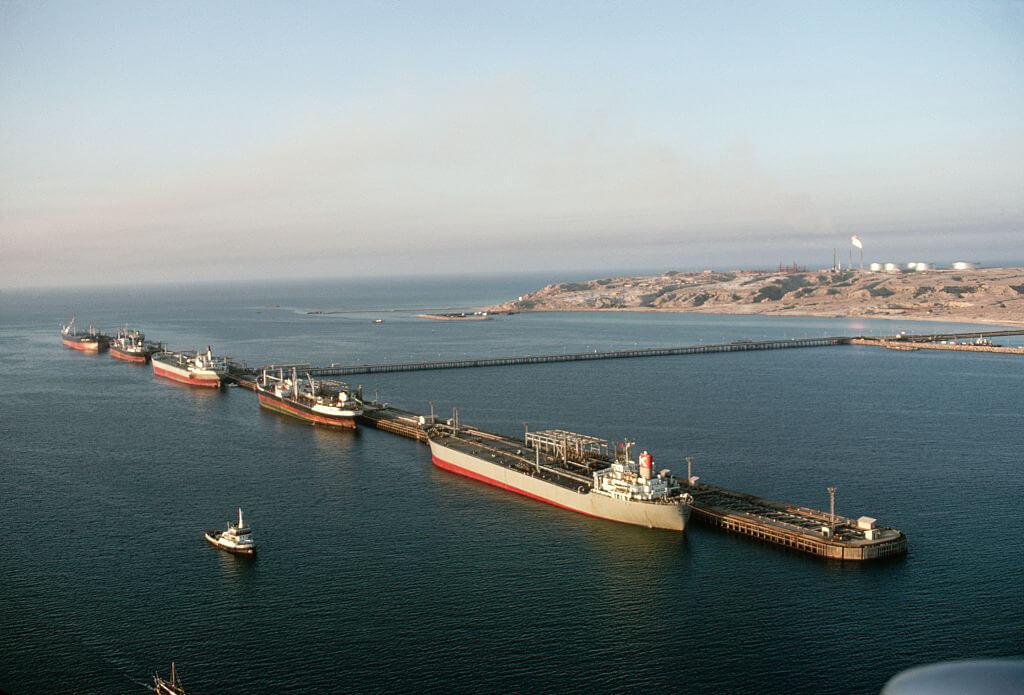
The Organization of the Petroleum Exporting Countries and its allies continue balancing production targets in an effort to stabilize prices.
If prices continue falling, additional production cuts may become necessary to prevent further deterioration in crude markets. However, coordination among major producers often becomes difficult during periods of political and economic uncertainty.
Some energy experts believe the current environment could eventually force OPEC+ members to intervene more aggressively if an oil market crash begins threatening national revenues.
Meanwhile, importing nations may welcome lower energy costs as a way to support economic growth and reduce inflation.
Global Oil Market Trends
| Indicator | Latest Status |
|---|---|
| Brent Crude | Declining |
| WTI Crude | Lower in trading |
| Iranian Export Outlook | Potential increase |
| Investor Sentiment | Volatile |
| Inflation Impact | Possible easing |
| Energy Stocks | Under pressure |
| OPEC+ Response | Closely monitored |
Economic Growth Concerns Add Pressure
Global economic uncertainty remains another major factor influencing energy markets in 2026.
Manufacturing slowdowns, weaker industrial demand, and cautious consumer spending patterns are reducing forecasts for future energy consumption in several major economies.
China, Europe, and North America are all facing economic challenges that may impact long-term crude demand growth.
As these concerns grow, discussions surrounding an oil market crash continue expanding across financial media and investment communities.
“The market is reacting to both supply expectations and broader economic uncertainty at the same time,”
said a senior global markets researcher.
Energy Traders Brace for Continued Volatility
Analysts expect oil markets to remain highly volatile throughout the coming months as investors monitor diplomatic developments, production levels, and global economic conditions.
Short-term rallies remain possible if geopolitical tensions increase or supply disruptions emerge unexpectedly. However, many traders believe downside pressure may continue dominating sentiment until clearer market direction develops.
The fear of an oil market crash has already increased trading activity across commodity exchanges as hedge funds and institutional investors reposition portfolios.
Volatility is expected to remain elevated as markets continue reacting to every major geopolitical headline connected to energy supply conditions.
The Future of Global Oil Prices
The latest decline in crude prices demonstrates how rapidly geopolitical developments can reshape global financial markets. Progress in US-Iran negotiations has triggered renewed fears of oversupply at a time when economic growth concerns are already weakening energy demand expectations.
While some analysts believe the current downturn may stabilize, others warn that continued supply growth combined with slowing global demand could deepen the correction.
For now, investors, governments, and consumers worldwide remain focused on whether the recent decline represents temporary volatility or the beginning of a broader oil market crash in 2026.