
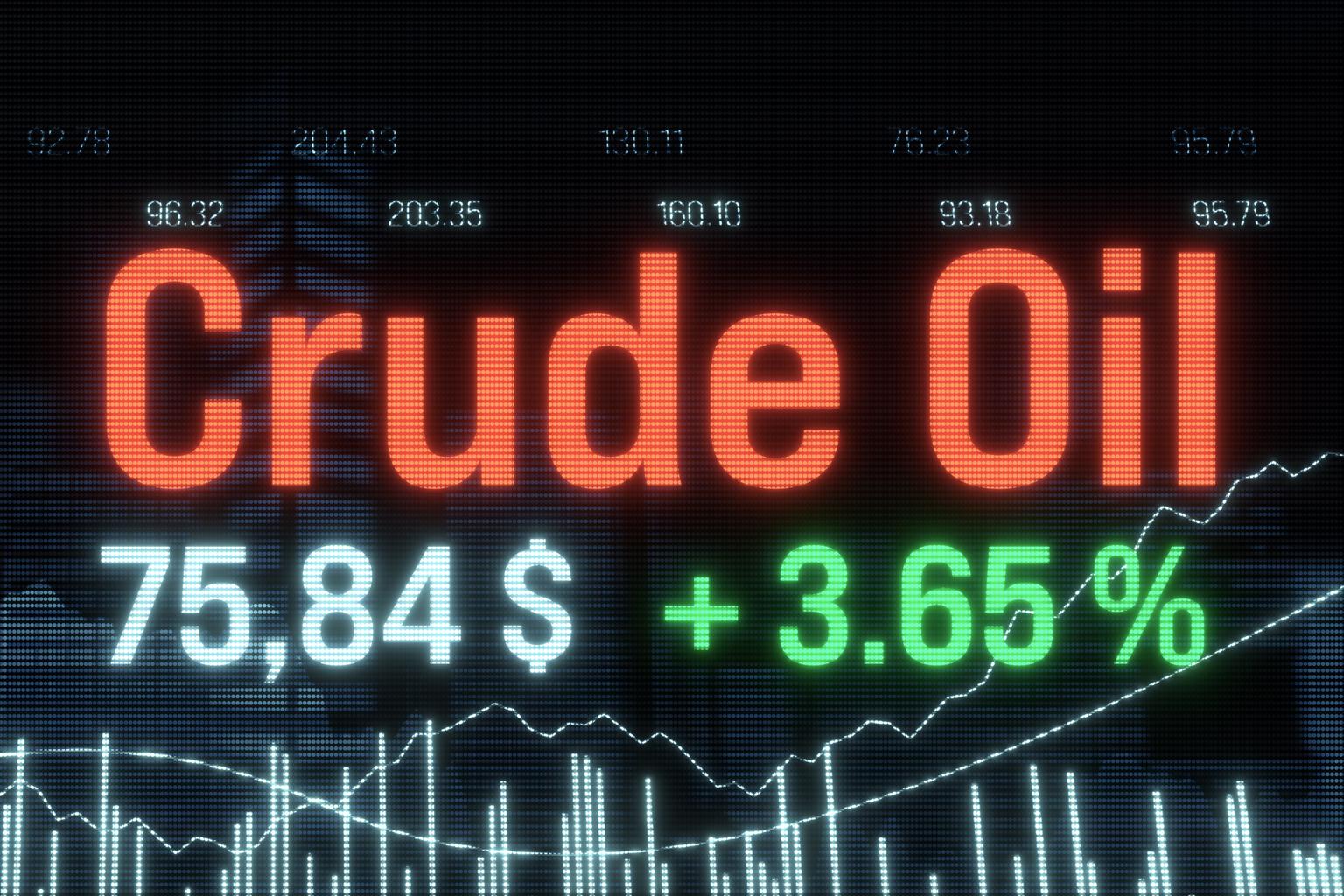
LONDON, United Kingdom — March 13, 2026 — Parliament Politics Magazine — Global energy markets showed renewed strength this week as oil prices weekly gains continued across major trading hubs. Investors, analysts, and policymakers are watching the oil market closely as demand signals remain strong and supply levels stay relatively constrained.
Market participants say oil prices weekly gains are being driven by a combination of economic growth, steady consumption in transportation sectors, and careful supply management by leading oil producing countries. These factors have helped support upward momentum in energy prices even as geopolitical uncertainties continue to shape the broader economic environment.
The development has placed the energy sector back in the spotlight as financial markets evaluate how rising fuel costs could influence inflation, economic policy, and industrial activity around the world.
Global Energy Demand Strengthens Market Confidence
One of the most significant drivers behind oil prices weekly gains is the consistent rise in global energy demand. As international economies continue to expand, industries that rely heavily on fuel—such as transportation, logistics, and manufacturing, are increasing consumption.
Air travel has experienced a notable rebound, with airlines operating more flights to meet rising passenger demand. Shipping and freight sectors are also expanding operations, contributing to higher fuel usage across global supply chains.
Energy analysts note that the current pattern of oil prices weekly gains reflects the reality that oil remains central to modern economic activity. Even as renewable energy investments grow, many sectors still depend heavily on traditional petroleum products.
These consumption trends have helped reinforce confidence among traders that the market remains fundamentally strong.
Supply Management Supports Price Stability
Another key factor contributing to oil prices weekly gains is the disciplined approach many oil producing nations are taking toward supply levels. Major exporters have carefully balanced production targets to avoid oversupply while still meeting global demand.
Production adjustments have become an important tool used by energy exporters to stabilize the market. When supply growth is limited while demand continues rising, price increases often follow.
The current market trend suggests that oil prices weekly gains are supported by this strategic balance between supply and demand.
Energy economists believe that continued coordination among producing countries could help prevent extreme volatility in the near future.
Financial Markets React to Energy Price Momentum
Financial markets often respond quickly to developments in energy prices, and the trend of oil prices weekly gains has captured the attention of investors across several sectors.
Higher oil prices can influence inflation expectations, transportation costs, and industrial production expenses. For this reason, traders monitor crude oil markets as an indicator of broader economic conditions.
Stock markets frequently reflect movements in energy commodities because energy companies represent a significant share of many global indices.
When oil prices weekly gains persist, energy companies often benefit from increased revenues, while industries reliant on fuel may experience higher operating costs.
Geopolitical Factors Influence Energy Markets
Political developments around the world also play a crucial role in shaping energy prices. Diplomatic tensions, regional conflicts, and changes in trade policies can all influence oil supply routes and production expectations.
Because oil production is concentrated in several geopolitically sensitive regions, market participants remain alert to developments that could affect supply.
The presence of oil prices weekly gains in the current market environment reflects a degree of caution among traders who anticipate potential disruptions.
Energy markets are particularly sensitive to geopolitical risk, making political developments a constant factor in price forecasting.
Investment Activity Across the Energy Sector
The trend of oil prices weekly gains has also renewed interest in investment across the energy sector. Energy companies evaluate market conditions carefully when deciding whether to expand exploration and production projects.
Higher oil prices often encourage investment in drilling operations, refinery upgrades, and transportation infrastructure.
However, energy firms must balance expansion plans with long term market uncertainties. Oil markets are historically volatile, and price shifts can occur quickly.
Despite these risks, the current environment of oil prices weekly gains has improved investor confidence in several segments of the energy industry.
HISTORY: How Oil Markets Have Evolved Over Time
The pattern of oil prices weekly gains can be better understood by examining the historical evolution of global oil markets. Over the past century, oil has been one of the most strategically important commodities in the world.
From the early industrial era through the modern global economy, oil has powered transportation, manufacturing, and electricity generation.
Major events such as geopolitical conflicts, economic recessions, and technological advancements have frequently reshaped energy markets.
For example, oil price shocks in previous decades demonstrated how quickly global markets can react to supply disruptions.
Today’s oil market is more complex than ever, involving international cooperation among producing countries, advanced trading systems, and diversified energy portfolios.
Understanding this history helps explain why current oil prices weekly gains attract such significant attention from policymakers and investors.
Analysts Provide Market Perspective
Energy analysts say the recent market movement reflects a combination of economic resilience and cautious production policies.
One market strategist explained the trend clearly by stating,
“The global oil market is responding to steady demand and disciplined supply management, which is why oil prices weekly gains have continued through the trading week.”
Another analyst emphasized that energy markets remain closely linked to economic performance and geopolitical developments.
Experts agree that maintaining balance between supply and demand will remain essential for market stability.
Environmental Transition and the Future of Oil
While oil continues to dominate the global energy system, governments and corporations are increasingly investing in renewable energy technologies.
Wind, solar, and hydrogen projects are expanding in many regions as part of long term strategies to reduce carbon emissions.
Despite this transition, the persistence of oil prices weekly gains demonstrates that fossil fuels still play a critical role in powering global economies.
Transportation systems, shipping networks, and industrial operations continue to depend heavily on petroleum based fuels.
Energy experts believe that the transition toward renewable energy will occur gradually while traditional fuels remain part of the global energy mix.

Market Momentum Continues
The latest developments in global energy trading highlight the continued momentum behind oil prices weekly gains. Strong demand from transportation and industrial sectors, combined with disciplined production strategies from major oil exporters, has helped support the upward trend in crude prices.
Financial markets are closely watching the energy sector as oil movements influence inflation, economic growth, and investment activity. Analysts say geopolitical developments and production decisions will remain key factors shaping future price trends.
Although renewable energy investments are expanding, oil remains central to the global economy. For now, the steady pattern of weekly gains reflects a market balancing strong consumption with controlled supply—an equation that continues to shape the outlook for energy markets worldwide.