


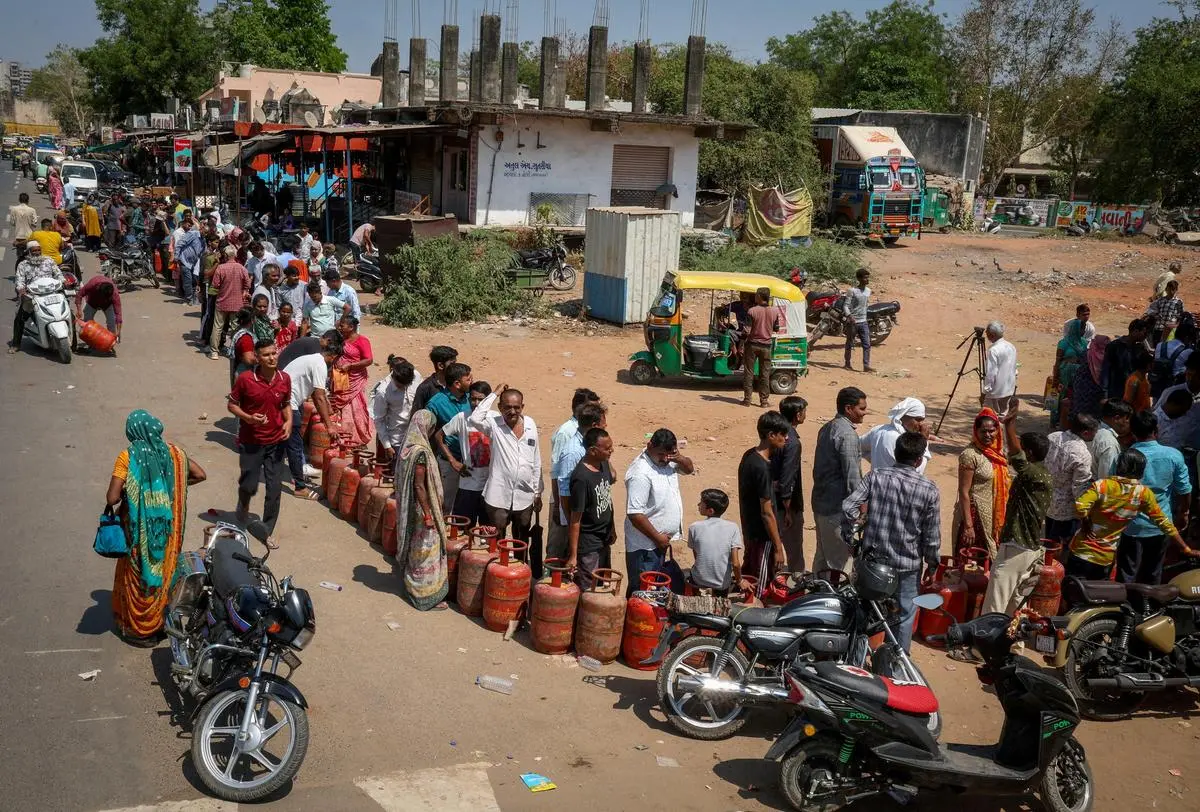
New Delhi, India, April 2, 2026 (Parliament Politics Magazine) Oil supply chain disruption is now visibly affecting everyday life in India, as long queues for cooking gas cylinders continue to grow across the country amid escalating tensions linked to the Iran war.
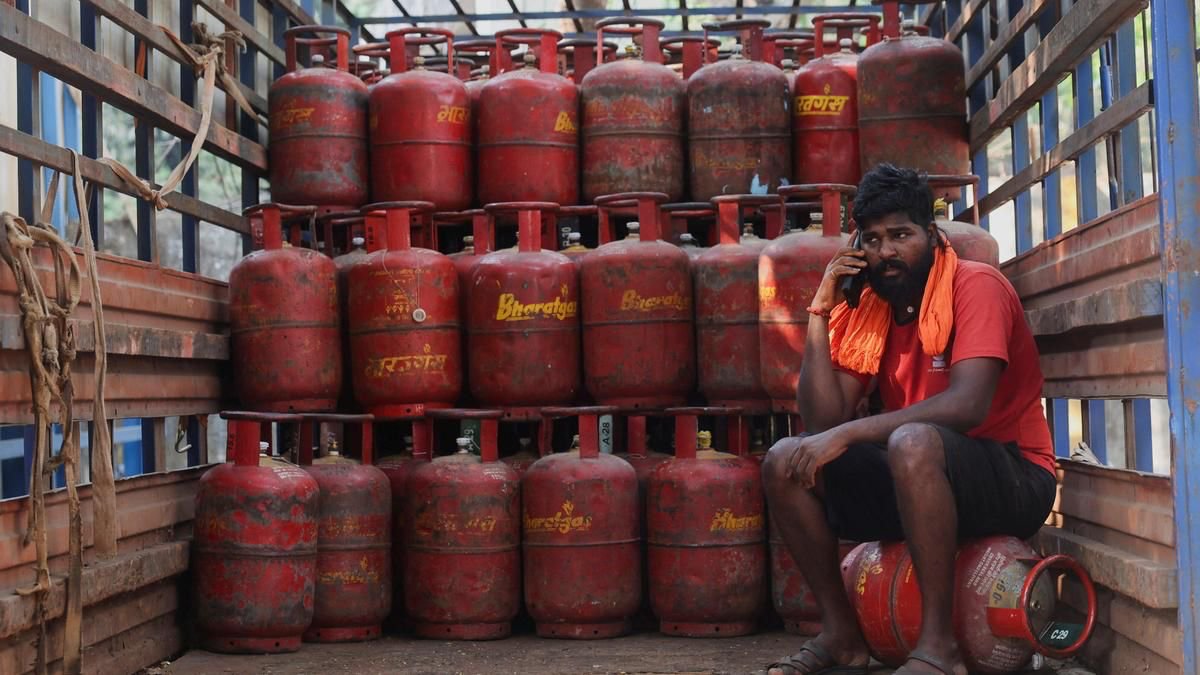
From urban centers to rural communities, people are lining up outside distribution points in increasing numbers. Delays in delivery, reduced availability, and rising demand have combined to create a challenging situation for households that rely heavily on liquefied petroleum gas (LPG) for cooking.
An energy expert noted,
“This is a clear example of how oil supply chain disruption can rapidly translate into daily hardship for ordinary citizens.”
Supply Pressure Intensifies Across Regions
The ongoing conflict has disrupted critical global supply routes, affecting the movement of crude oil and refined fuels. India, which depends significantly on imports, is particularly vulnerable to these disruptions.
Shipping routes have become more complex and expensive, with delays reported at multiple stages of the supply chain. Insurance costs for tankers have surged, and logistical challenges are slowing down deliveries.
As a result, oil supply chain disruption is creating bottlenecks that directly impact LPG distribution within India.
Queues Stretch Across Major Cities
Residents in cities such as Delhi, Mumbai, Chennai, and Kolkata are experiencing extended waiting times. In some cases, individuals arrive before sunrise to secure their place in line.
Distributors are facing unprecedented pressure to meet demand. Many have introduced limits on the number of cylinders per household to ensure broader access.
One resident shared,
“We waited for hours, and still there’s no guarantee we’ll get a cylinder today.”
Households Feel the Immediate Impact
The shortage is placing a heavy burden on families, especially those in lower-income brackets. Cooking gas is an essential resource, and disruptions can affect daily routines and food preparation.
Rising prices are compounding the issue. Increased transportation costs and supply constraints are driving up the cost of LPG, making it less affordable for many households.
Some families are turning to alternative fuels, including firewood and charcoal, which can pose environmental and health risks.
Government Steps to Stabilize Supply
Authorities have acknowledged the growing crisis and are implementing measures to stabilize the situation. Emergency reserves are being utilized, and efforts are underway to secure additional imports.
Officials have also indicated that alternative supply routes and partnerships are being explored to mitigate the effects of oil supply chain disruption.
A government spokesperson stated,
“We are working around the clock to ensure essential energy supplies remain accessible to the public.”
Global Energy Markets Add to Uncertainty
The broader global energy market is experiencing volatility due to the ongoing conflict. Oil prices have risen sharply, and supply uncertainties are affecting countries worldwide.
India’s reliance on imported energy makes it particularly sensitive to these fluctuations. Oil supply chain disruption is not only impacting availability but also contributing to economic uncertainty.
Experts warn that prolonged instability could lead to sustained challenges in both supply and pricing.
Logistics and Distribution Bottlenecks
Beyond international supply issues, domestic logistics are also under strain. Transportation delays, storage limitations, and distribution inefficiencies are exacerbating the problem.
Trucks transporting LPG cylinders are facing delays, while distribution centers are struggling to manage increased demand.
These factors are further intensifying oil supply chain disruption, making it difficult to restore normal supply levels quickly.
Inflationary Pressures Build
The impact of the crisis extends beyond cooking gas. Rising energy costs often lead to broader inflation, affecting food prices, transportation, and overall cost of living.
Economists suggest that continued oil supply chain disruption could place additional pressure on India’s economy, potentially slowing growth and reducing consumer spending.
The situation highlights the interconnected nature of global energy systems and domestic economic stability.
Public Reaction and Growing Concern
The visible queues and shortages have sparked concern among the public. Social media platforms are filled with images and accounts of long waiting times, reflecting widespread frustration.
Citizens are calling for quicker solutions and more transparent communication from authorities.
Community leaders emphasize the need for proactive measures to address both immediate shortages and long-term energy security.
Shift Toward Alternative Energy Solutions
The crisis has renewed discussions about alternative energy sources. Renewable energy, electric cooking technologies, and domestic production are gaining attention as potential solutions.
Experts argue that reducing dependence on imported fuels is essential to avoid similar crises in the future.
Oil supply chain disruption has underscored the importance of investing in sustainable and resilient energy systems.
Future Outlook Remains Uncertain
While efforts are being made to stabilize supply, the situation remains unpredictable. The duration of the conflict and global market responses will play a crucial role in determining the outcome.
If disruptions continue, additional measures such as subsidies, rationing, and expanded imports may be required.
Analysts caution that recovery could take time, and consumers may continue to face challenges in the near term.
What Experts Are Saying Now
“Oil supply chain disruption has turned a distant geopolitical conflict into a daily struggle for millions of Indian households.”
What It Means for India
Oil supply chain disruption is now directly impacting life in India, with long queues for cooking gas highlighting the far-reaching consequences of global conflict. Supply shortages, rising prices, and logistical challenges are placing pressure on households and the broader economy.
As authorities work to stabilize the situation, the crisis serves as a reminder of the importance of energy security and diversification. For now, millions continue to wait in line, facing uncertainty in an increasingly volatile global landscape.
