

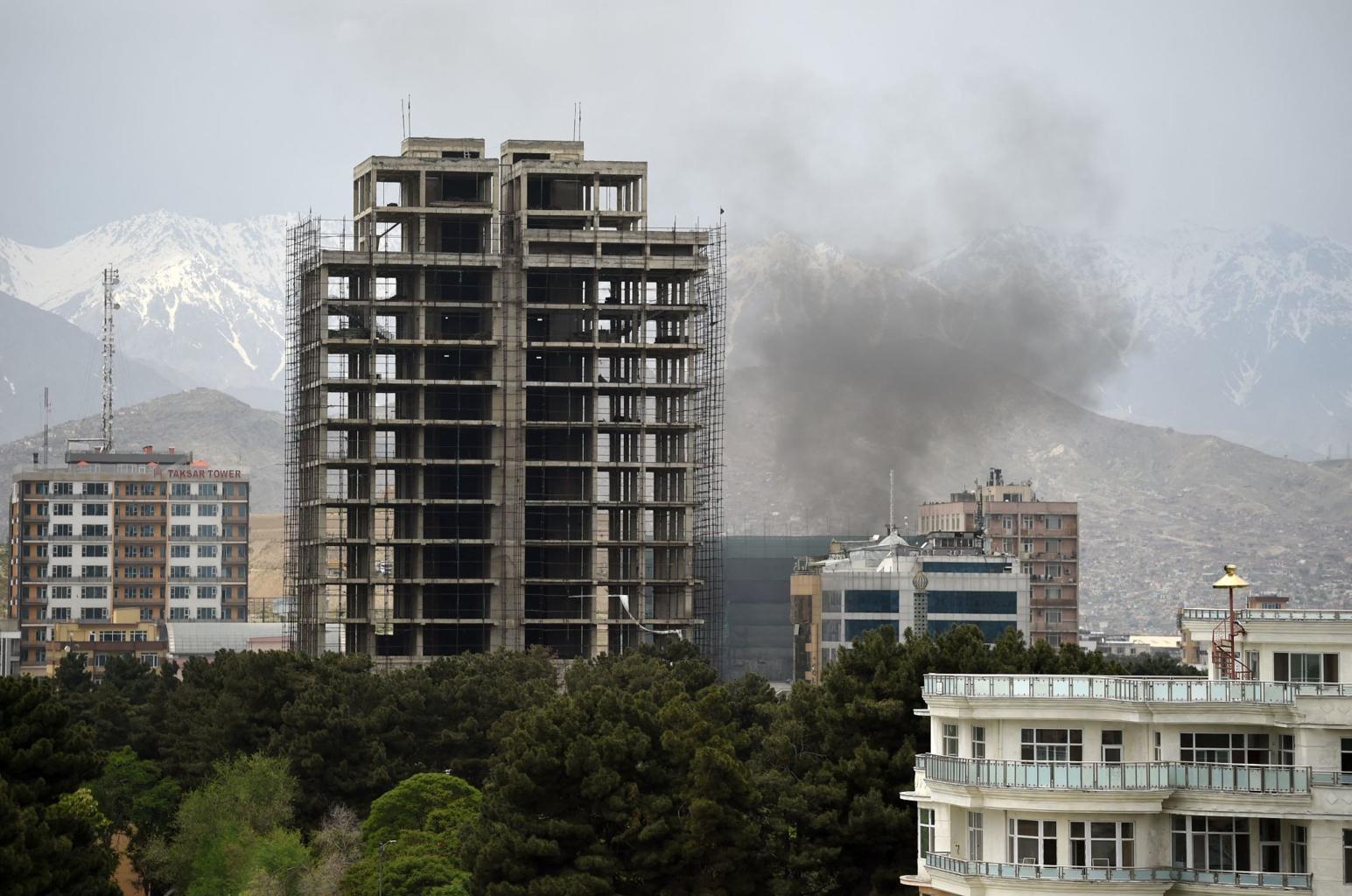
Islamabad, Kabul — March 17, 2026 — Parliament Politics Magazine — The Pakistan air strike on Kabul has intensified geopolitical tensions across South Asia, marking a significant shift in the fragile relationship between Pakistan and Afghanistan. The development has sparked international concern as governments and analysts assess the risk of further escalation.
The Pakistan air strike on Kabul is rapidly becoming a defining moment in regional security, highlighting unresolved tensions and the growing complexity of cross border threats.
What Triggered the Air Strike
The Pakistan air strike on Kabul was reportedly carried out in response to increasing security concerns linked to militant activity.
Officials in Pakistan have repeatedly warned about threats originating from across the border, including attacks attributed to armed groups operating within Afghan territory. These warnings have intensified in recent months, setting the stage for decisive action.
The Pakistan air strike on Kabul reflects a broader effort to counter perceived threats, though it has significantly raised tensions between the two countries.
Immediate Impact on Kabul
The Pakistan air strike on Kabul caused immediate disruption across parts of the city.
Explosions were reported, and security forces were deployed quickly to secure affected areas. Residents described heightened fear and uncertainty as authorities worked to assess the situation.
The Pakistan air strike on Kabul has also drawn attention to the vulnerability of urban centers in times of escalating conflict.
Diplomatic Fallout Between Nations
The Pakistan air strike on Kabul has led to sharp diplomatic reactions.
Afghan officials condemned the action, calling it a violation of sovereignty, while Pakistan defended the operation as necessary for national security. The exchange of statements has further strained relations.
The Pakistan air strike on Kabul has complicated already fragile diplomatic ties, reducing the likelihood of immediate reconciliation.
Regional Security Concerns
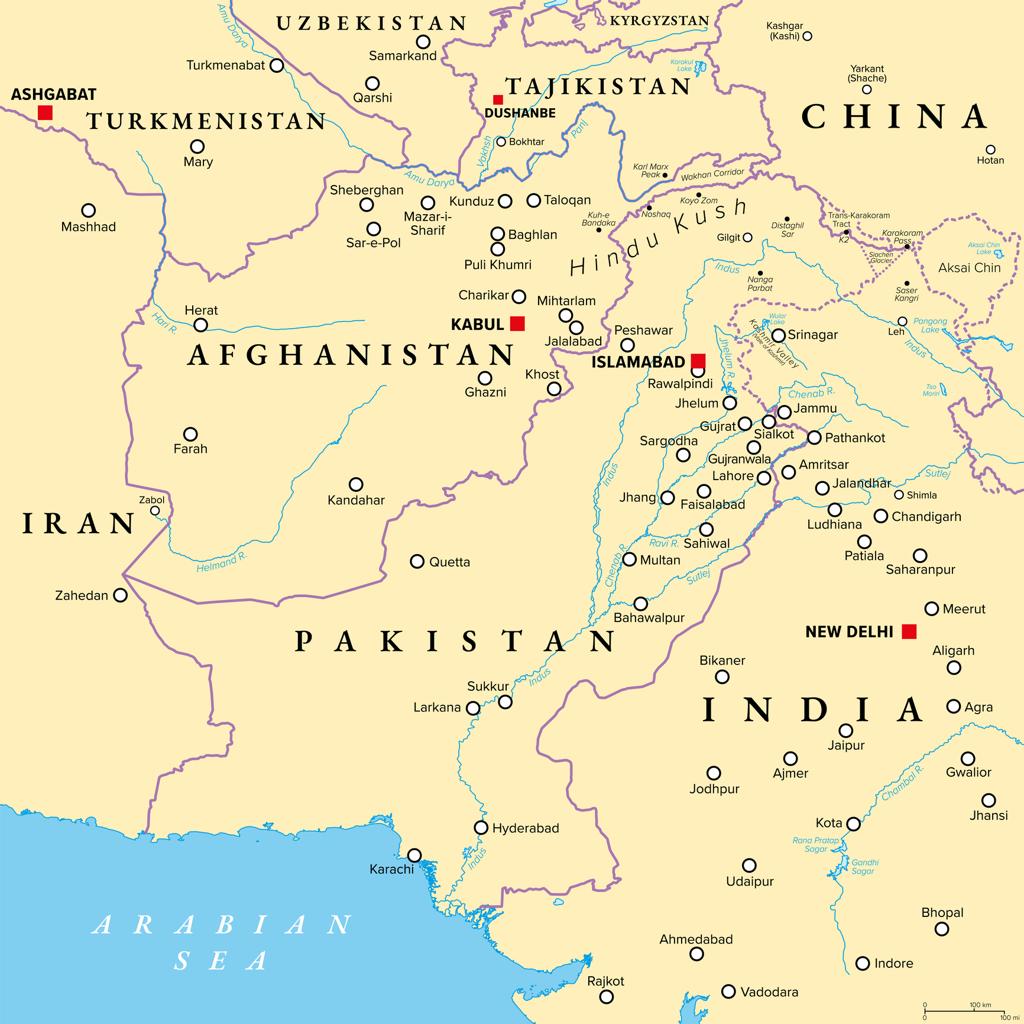
The Pakistan air strike on Kabul is raising alarms across the region.
Neighboring countries are closely monitoring developments, concerned that the situation could escalate into a broader conflict. The Pakistan air strike on Kabul has increased military alert levels in surrounding areas.
Regional stability is now a key concern as governments evaluate potential risks.
Impact on Civilians and Infrastructure
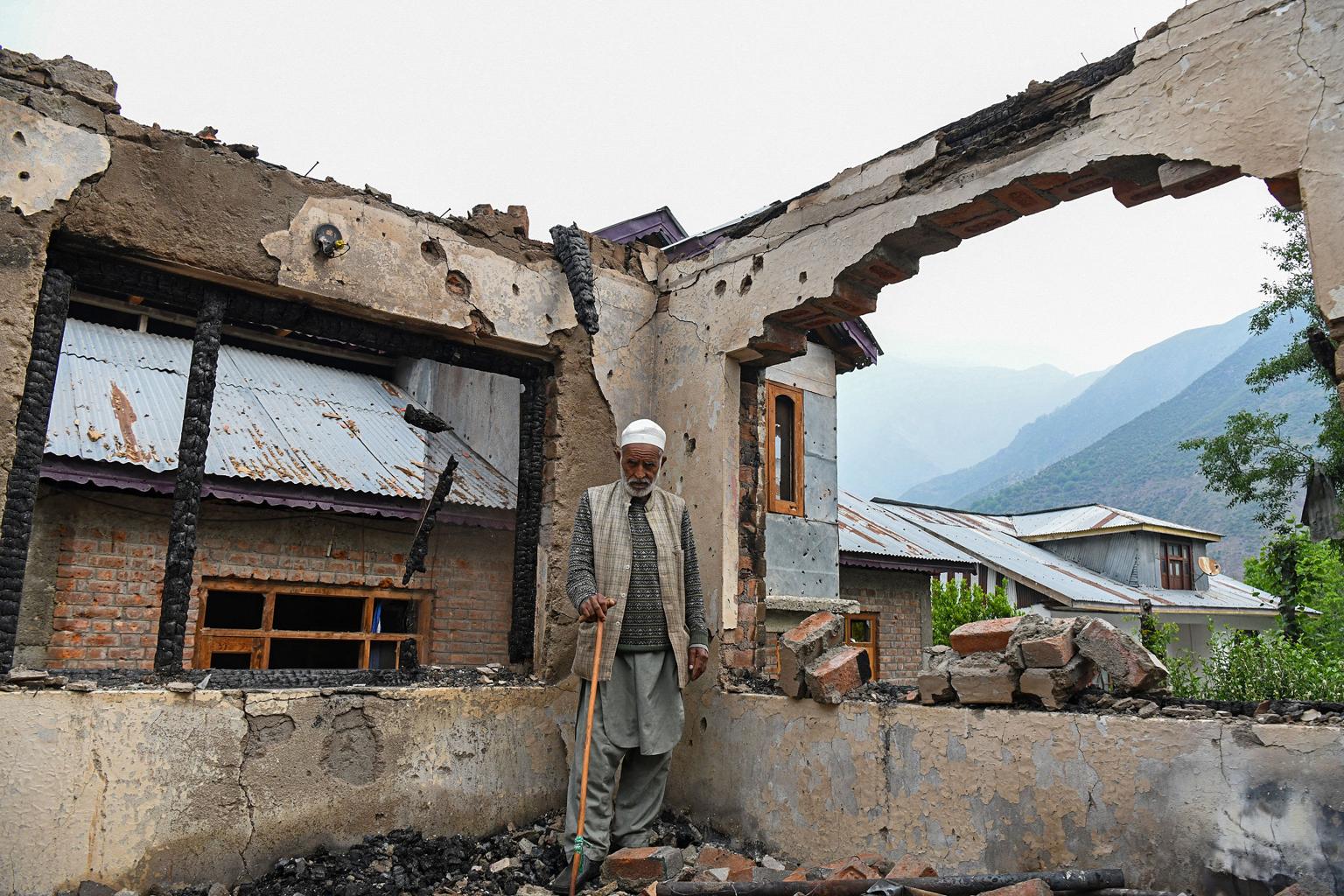
The Pakistan air strike on Kabul has affected civilian life significantly.
Residents in affected areas have faced disruptions, including limited movement and uncertainty about safety. Infrastructure damage is still being assessed, with authorities working to restore normalcy.
The Pakistan air strike on Kabul underscores the human cost of geopolitical tensions and the importance of maintaining peace.
Historical Background of Cross Border Tensions
The Pakistan air strike on Kabul must be understood within a broader historical context.
Relations between Pakistan and Afghanistan have long been shaped by border disputes and security concerns. Previous incidents have highlighted similar tensions, often linked to militant activity and territorial disagreements.
The Pakistan air strike on Kabul reflects ongoing challenges that have persisted for decades, emphasizing the complexity of resolving such issues.
Global Reaction and International Pressure
The Pakistan air strike on Kabul has drawn global attention.
International leaders have called for restraint and dialogue to prevent further escalation. Diplomatic channels are being used to encourage both sides to engage in constructive discussions.
The Pakistan air strike on Kabul has become a focal point for global concern regarding regional stability.
Expert Insight
A regional security analyst stated
“This situation demonstrates how quickly tensions can escalate and why diplomatic engagement remains critical to preventing further instability”
Strategic Outlook for the Region
Looking ahead the Pakistan air strike on Kabul is expected to influence future developments in South Asia.
Both countries face pressure to balance security needs with diplomatic responsibilities. The Pakistan air strike on Kabul may lead to further actions or renewed negotiations depending on how the situation evolves.
The uncertainty surrounding these developments continues to shape regional dynamics.
Risks and Long Term Consequences
This situation presents significant risks for long term stability.
Escalation could lead to broader conflict while unresolved tensions may continue to affect relations between the two countries. It highlights the delicate balance required to manage security concerns without triggering further instability.
Decisions made in the coming weeks will be critical in determining outcomes.
A Turning Point in South Asian Geopolitics
This development represents a major shift in regional geopolitics.
It reflects deeper issues related to trust cooperation and security between neighboring countries. It may redefine alliances and strategic priorities in South Asia.
This moment could shape the region for years to come.
The Evolving Nature of Regional Conflict
Modern conflicts are increasingly influenced by rapid responses and changing geopolitical dynamics.
This situation demonstrates how quickly tensions can escalate and impact multiple aspects of regional stability.
Understanding these patterns is essential for assessing future risks.
A Defining Moment for Regional Stability
This event stands as a critical moment in 2026.
It highlights the challenges of maintaining stability in a region facing complex security threats and political tensions. The situation will likely remain a key factor in shaping future developments.
Complete Overview of the Current Crisis
The incident marks a significant escalation in tensions with wide ranging implications for security diplomacy and regional stability.
From immediate reactions and civilian impact to long term strategic consequences the situation remains complex and evolving.
As developments continue this crisis will remain central to discussions about South Asia and global security.