BRUSSELS / ISLAMABAD, March 30, 2026 (Parliament Politics Magazine) Pakistan Iran mediation talks have moved to the forefront of global diplomacy as the European Union formally backed efforts to reduce tensions surrounding the ongoing Iran conflict. The coordinated push reflects growing urgency among international leaders to prevent escalation and restore stability in the Middle East.
Pakistan’s diplomatic initiative has gained traction in recent days, with multiple countries aligning behind its efforts to facilitate indirect dialogue between key stakeholders. The EU’s support reinforces the importance of diplomacy as the preferred path forward.
EU Signals Strong Support for Diplomatic Resolution
European leadership has emphasized that dialogue remains essential in addressing the crisis. Officials expressed concern about the growing impact of the conflict on global security and economic stability.
According to recent statements, the EU backs all mediation efforts aimed at de-escalation, highlighting Pakistan’s role in facilitating communication.
A European official noted:
“Only sustained diplomacy can prevent further escalation and restore stability in the region.”
The EU’s position reflects a broader international consensus that negotiations must take priority over military escalation.
Pakistan Emerges as a Key Mediator
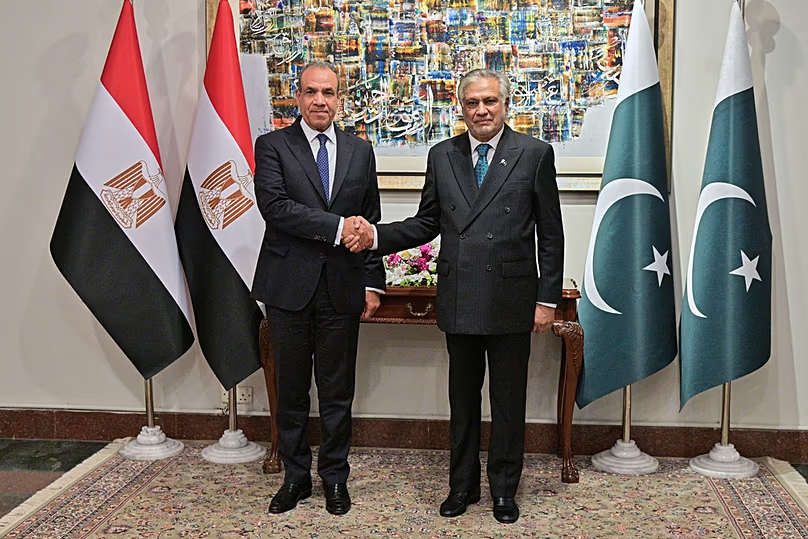
Pakistan’s involvement has become increasingly central to diplomatic efforts. Officials have confirmed that the country is actively relaying messages between the United States and Iran, acting as a communication bridge.
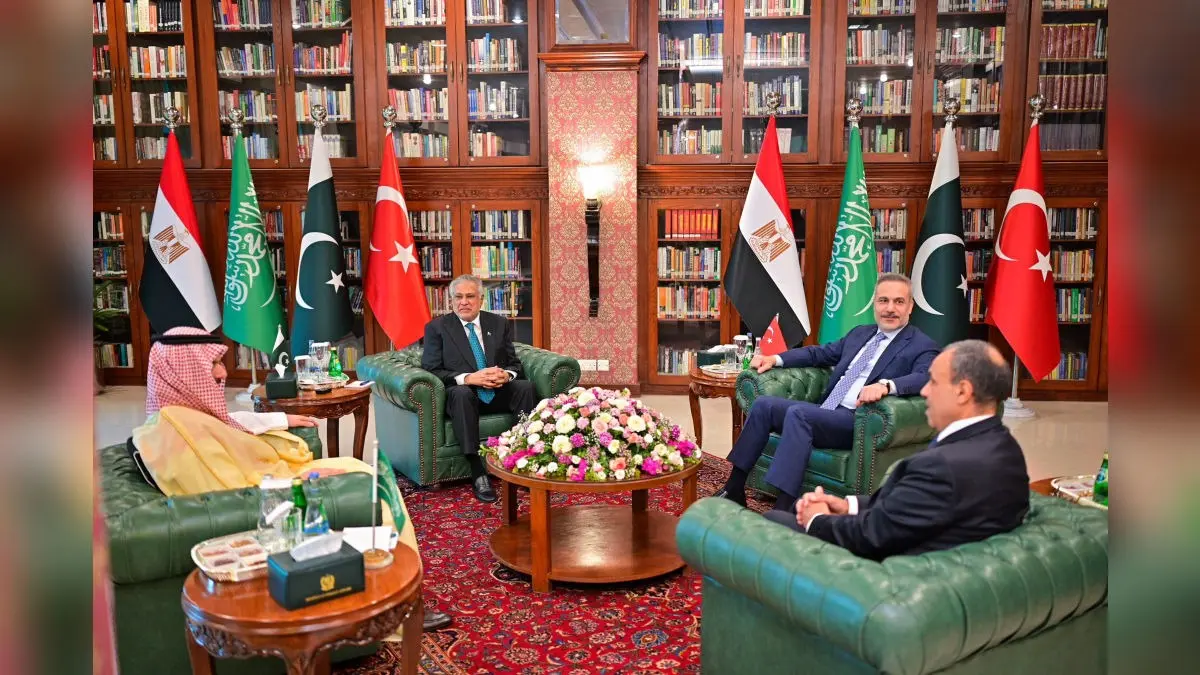
Recent developments show that Pakistan Iran mediation talks are not limited to bilateral engagement but include coordination with regional powers such as Saudi Arabia, Turkey, and Egypt.
High-level meetings hosted in Islamabad have explored potential frameworks for de-escalation, including ceasefire proposals and mechanisms to stabilize critical trade routes.
Growing International Alignment Behind Talks
The expanding support for Pakistan Iran mediation talks indicates a shift toward multilateral diplomacy. Countries across Europe, the Middle East, and Asia are recognizing the importance of coordinated efforts.
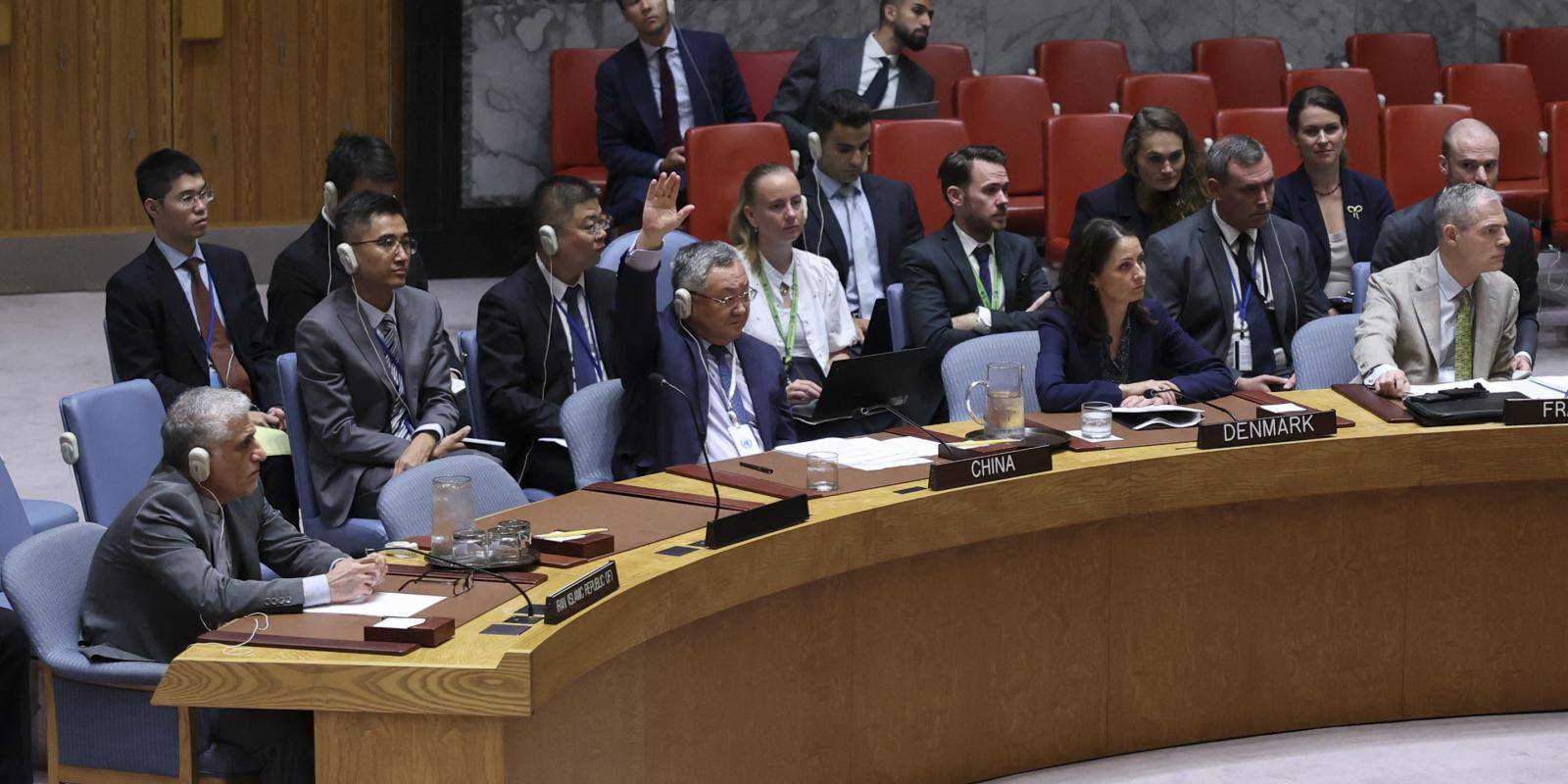
China has also expressed support for Pakistan’s diplomatic initiative, while European leaders have engaged directly with Pakistani leadership to discuss the crisis.
This alignment increases the credibility of the mediation process and raises the possibility of structured negotiations in the near future.
Rising Stakes in the Middle East
The urgency surrounding these talks is driven by the escalating situation on the ground. Military tensions have disrupted key regions and raised fears of a broader conflict.
The Strait of Hormuz, a critical global shipping route, has been significantly affected, with disruptions impacting energy markets worldwide.
Pakistan Iran mediation talks are therefore not only about diplomacy but also about preventing economic fallout and ensuring global energy stability.
Historical Context of the Conflict
The relationship between Iran and Western powers has long been marked by periods of tension and limited engagement. Diplomatic efforts have often been inconsistent, leading to recurring crises.
In recent weeks, attempts at negotiation have been complicated by differing demands and political pressures. Iran has rejected certain proposals while still leaving the door open for diplomacy.
Pakistan’s role represents a renewed effort to establish communication channels where direct dialogue remains limited.
Challenges Facing Mediation Efforts
Despite growing support, significant obstacles remain. Deep-rooted mistrust between the United States and Iran continues to hinder progress.
Conflicting conditions for negotiations have made it difficult to establish a clear path forward.
Experts caution that while Pakistan Iran mediation talks are promising, achieving meaningful results will require sustained engagement and compromise from all parties involved.
Economic Impact of the Crisis
The ongoing conflict has already begun to affect global markets. Energy prices remain volatile, and uncertainty continues to impact trade and investment.
For Europe and other regions dependent on stable energy supplies, the situation poses a significant risk. The EU’s support for diplomacy reflects a desire to mitigate these economic challenges.
Pakistan Iran mediation talks are therefore closely linked to broader efforts to stabilize the global economy.
Diplomatic Momentum Builds
Recent signals suggest that diplomatic momentum may be building. U.S. officials have indicated that Iran could be considering options for de-escalation, while Iran has acknowledged indirect communication through mediators.
This evolving dynamic highlights the importance of continued engagement and the role of intermediaries like Pakistan in facilitating dialogue.
Global Security Implications
The outcome of these efforts could have far-reaching implications. A successful diplomatic resolution could reduce tensions across multiple regions and strengthen global security.
Conversely, failure to achieve progress could increase the risk of further escalation, with significant consequences for international stability.
Pakistan Iran mediation talks are therefore being closely monitored as a key development in global diplomacy.
The Road Ahead for Negotiations
While immediate breakthroughs remain uncertain, the current efforts represent a critical step toward rebuilding trust and communication.
Diplomatic experts emphasize the need for patience and sustained cooperation. Multilateral support, including backing from the EU and other global actors, will be essential for progress.
Pakistan’s continued engagement could play a decisive role in shaping future negotiations.
A Pivotal Diplomatic Moment
Pakistan’s emergence as a mediator, supported by the European Union and other global players, marks a significant development in efforts to address the Iran crisis.
Pakistan Iran mediation talks reflect a broader shift toward diplomacy as the preferred solution to escalating tensions.
In summary:
Pakistan Iran mediation talks, backed by the EU, represent a critical opportunity to reduce tensions, stabilize global markets, and prevent a wider conflict through coordinated diplomatic action.