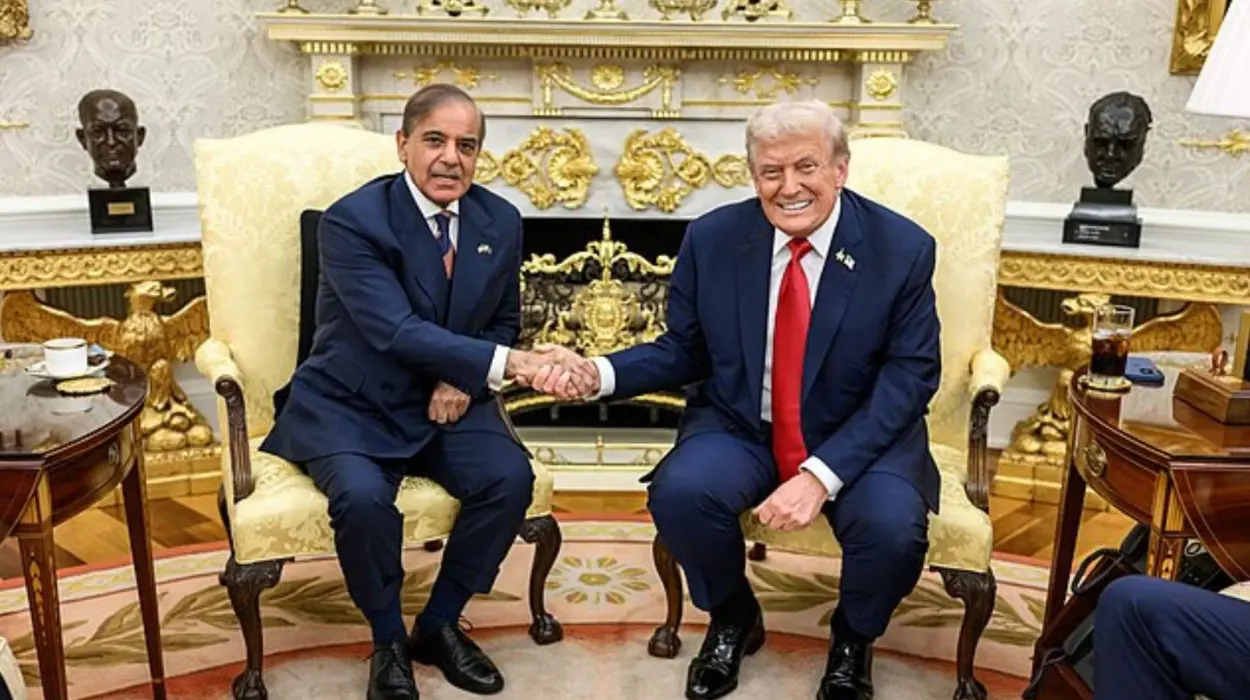
Islamabad (Parliament Politics Magazine) January 18, 2026 – Pakistan’s Prime Minister Shehbaz Sharif received an invitation from US President Donald Trump to join the Board of Peace for Gaza, a spokesperson for Pakistan’s ministry of foreign affairs confirmed on Sunday. The board, established under a UN Security Council resolution following a ceasefire in the Gaza war, oversees reconstruction and transitional governance. Pakistan pledged continued engagement with international efforts for a lasting Palestine solution per UN resolutions, amid ongoing rubble clearance in Gaza City.
A spokesperson for Pakistan’s ministry of foreign affairs issued a statement confirming that Prime Minister Shehbaz Sharif has received President Trump’s invitation to participate on the Board of Peace for Gaza. As reported by Ananya Palyekar of Reuters, the development underscores Pakistan’s commitment to multilateral peace initiatives in the region.
“Pakistan will remain engaged with international efforts for peace and security in Gaza, leading to a lasting solution to the Palestine issue in accordance with United Nations resolutions,”
the spokesperson stated. The announcement coincides with imagery from Gaza City on 16 January, showing Palestinians navigating rubble from war-destroyed residential buildings, photographed by Dawoud Abu Alkas for Reuters.
Journalist Ihtisham Ul Haq echoed the official line on social media. Ihtisham Ul Haq said in X post,
“Pakistan’s PM has received an invitation from the U.S. President to join the Board of Peace on Gaza. Pak will continue engaging with international efforts to promote peace & security in Gaza, working toward a lasting solution to the Palestine issue in line with UN resolutions.”
Pakistan’s PM has received an invitation from the U.S. President to join the Board of Peace on Gaza. Pak will continue engaging with international efforts to promote peace & security in Gaza, working toward a lasting solution to the Palestine issue in line with UN resolutions.
— Ihtisham Ul Haq (@iihtishamm) January 18, 2026
Background to Trump’s Gaza Peace Plan and Board Formation

The Gaza conflict began on 7 October 2023 with coordinated attacks by Hamas and other Palestinian groups on southern Israel, sparking two years of hostilities. A fragile ceasefire emerged in late 2025, paving the way for reconstruction efforts. Former British Prime Minister Tony Blair proposed international administration for Gaza in August 2025, followed by President Trump’s 20-point peace plan unveiled in late September 2025, partially accepted by Israel and Hamas the next month.
The United Nations Security Council adopted Resolution 2803 on 17 November 2025, sanctioning the Board of Peace as a transitional body for Gaza’s administration, reconstruction, and economic recovery. As detailed in White House statements and UN documents, the board coordinates funding and framework under Trump’s oversight until the Palestinian Authority completes reforms for secure governance handover.
President Trump formally announced the board’s establishment on 15 January 2026 via Truth Social, describing it as “the greatest and most esteemed board ever put together.” He endorsed a Palestinian technocratic government, the National Committee for the Administration of Gaza, backed by the board’s high representative during transition. This followed the second phase commencement of the Gaza Peace Agreement on 14 January 2026.
Pakistani journalist Jan Achakzai highlighted the significance of the invitation in detailing Pakistan’s priorities. Jan Achakzai said in X post,
“🚨 THIS IS BIG ▪ Pakistan has received an official invitation to join the proposed “Board of Peace” initiated by U.S. President Donald #Trump. ▪ The invitation is part of a broader international framework aimed at post-war stabilization, humanitarian assistance, and reconstruction in Gaza. ▪
The proposed board envisions the inclusion of multiple world leaders and nations to coordinate efforts. ▪ Pakistan maintains that its core priorities remain an immediate ceasefire in #Gaza, protection of Palestinian civilians, and unhindered humanitarian access. ▪ #Pakistan will continue to support regional peace, long-term stability, and a just political resolution to the crisis.”
🚨 THIS IS BIG
▪ Pakistan has received an official invitation to join the proposed “Board of Peace” initiated by U.S. President Donald #Trump.
▪ The invitation is part of a broader international framework aimed at post-war stabilization, humanitarian assistance, and…
— Jan Achakzai / جان اچکزئی (@Jan_Achakzai) January 18, 2026
Board of Peace Structure and Key Figures
Trump chairs the Board of Peace, with members including world leaders and experts tasked with specific stabilisation areas. The White House revealed participants like former UN Middle East envoy Nickolay Mladenov, who represents the board in Gaza and supervises a 15-member Palestinian technocratic committee led by a former Palestinian Authority deputy minister. Hamas remains excluded from governance roles.
The board operates alongside a temporary technocratic Palestinian committee handling public services and local administration, comprising qualified Palestinians and international experts. Tony Blair features prominently in proposals, with the entity setting redevelopment funding parameters drawing from Trump’s 2020 peace plan and other initiatives like the Saudi-French proposal.
On 12 October 2025, Tony Blair met Palestinian Vice President Hussein al-Sheikh in Jordan to discuss reconstruction post-ceasefire. Trump declared “the war is over” that evening, pledging swift board formation. Invitations extended to nations ahead of the board’s first meeting at the World Economic Forum summit.
Pakistan’s Invitation Amid Diplomatic Outreach
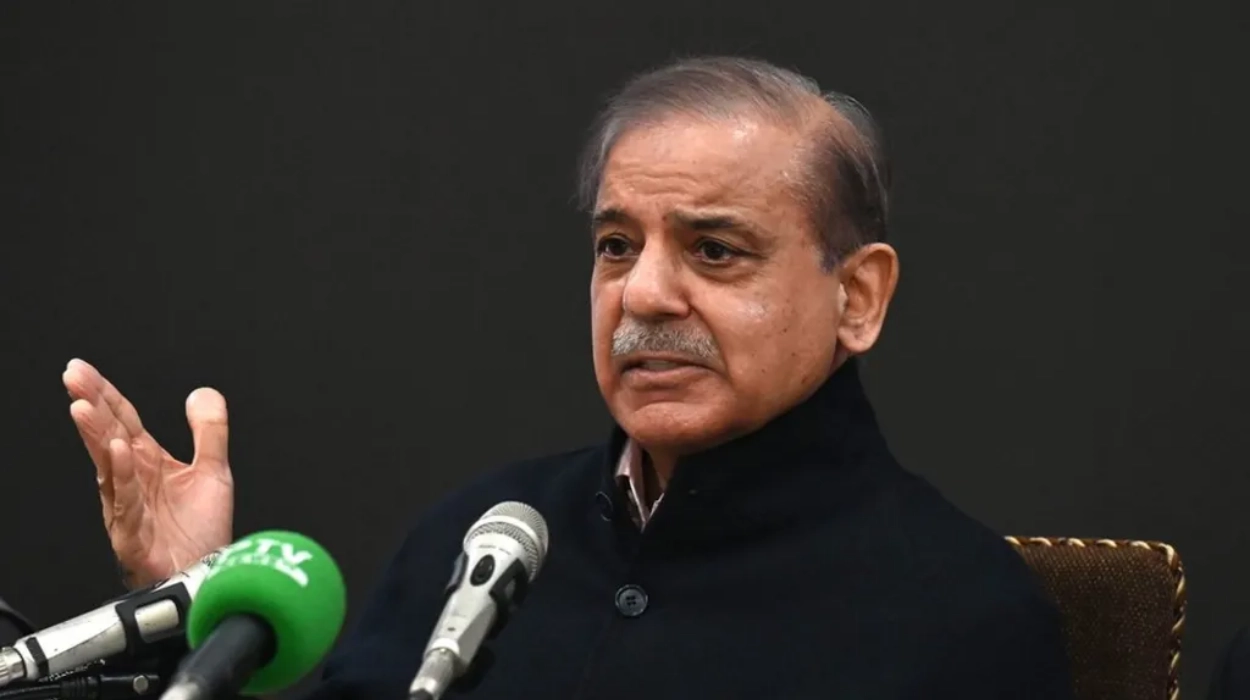
Pakistan’s inclusion expands the board’s international composition, reflecting US efforts to engage South Asian stakeholders. Prime Minister Sharif’s office has not specified participation details, but the foreign ministry reaffirmed alignment with UN resolutions on Palestine. Islamabad maintains consistent diplomatic support for Palestinian self-determination through UN channels and humanitarian aid.
The invitation arrives as Trump advances his comprehensive Gaza plan, including reported $1 billion commitments for extended board membership. Pakistan’s response signals willingness for constructive involvement without endorsing unilateral measures. The ministry’s emphasis on ceasefire, civilian protection, and aid access mirrors longstanding policy positions voiced at international forums.
Gaza’s Post-War Reconstruction Landscape
Gaza City faces massive rebuilding needs, with 16 January Reuters photos by Dawoud Abu Alkas depicting residents amid destroyed homes. The war’s toll necessitated coordinated global funding, which the Board of Peace frameworks. The technocratic committee manages daily operations, ensuring non-political governance during transition.
UN Resolution 2803 authorised temporary international stabilisation in Gaza by board collaborators, emphasising security and effective Palestinian Authority resumption. Trump’s plan outlines 20 points, including demilitarisation phases, economic revitalisation, and governance reforms. Reconstruction focuses on residential areas, infrastructure, and humanitarian corridors.
Historical Context of US-Led Gaza Initiatives
Trump’s engagement builds on prior proposals. His September 2025 plan mirrored Blair’s August call for external administration post-2023 war onset. The ceasefire, effective late 2025, enabled phase one implementation, with board formation marking phase two.
Reports from 11 January 2026 indicated Trump’s imminent member announcements, prompting Hamas calls to expedite Palestinian committee setup. The board’s role persists until Palestinian Authority reforms allow full control, per resolution terms. Earlier phases involved ceasefire monitoring and initial aid distribution.
Pakistan’s Foreign Policy on Palestine Continuity
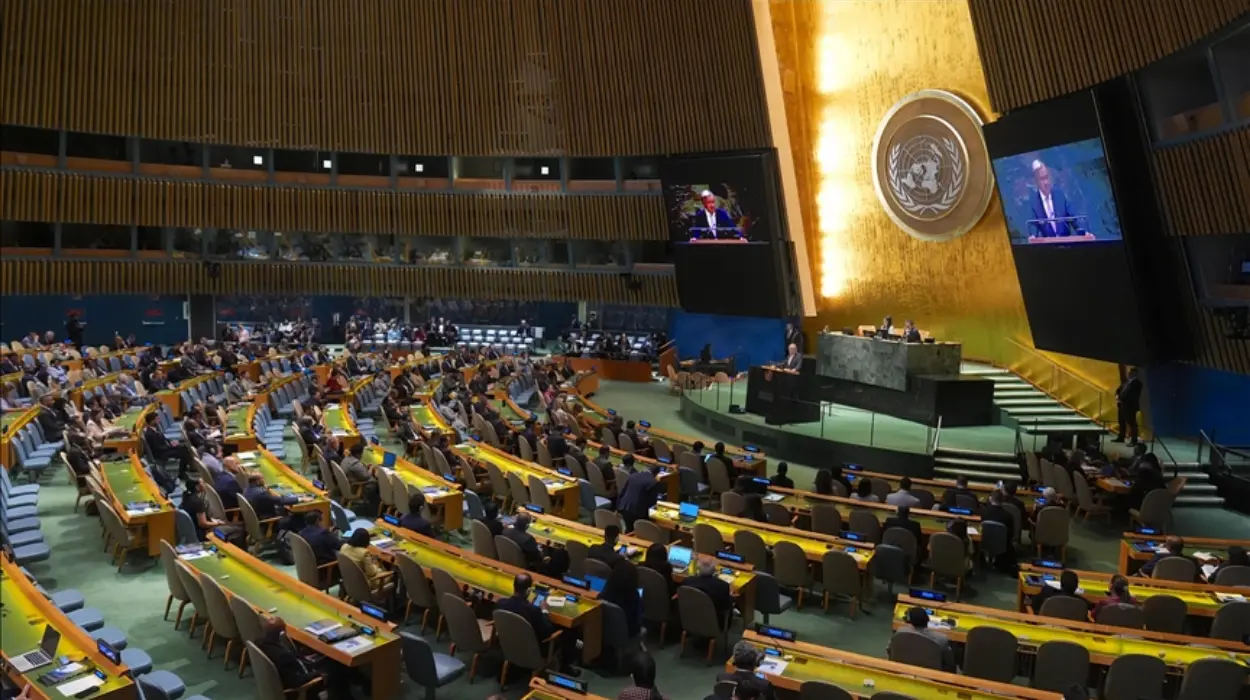
Pakistan has advocated Palestinian rights at successive UN General Assemblies, condemning occupation and supporting two-state solutions. The Gaza board invitation aligns with this stance, framing participation as contribution to UN-sanctioned peace. Foreign ministry statements historically critique deviations from international law.
No timeline emerged for Pakistan’s formal acceptance or Sharif’s role designation. The invitation reflects broader US diplomacy post-inauguration, seeking diverse coalition for Gaza stability. Pakistan’s humanitarian contributions to Gaza predate the board, including medical supplies and field hospitals.
Broader Implications for Regional Stability
The board convenes amid fragile ceasefire adherence, with reconstruction funding central to preventing relapse. Trump’s Truth Social posts emphasise “peaceful future” via technocratic leadership. International buy-in, including Pakistan’s, bolsters legitimacy.
Gaza’s challenges persist with displacement and aid dependency. The board coordinates with UN agencies for transparent fund allocation. Pakistan’s involvement could enhance South Asian representation in Middle East diplomacy.
Reporting by Ananya Palyekar in Bengaluru, edited by Louise Heavens, follows Thomson Reuters Trust Principles. Gaza imagery underscores urgency, with Palestinians sifting war rubble daily. The invitation positions Pakistan within a multilateral framework addressing protracted conflict.