

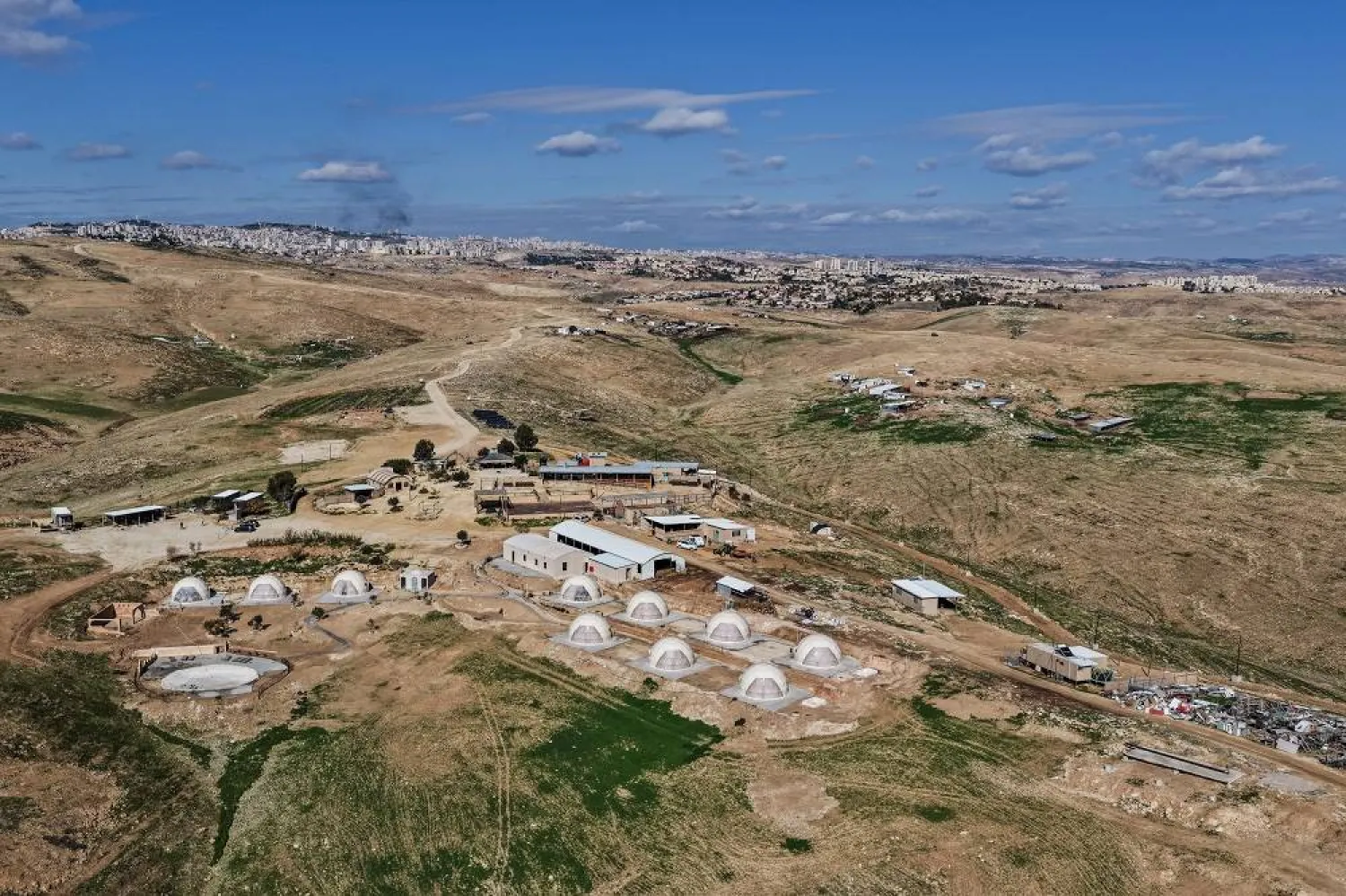
WEST BANK, March 28, 2026 (Parliament Politics Magazine) Palestinian displacement risk is rapidly increasing across the occupied West Bank as regional instability linked to the Iran conflict intensifies pressure on already fragile communities. The evolving situation has raised alarms among humanitarian organizations and policymakers, who warn that the current trajectory could deepen one of the region’s most persistent crises.
Recent developments indicate that communities in several districts are facing mounting uncertainty, with rising tensions, property damage, and security concerns contributing to fears of forced displacement. Local accounts describe a growing sense of vulnerability among residents, particularly in rural areas and regions near contested zones.
Regional Conflict Driving Local Instability
Analysts suggest that the broader Iran-related conflict is indirectly influencing conditions in the West Bank. As attention shifts toward larger regional threats, localized tensions appear to be escalating with less immediate oversight.
The surge in instability highlights how interconnected geopolitical conflicts can produce ripple effects far beyond their primary theaters. In this context, Palestinian displacement risk is increasingly viewed as part of a wider regional pattern rather than an isolated issue.
A regional analyst noted,
“When focus shifts to larger conflicts, localized tensions can escalate quickly, often leaving civilians exposed.”
Emerging Patterns Across the West Bank
Reports from multiple areas suggest a consistent pattern of developments contributing to rising Palestinian displacement risk, including:
- Increased confrontations in and around sensitive zones
- Damage to homes, farmland, and essential infrastructure
- Restrictions on movement affecting daily life
- Heightened fear among vulnerable populations
These patterns indicate that the situation is not limited to isolated incidents but reflects a broader escalation in tensions across the region.
Humanitarian Concerns Deepen
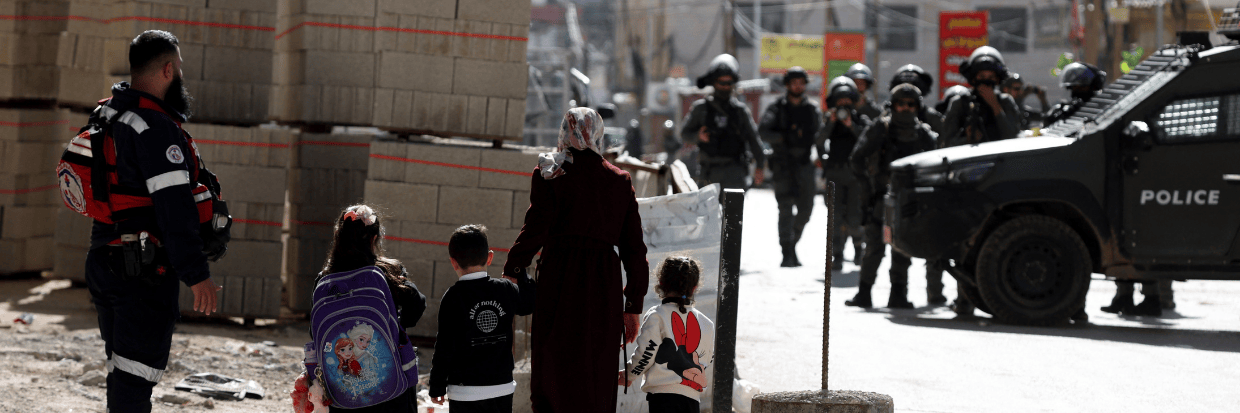
Humanitarian groups have expressed growing concern over the potential consequences of escalating instability. The rise in Palestinian displacement risk has implications not only for immediate safety but also for long-term access to housing, education, and healthcare.
Families in affected areas report increased anxiety about their future, particularly as conditions become less predictable. Schools and businesses have faced disruptions, compounding economic challenges for already strained communities.
A humanitarian worker stated,
“The situation is evolving rapidly, and the risk of displacement is becoming a very real concern for many families.”
Security Challenges and Policy Responses
Authorities face complex challenges in responding to the evolving situation. Balancing immediate security needs with long-term stability remains difficult, especially amid broader regional tensions.
Efforts to address Palestinian displacement risk are complicated by:
- Limited resources due to competing security priorities
- Difficult terrain and dispersed populations
- The need for coordinated responses across multiple agencies
Policy discussions are increasingly focused on preventing further escalation while addressing underlying causes of instability.
International Attention and Diplomatic Efforts
The situation has drawn increased international attention, with global leaders calling for restraint and renewed diplomatic engagement. Concerns about Palestinian displacement risk have become central to discussions about regional stability and humanitarian protection.
Diplomatic efforts continue to emphasize the importance of:
- Protecting civilian populations
- Preventing forced displacement
- Encouraging dialogue between conflicting parties
However, achieving meaningful progress remains challenging in the current geopolitical climate.
Historical Context of Displacement Concerns
Displacement has long been a recurring issue in the West Bank, shaped by decades of conflict, political disputes, and economic pressures. The current rise in Palestinian displacement risk reflects both longstanding challenges and new dynamics linked to the broader regional situation.
While previous periods have seen similar concerns, the current escalation is notable for its connection to external geopolitical factors, particularly the Iran conflict.
Economic and Social Consequences
The increase in Palestinian displacement risk carries significant economic and social implications. Agricultural communities face potential losses due to damaged land and restricted access, while local markets experience disruptions.
Social impacts include:
- Increased psychological stress among residents
- Reduced trust between communities
- Limited opportunities for economic recovery
These factors contribute to a cycle of instability that can be difficult to break.
Global Implications of Rising Displacement Risk
The rise in Palestinian displacement risk is not only a local issue but also a matter of global concern. Experts warn that continued escalation could have far-reaching consequences, including:
- Increased regional instability
- Challenges for international humanitarian efforts
- Complications in diplomatic negotiations
The situation underscores the importance of addressing both immediate and long-term factors contributing to displacement.
Outlook: Uncertainty Ahead
Looking forward, the trajectory of Palestinian displacement risk will depend on several key factors:
- Developments in the Iran-related conflict
- Effectiveness of local and international responses
- Efforts to reduce tensions and support affected communities
While immediate de-escalation is critical, long-term stability will require sustained attention and coordinated action.
Calls for Immediate Action
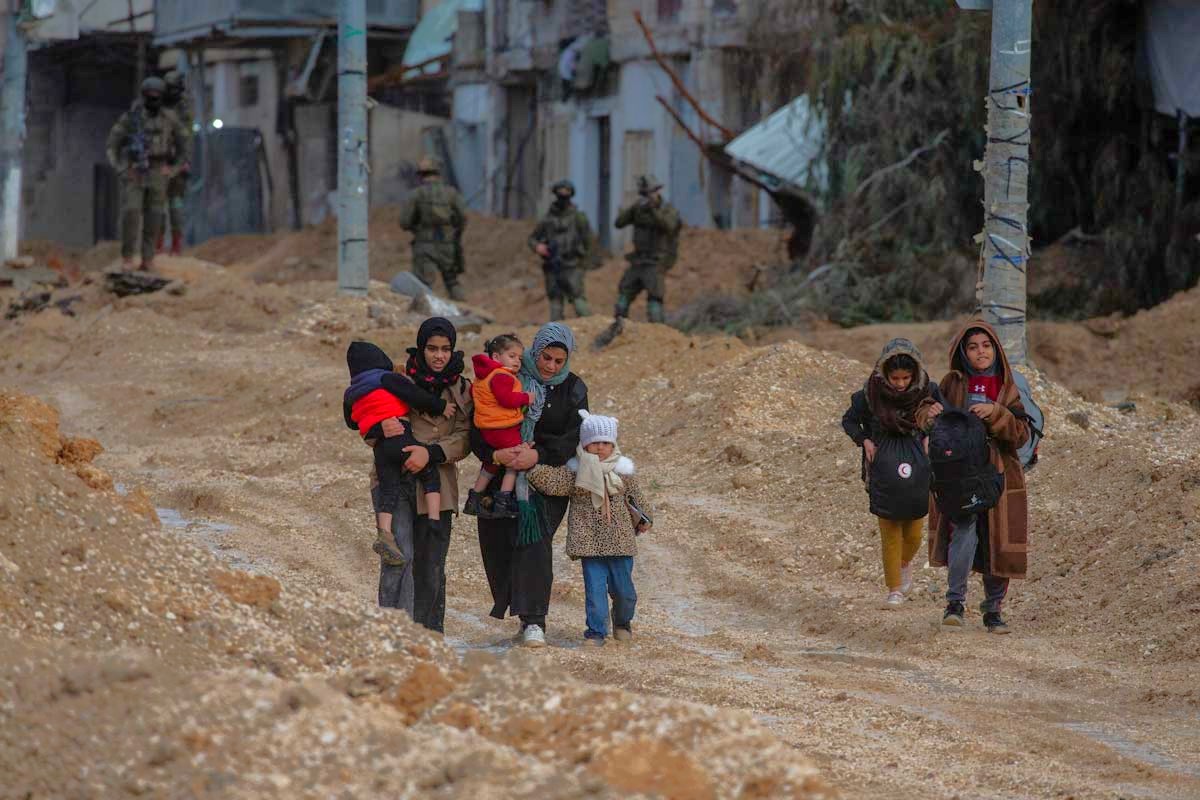
Voices from across the region are calling for urgent measures to prevent further escalation. Addressing Palestinian displacement risk has become a priority for humanitarian organizations and policymakers alike.
One observer emphasized,
“This is a pivotal moment—action taken now could determine whether the situation stabilizes or worsens.”
Key Developments at a Glance
- Rising tensions across multiple West Bank areas
- Growing humanitarian concerns linked to displacement
- Security challenges influenced by regional conflict
- Increased international calls for restraint
- Ongoing uncertainty surrounding future developments
Rising Risk Demands Urgent Attention
The escalation in the West Bank highlights the fragile nature of the region’s stability. As Palestinian displacement risk continues to grow, the situation demands immediate and coordinated responses to prevent further deterioration.
The coming weeks will be crucial in determining whether efforts to stabilize the region can succeed or if the crisis will deepen further.
