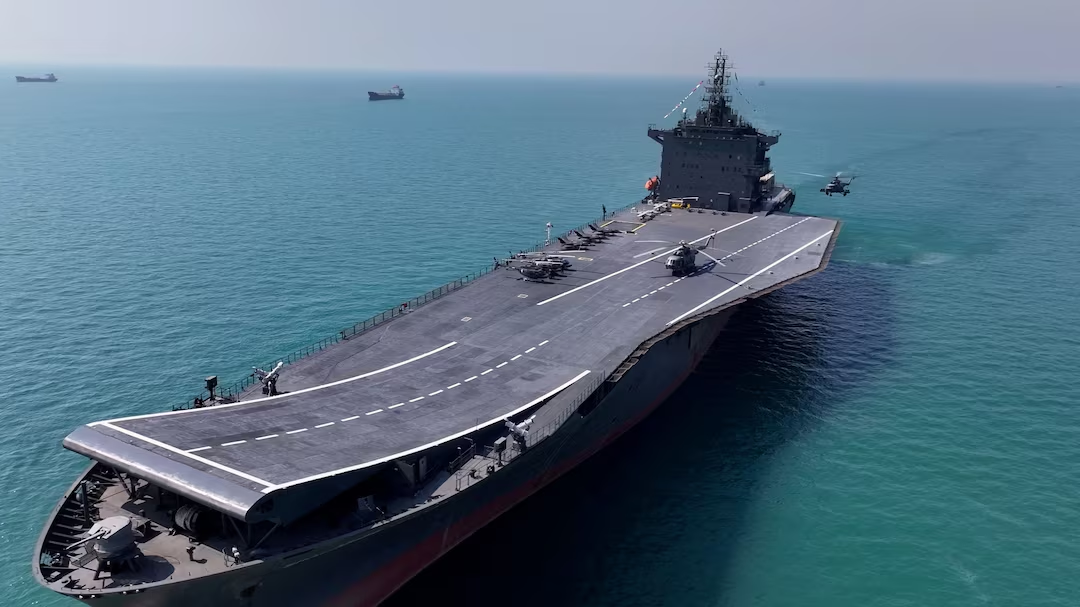
Persian Gulf military tensions surged after U.S. forces struck a large Iranian drone carrier, according to footage released by U.S. Central Command.
The vessel, described as roughly the size of a World War II aircraft carrier, was seen burning after the strike.
Military officials say the operation is part of a broader effort to weaken Iran’s naval and missile capabilities.
Persian Gulf — March 6, 2026 — Parliament News — Persian Gulf military tensions escalated sharply after the United States confirmed a major strike against an Iranian drone carrier operating in the region. U.S. Central Command released video footage on Thursday showing the vessel engulfed in flames following the attack, signaling a dramatic development in the ongoing confrontation between Washington and Tehran.
According to military officials, the vessel was believed to function as a floating drone launch platform capable of supporting Iranian reconnaissance and combat drone operations. Such ships have become a critical part of Iran’s strategy to project power in the region without relying on traditional aircraft carriers or large naval fleets.
The strike highlights the increasing role of drone warfare in modern military operations and demonstrates how quickly Persian Gulf military tensions can escalate when strategic assets are targeted.
Pentagon Confirms Major Naval Operation
U.S. Central Command confirmed that American forces carried out the strike as part of a broader mission to counter Iran’s expanding naval capabilities. The command posted a statement on social media describing the operation and its results.
Military officials indicated that the targeted vessel was roughly comparable in size to aircraft carriers used during World War II, making it one of the most significant maritime assets deployed by Iran in recent years.
The footage released by the military shows flames and heavy smoke rising from the vessel after the attack. Analysts say the damage appears severe and could render the ship completely inoperable.
This development has quickly intensified Persian Gulf military tensions, particularly as the region remains one of the most strategically important areas for global energy transportation.
Commanders Describe the Scope of U.S. Naval Presence
During a briefing at U.S. Central Command headquarters in Tampa, Florida, senior military leaders provided additional details about the operation and the broader military strategy in the region.
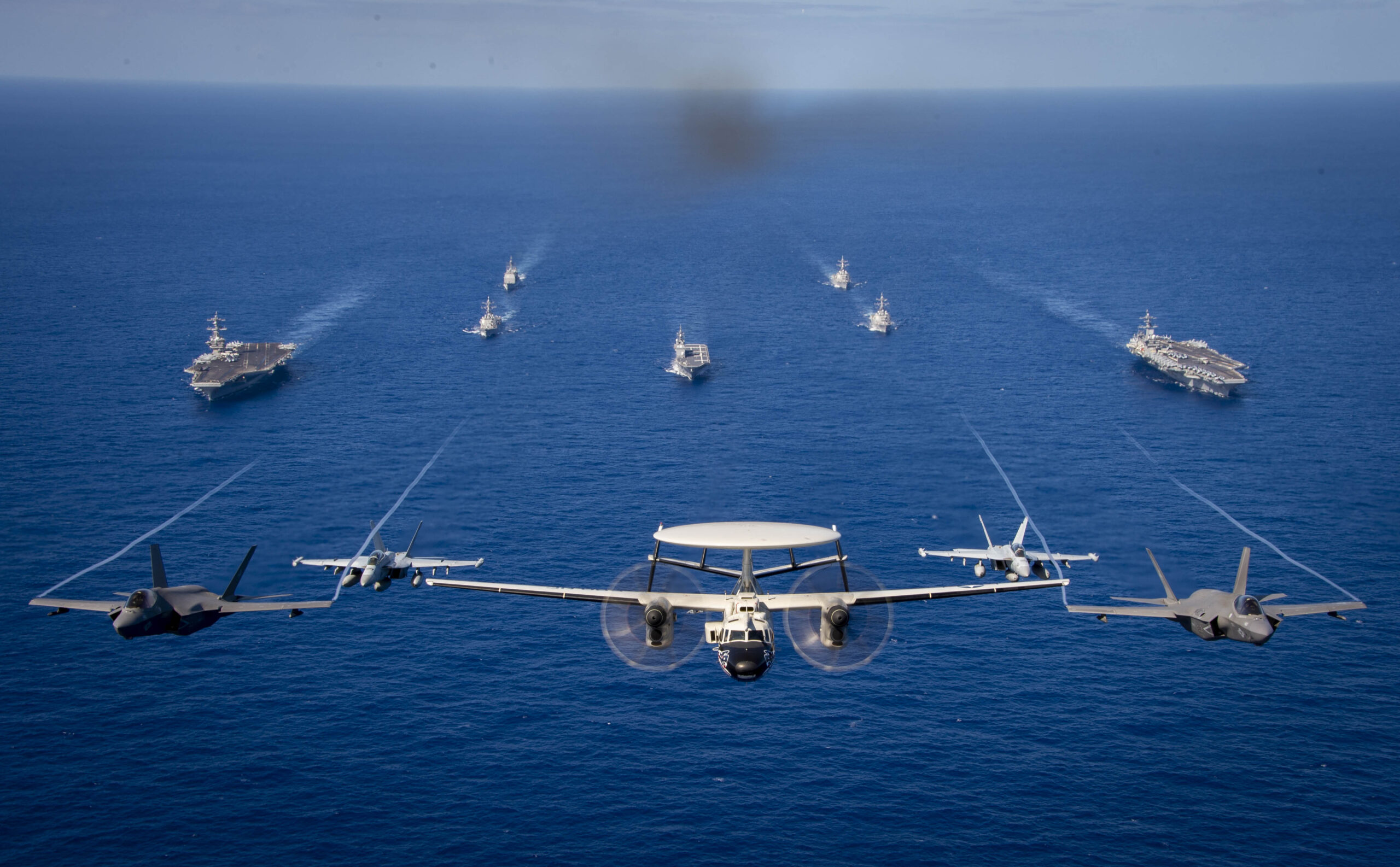
CENTCOM Commander Admiral Brad Cooper explained that American forces have significantly expanded their presence in the area. According to Cooper, the United States currently has more than thirty ships deployed across the region to monitor and respond to potential threats.
The commander confirmed that the drone carrier struck earlier in the day had been heavily damaged and was burning at sea following the attack. Officials described the ship as a large platform designed to launch and coordinate drone missions.
The growing American naval presence reflects rising Persian Gulf military tensions, as both sides continue to position forces in one of the world’s most sensitive maritime corridors.
Official Statement From U.S. Central Command
In its public statement following the operation, U.S. Central Command emphasized the seriousness of the mission and its broader objectives.
CENTCOM wrote on social media that American forces were fully committed to their operational goals in the region and were prepared to take decisive action against Iranian military assets when necessary.
One message accompanying the released footage stated:
“U.S. forces are not holding back on the mission to sink the entire Iranian Navy. Today an Iranian drone carrier roughly the size of a World War Two aircraft carrier was struck and is now on fire.”
The statement quickly spread across international media outlets and became a central talking point in discussions surrounding rising Persian Gulf military tensions.
Military Strategy Beyond the Strike
Admiral Cooper also explained that the strike was only one part of a larger strategy designed to weaken Iran’s military capabilities.
According to the commander, the United States is also targeting Iran’s ballistic missile production infrastructure. The goal is not simply to destroy existing weapons systems but also to prevent the country from rebuilding those capabilities in the future.
Cooper stated during the briefing:
“We now have more than thirty ships in the region. In the last few hours we struck an Iranian drone carrier roughly the size of a World War Two aircraft carrier and it is currently on fire. The president has also directed us to target Iran’s ballistic missile industrial base. We are not only eliminating their current capabilities but also working to prevent them from rebuilding.”
This strategy demonstrates how Persian Gulf military tensions are evolving beyond isolated strikes and moving toward a broader campaign targeting military infrastructure.
Historical Comparison With Earlier Naval Confrontations
Although the current situation may seem unprecedented, naval confrontations between the United States and Iran have occurred before. One of the most notable historical examples took place in 1988 during Operation Praying Mantis.
During that conflict, U.S. naval forces engaged Iranian ships and destroyed several vessels in response to attacks on shipping lanes. The operation remains one of the largest naval battles involving the United States since World War II.
Today’s Persian Gulf military tensions differ in important ways. Modern conflicts now involve drones, cyber warfare capabilities, and precision guided weapons that did not exist during earlier confrontations. While the technology has changed dramatically, the strategic importance of the Persian Gulf remains the same.
Why the Persian Gulf Matters to Global Security
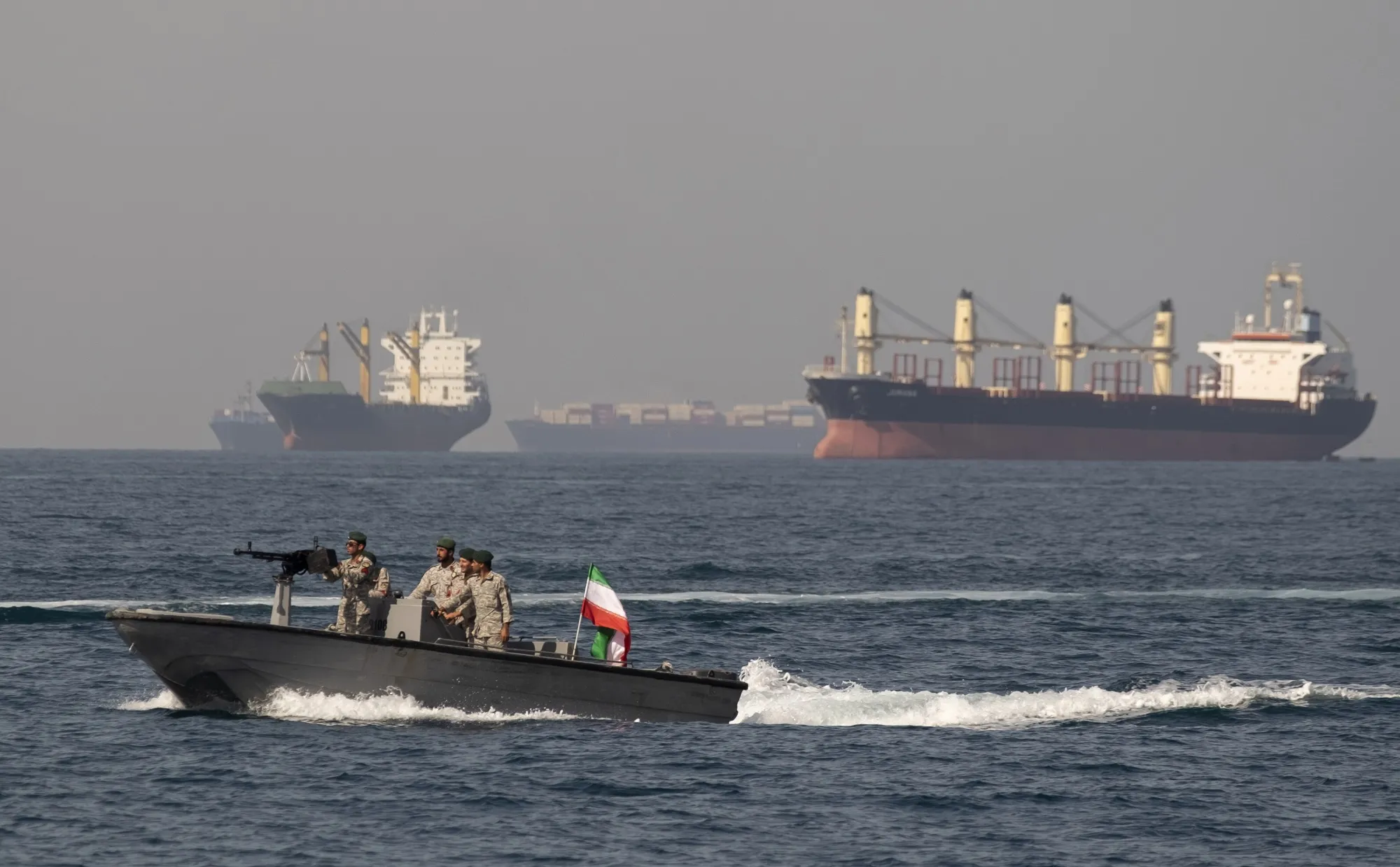
The Persian Gulf is one of the most important maritime regions in the world. The Strait of Hormuz, located near the center of the current Persian Gulf military tensions, serves as a critical passageway for global energy shipments.
Roughly twenty percent of the world’s oil supply passes through this narrow waterway each day. Any disruption to shipping in the area can have immediate consequences for energy prices and international markets.
Because of this, many countries maintain a strong interest in ensuring that the region remains stable and that shipping lanes remain open.
What Could Happen Next
The aftermath of the strike is likely to shape the next phase of the confrontation between Washington and Tehran. Iran could respond through military actions, cyber operations, or diplomatic measures aimed at rallying international support.
Meanwhile the United States and its allies are expected to maintain a strong naval presence in the region to deter further escalation.
For now the world is closely watching developments as Persian Gulf military tensions continue to dominate global security discussions.
The U.S. strike on an Iranian drone carrier marks a significant moment in the ongoing confrontation between the two nations. By targeting a vessel believed to support Iran’s drone operations, American forces aimed to reduce a potential threat to shipping lanes and regional stability.
At the same time the incident highlights the fragile nature of security in the Middle East. With military forces deployed across the region and new technologies shaping modern warfare, Persian Gulf military tensions are likely to remain a central issue in international politics for the foreseeable future.