London, United Kingdom — March 19, 2026 — Parliament Politics Magazine — Qatar gas facility attack has triggered a swift and decisive response from the United Kingdom, as Prime Minister Keir Starmer confirmed new military deployments and reaffirmed support for Gulf allies following Iranian strikes on critical energy infrastructure.
In a high-level telephone call, Starmer emphasized that Britain will “continue to stand with Qatar and all our allies in the Gulf,” signaling growing Western involvement in a rapidly escalating regional conflict.
UK condemns Qatar gas facility attack on Ras Laffan hub
The British government described the Qatar gas facility attack as “reckless” and “brazen,” warning it could push the region closer to a wider war while disrupting global energy markets.
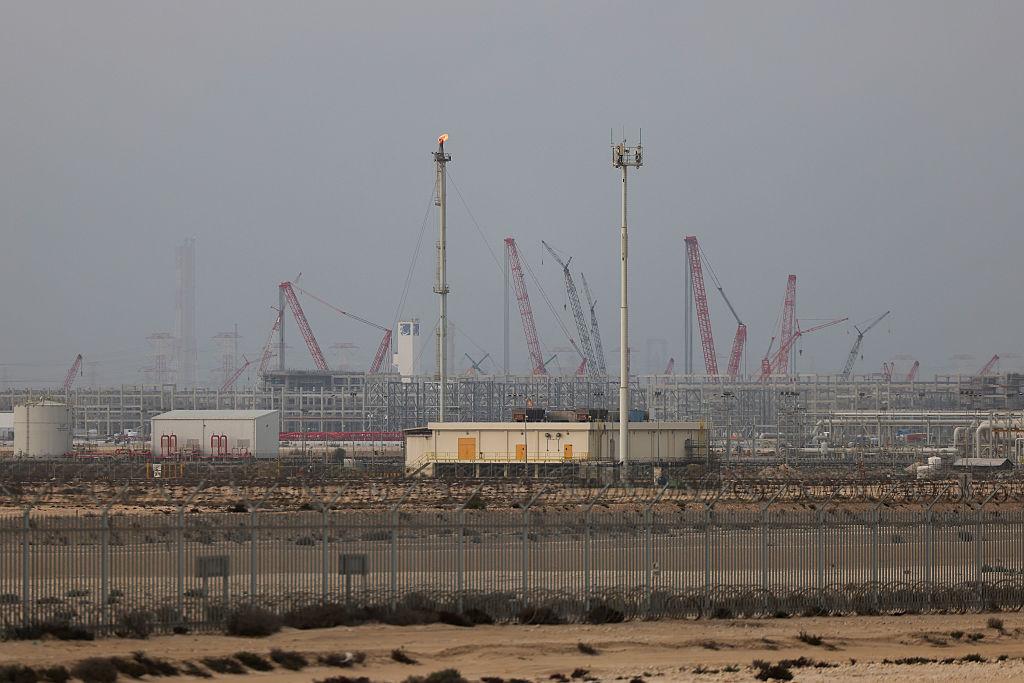
The strike targeted the Ras Laffan industrial complex, one of the most important liquefied natural gas hubs in the world. This facility is central to supplying energy across Europe and Asia.
Starmer warned of the broader consequences:
“These attacks risk triggering a much larger crisis, with serious implications for global stability and economic security.”
Energy analysts say targeting such infrastructure marks a dangerous shift toward economic warfare, where energy supply becomes a primary battlefield.
UK military response after Qatar gas facility attack
Following the Qatar gas facility attack, the UK moved quickly to reinforce its military presence in the region.
Britain has deployed:
-
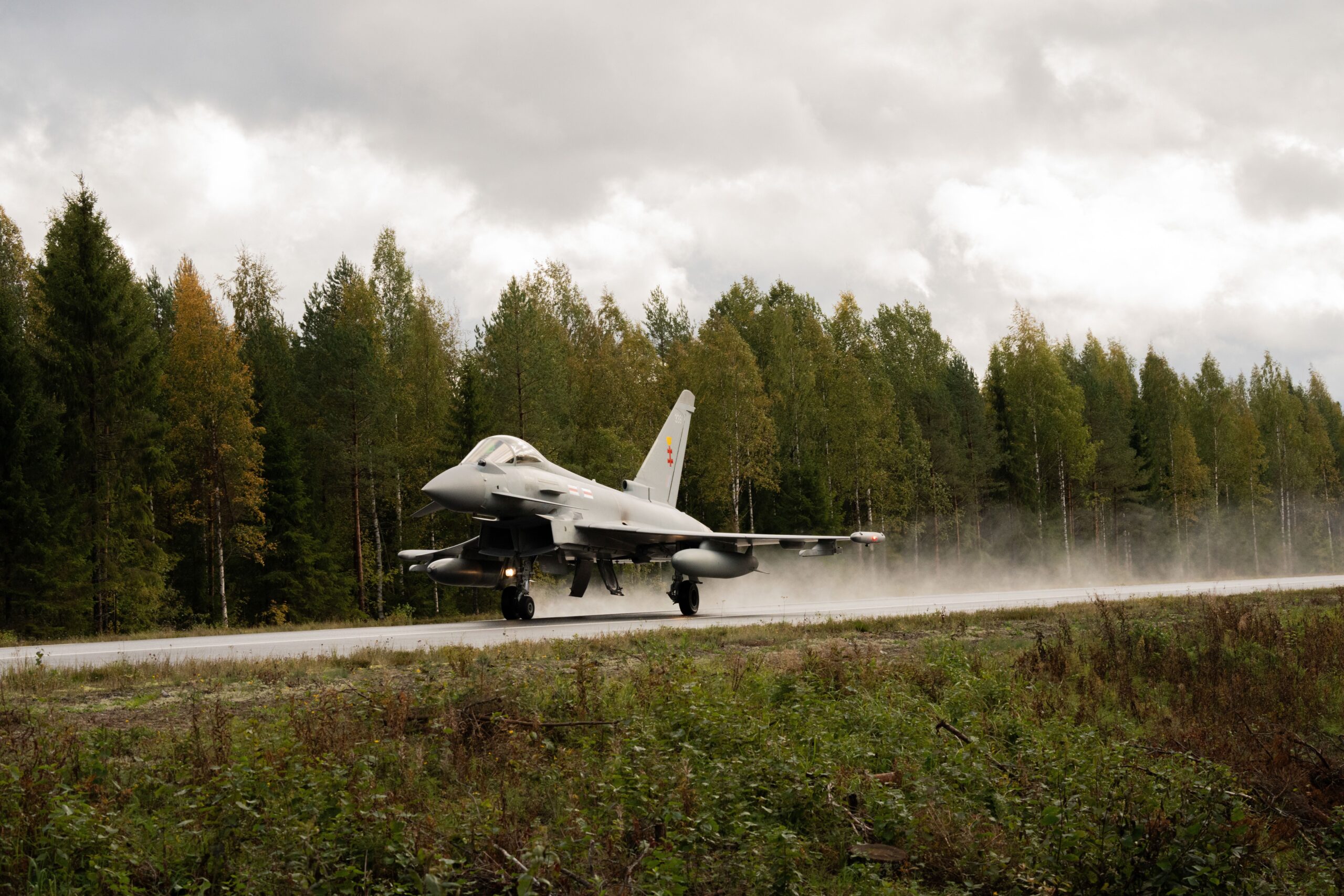
Four additional Typhoon fighter jets to Qatar
-
Wildcat helicopters to Cyprus for surveillance and rapid response
This escalation reflects a shift from diplomatic support to active defense positioning, as Western nations prepare for potential further strikes.
Security experts believe the move serves as both a deterrent and a signal of readiness.
“This deployment shows the UK is prepared to protect critical infrastructure and respond if tensions escalate further.”
Global coordination intensifies after Qatar gas facility attack
The Qatar gas facility attack has prompted urgent diplomatic coordination among Western allies.
Prime Minister Starmer held discussions with NATO Secretary General Mark Rutte and French President Emmanuel Macron, focusing on securing the Strait of Hormuz, a vital maritime route for global oil and gas shipments.
There are increasing calls for a safe maritime corridor to ensure uninterrupted energy flows, as disruptions threaten global supply chains.
This coordination highlights the seriousness of the crisis and the risk of broader geopolitical escalation.
Energy markets react sharply to Qatar gas facility attack
The Qatar gas facility attack has already sent shockwaves through global energy markets.
Key impacts include:
- Rising oil and gas prices
- Increased volatility in energy trading
- Concerns over supply shortages
Europe remains particularly vulnerable due to its reliance on LNG imports, including significant volumes from Qatar.
Starmer linked the crisis directly to economic pressures:
“Stability in the region is essential to reducing energy costs and protecting households from rising living expenses.”
The situation highlights how regional instability can quickly impact global economies.
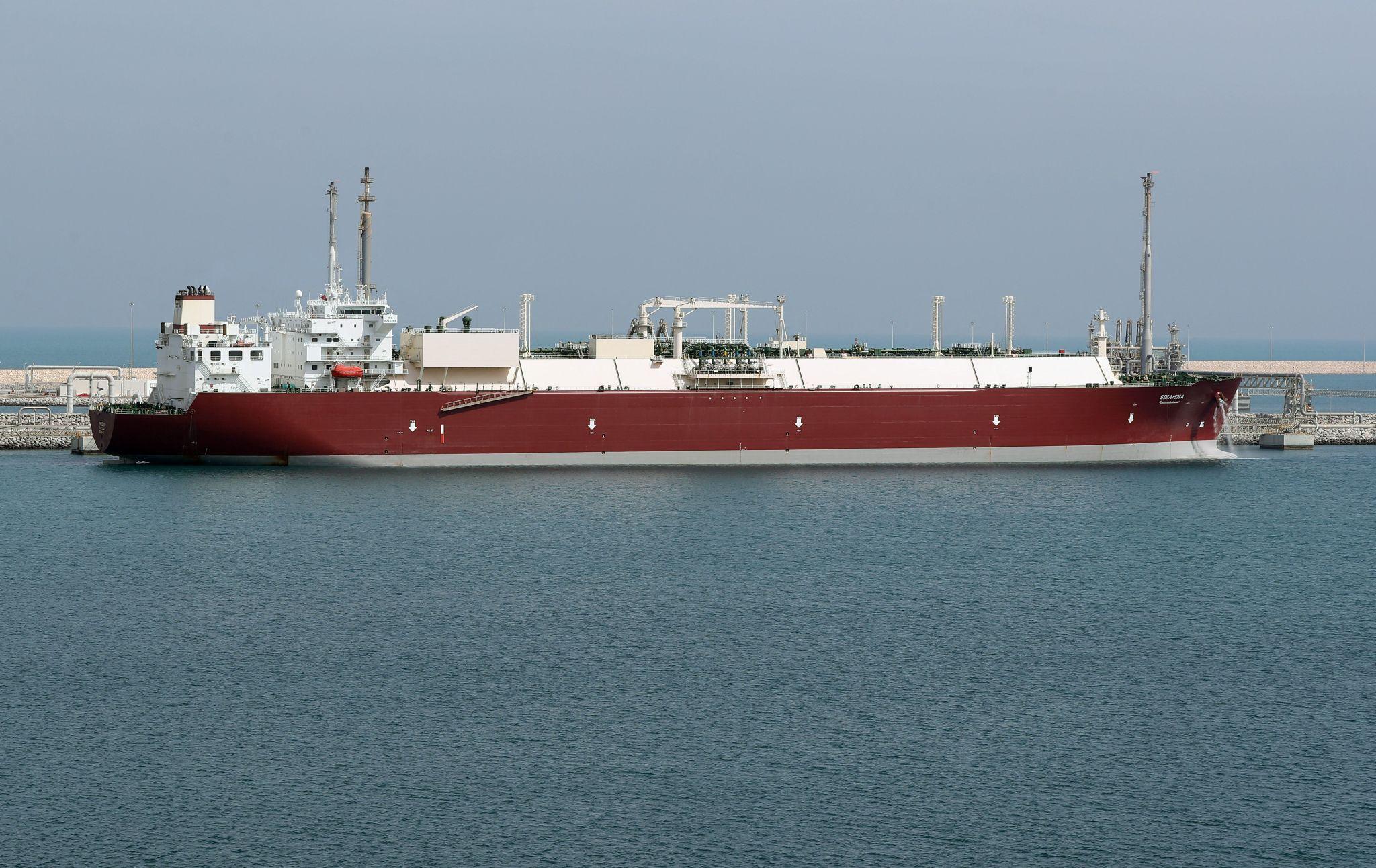
Strategic importance of Qatar’s LNG infrastructure
Qatar is one of the world’s leading exporters of liquefied natural gas, making it central to global energy stability.
The Ras Laffan facility supports:
- Energy supply across Europe and Asia
- Global LNG market balance
- Industrial and residential energy demand worldwide
The Qatar gas facility attack therefore represents a direct threat to global energy security, not just a regional concern.
Middle East conflict enters a more dangerous phase
The Qatar gas facility attack is part of a broader escalation across the Middle East, with increasing attacks on infrastructure and strategic assets.
Recent tensions have impacted:
- Saudi Arabia
- United Arab Emirates
- Key shipping routes
These developments suggest a coordinated effort targeting economic and energy systems, raising the risk of a wider regional conflict.
Historical context: Energy infrastructure under attack
Historically, attacks on energy infrastructure have triggered major global consequences, from price spikes to economic instability.
The Qatar gas facility attack reflects a modern evolution of such tactics, where disrupting energy supply becomes a central strategy in geopolitical conflict.
Experts warn that this trend could reshape how future conflicts unfold.
What comes next after Qatar gas facility attack?
Several critical questions remain:
- Will additional energy facilities be targeted?
- Can diplomacy prevent further escalation?
- Will global powers secure key shipping routes?
The UK’s response suggests preparation for multiple scenarios, including prolonged instability in the region.
What the Qatar Gas Facility Attack Means Now
The Qatar gas facility attack has triggered a strong international response, with the UK deploying fighter jets and reinforcing its military presence in the Gulf. As tensions rise and energy markets react, the world faces growing uncertainty over supply disruptions and economic impact. The coming days will be critical in determining whether the crisis escalates further or moves toward stabilization.