
UK (Parliament Politics Magazine) – Chancellor Rachel Reeves said she and PM Sir Keir Starmer jointly chose to avoid an income tax rise, criticising damaging leaks that disrupted the Budget.
As reported by The Independent, Chancellor Rachel Reeves said she and British Prime Minister Sir Keir Starmer agreed “as a team” not to raise income tax, while condemning the wave of pre-Budget leaks.
Addressing MPs, the Chancellor said her “very close partnership” with the Prime Minister resulted in a joint decision to extend the freeze on tax thresholds.
A senior Treasury official confirmed that a leak probe into pre-Budget economic policy reports will include ministers, civil servants, and advisers.
What did Rachel Reeves say about scrapping an income tax rise and the pre-Budget leak?
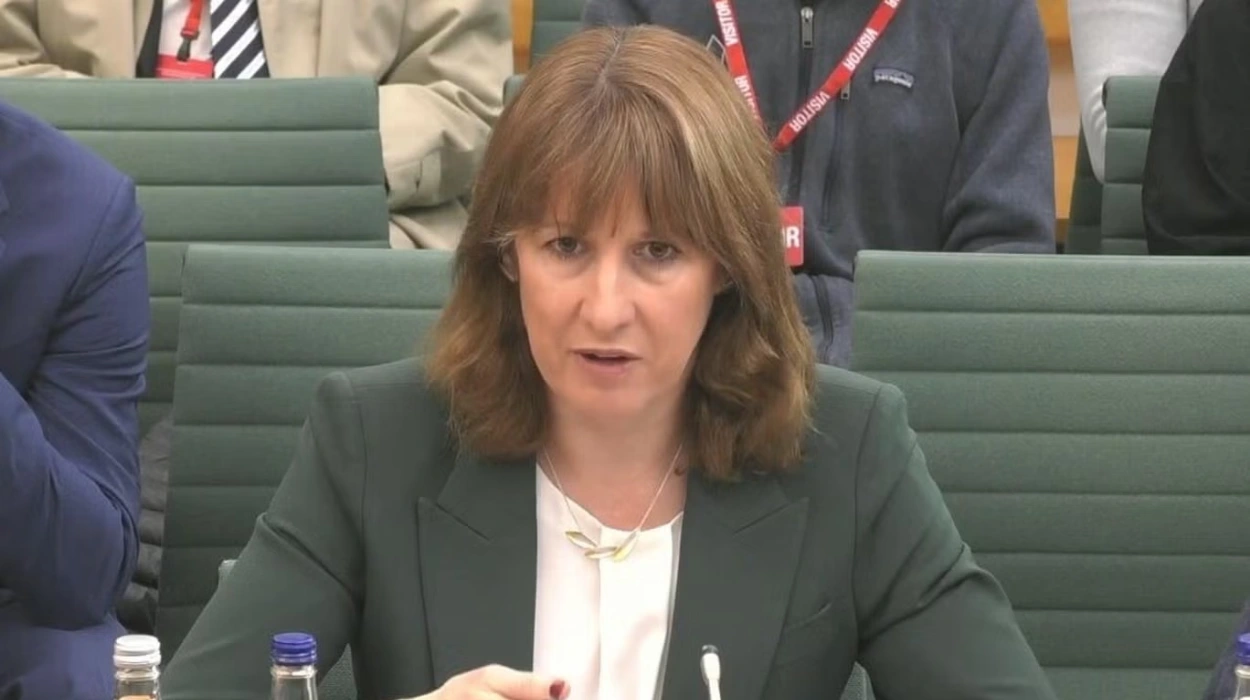
The Chancellor told Parliament’s Treasury Select Committee that the Financial Times story revealing she had dropped plans for an income tax rise was “incredibly damaging.”
She said,
“It was not an off-the-record briefing, it was a leak. I’m absolutely categorical that that was not an authorised briefing.”
Ms Reeves described the report as “frustrating,” saying it created the false impression she had stepped back from restoring the fiscal “headroom” needed to maintain balanced day-to-day spending.
Ahead of the Budget, the Chancellor hinted at a possible income tax rise, using a speech to prepare the ground for the autumn statement and warn of tough decisions.
Ms Reeves suggested that upholding Labour’s pre-election promises, including the pledge not to raise income tax, would require “deep cuts” to public investment.
The Financial Times later disclosed that plans to increase income tax for the first time in 50 years had been abandoned.
Speaking on Wednesday, Ms Reeves stated,
“The Budget had too much speculation. There were too many leaks, and much of that, those leaks and speculation, were inaccurate, very damaging, as well as the IT security issues… The OBR’s report also noted that the spring statement had been accessed early as well.”
She said,
“I want to say on the record how frustrated I am and have been by these incidents and the volume of speculation and leaks, and that is why I am doing something about it, because we cannot allow this to happen again.”
Commenting on the Budget leak inquiry, the Chancellor added,
“A leak inquiry is under way with my full support, being led by the permanent secretary at the Treasury, and we are also conducting a review of the Treasury security processes to inform future fiscal events.”
Speaking alongside Ms Reeves, Treasury permanent secretary James Bowler confirmed the leak inquiry would cover ministers, officials, and advisers.
When questioned if the Prime Minister decided against raising income tax, Ms Reeves said she met the Prime Minister
“two or three times a week during the Budget process.”
She continued,
“That is not always the case between chancellors and prime ministers. I recognise that. But there is a very close partnership between myself and the Prime Minister. And so we took him through all of the numbers and all of the options and we decided it together as a team, because that is what the Prime Minister and I am.”
The Chancellor faces accusations of misleading the public about finances after the Office for Budget Responsibility said taxes were not needed to fill a “black hole.”
Speaking to the Treasury Committee, Ms Reeves said extensive information had been shared between the OBR and the Treasury in the weeks before the autumn statement.
“Pre-measures is not the final word from the Office for Budget Responsibility, because then you have post-measures forecasts,”
she told MPs.
The Chancellor added,
“They take into account the policy decisions that we take as a Government on tax and spend… so there was plenty of additional information being shared between the OBR and the Treasury between October 30 and major measures one and indeed major measures two.”
Ms Reeves refused to rule out further tax increases on assets, including dividends and property.
She told MPs that in the Budget she increased basic rates on dividend, savings, and property income, while also adjusting additional and higher rates, when asked about narrowing the gap between asset and work income.
“I think that is the right thing to do. A two percentage point increase is quite a big increase in the tax rate on any form of income, but I think we got the balance right in the Budget on that,”
Ms Reeves added.
The Chancellor refrained from answering whether she backed plans to rejoin the EU customs union, after 13 Labour MPs broke ranks and voted in favour.
When asked if she would support rejoining the customs union after a think tank estimated Brexit costs at £90 billion, she joked that the OBR said a four per cent impact, calling it “still very material.”
Ms Reeves added,
“It’s why we’ve got this reset with the EU we are at the moment negotiating around a new food and farming agreement, energy trading, Erasmus, and a new youth mobility acheme, because we recognise that making it hard to trade with your nearest neighbors and trading partners is not exactly good for businesses.”
How did Sir Mel Stride criticise Rachel Reeves over taxes and public finances?
Before the Conservative-led debate, Sir Mel Stride accused Rachel Reeves of putting
“party before country.”
He added,
“Rachel Reeves has repeatedly misled the British public. She promised she wouldn’t raise taxes on working people – and then she did. She insisted there was a black hole in the public finances – and there wasn’t.”
What are the key aspects of the UK 2025 Budget?
- Income tax and national insurance thresholds will be frozen for three more years, bringing more people into higher tax bands.
- Basic and higher rates of tax on property, dividends, and savings income will rise by two percentage points.
- A high-value council tax surcharge will apply from April 2028 for properties worth over £2 million.
- A £2,000 cap will be introduced on pension contributions eligible for salary sacrifice tax relief from April 2029.
- The two-child limit for universal credit and tax credits will be abolished, benefiting around 450,000 children.
- The national minimum wage for 18- to 20-year-olds will increase to £10.85, and the national living wage will rise to £12.71.
