

Bab al-Mandeb Strait, Red Sea, March 28, 2026 (Parliament Politics Magazine) Red Sea trade disruption is rapidly emerging as a major global concern as analysts warn that potential Houthi actions near the Bab al-Mandeb Strait could significantly impact one of the world’s most critical maritime corridors. The narrow passage, connecting the Red Sea to the Gulf of Aden, plays a vital role in global commerce.
The growing Red Sea trade disruption risk has triggered heightened monitoring by international security agencies and shipping operators, with concerns that any escalation could quickly spread beyond the region.
Why the Red Sea Route Is So Critical
The threat of Red Sea trade disruption is particularly alarming due to the strategic importance of the Bab al-Mandeb Strait. A significant portion of global trade flows through this corridor daily.
Key importance includes:
- Essential route linking Europe, Asia, and the Middle East
- Critical pathway for oil and gas shipments
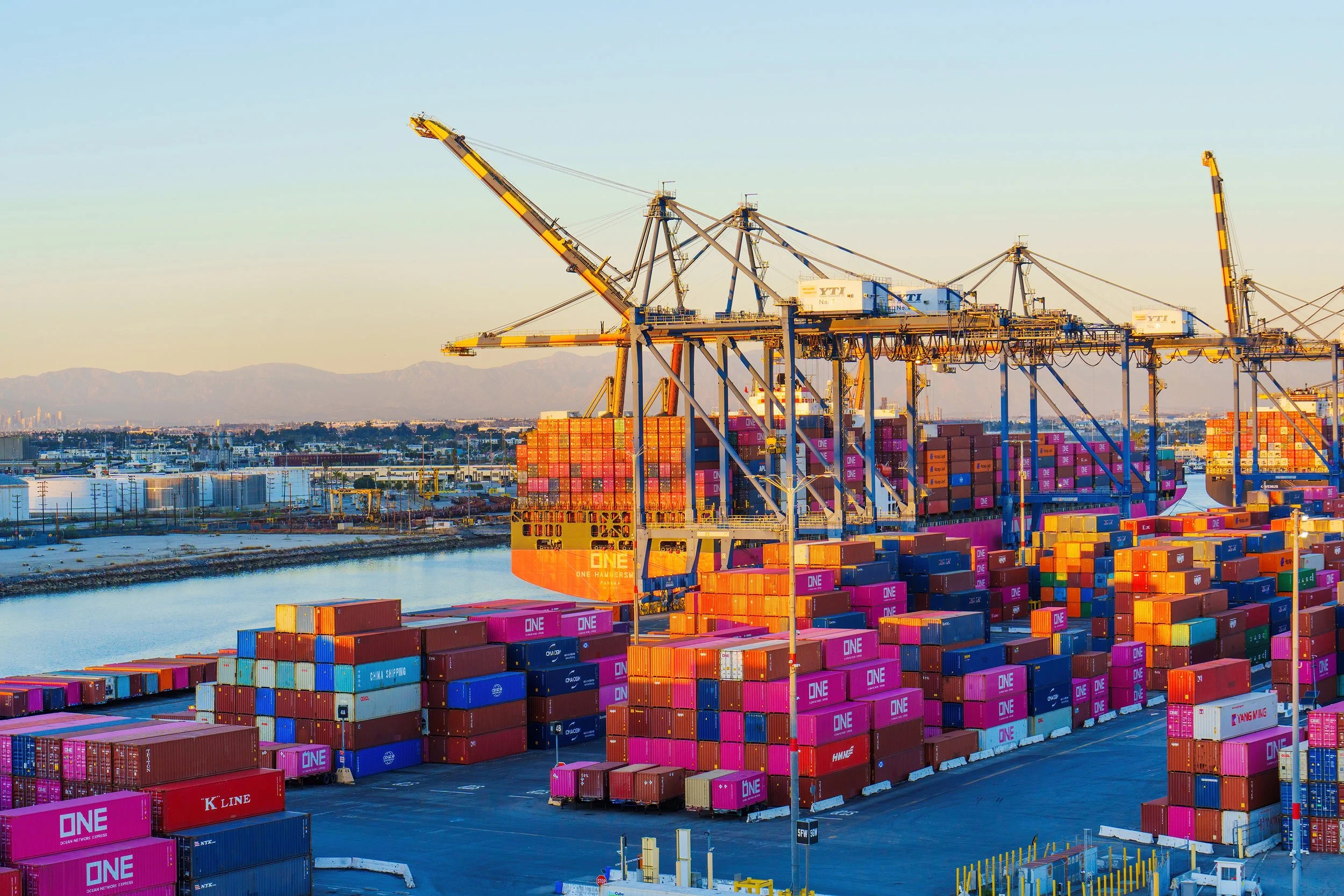
- Major channel for containerized goods
- Supports billions in daily global trade
Any disruption tied to Red Sea trade disruption could have immediate global consequences.
A ‘Nightmare Scenario’ for Global Markets
Experts are increasingly warning that the Red Sea trade disruption scenario could trigger widespread instability. The term “nightmare scenario” is being used to describe the cascading effects on global systems.
A maritime security expert stated:
“If this corridor becomes unstable, the impact will be felt across global markets, from energy prices to consumer goods.”
Such warnings highlight the urgency of the situation and the interconnected nature of global trade.
Military and Strategic Implications
The potential for Red Sea trade disruption also carries significant military implications. Control or disruption of the Bab al-Mandeb Strait could alter regional power dynamics.
Key implications include:
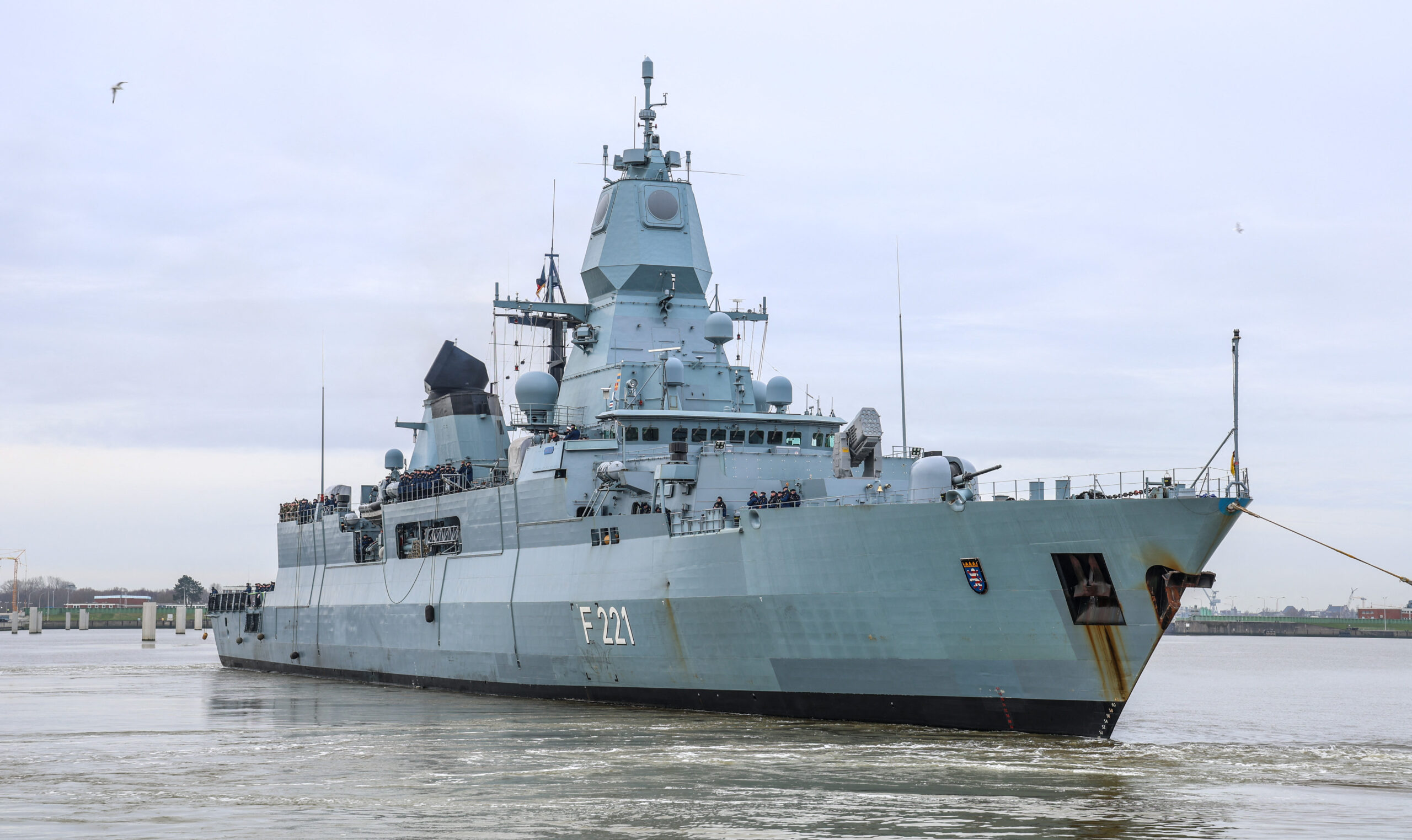
- Increased naval deployments by global powers
- Heightened risk of maritime confrontations
- Strategic competition over shipping routes
- Expansion of security operations in surrounding waters
These developments reflect the growing importance of maritime security in geopolitical strategy.
Economic Impact on Global Trade
The risk of Red Sea trade disruption extends deeply into global economic systems. Even minor interruptions can create ripple effects across industries.
Potential economic impacts include:
- Rising oil and fuel prices
- Delays in global supply chains
- Increased shipping and insurance costs
- Diversion of vessels to longer, more expensive routes
Businesses worldwide are already preparing for possible disruptions.
Regional Tensions Fueling the Crisis
The Red Sea trade disruption threat is closely linked to broader Middle East tensions, including ongoing conflicts and strategic rivalries.
Key factors include:
- Rising tensions involving Iran and regional actors
- Increased activity by Houthi forces
- Strategic positioning near key maritime chokepoints
- Ongoing instability in surrounding regions
These dynamics contribute to the fragile security environment.
Global Response and Preventive Measures
Governments and international organizations are responding to the growing Red Sea trade disruption risk with a range of measures aimed at maintaining stability.
Key responses include:
- Strengthened naval patrols in the Red Sea
- Enhanced surveillance of shipping routes
- Coordination among international maritime agencies
- Diplomatic efforts to reduce tensions
These steps are designed to prevent escalation and ensure safe passage for global trade.

What Happens If Disruption Occurs
If the Red Sea trade disruption scenario becomes reality, the consequences could be immediate and far-reaching.
Potential outcomes include:
- Major delays in global shipping networks
- Increased transportation costs worldwide
- Pressure on alternative trade routes
- Broader economic instability
Such a development would impact industries ranging from energy to retail.
Future Outlook and Strategic Risks
The Red Sea trade disruption situation remains fluid, with analysts closely monitoring developments and potential escalation scenarios.
Key questions include:
- Will tensions escalate or stabilize?
- Can diplomatic efforts prevent disruption?
- How will global trade adapt to potential changes?
- What long-term strategies will emerge?
The answers will shape the future of global trade and security.
Key Developments
The Red Sea trade disruption threat represents a critical moment for global stability.
- Strategic shipping route faces potential disruption
- Experts warn of a “nightmare scenario”
- Economic and security risks are rising
- Global response efforts are underway
- Situation remains highly volatile
