

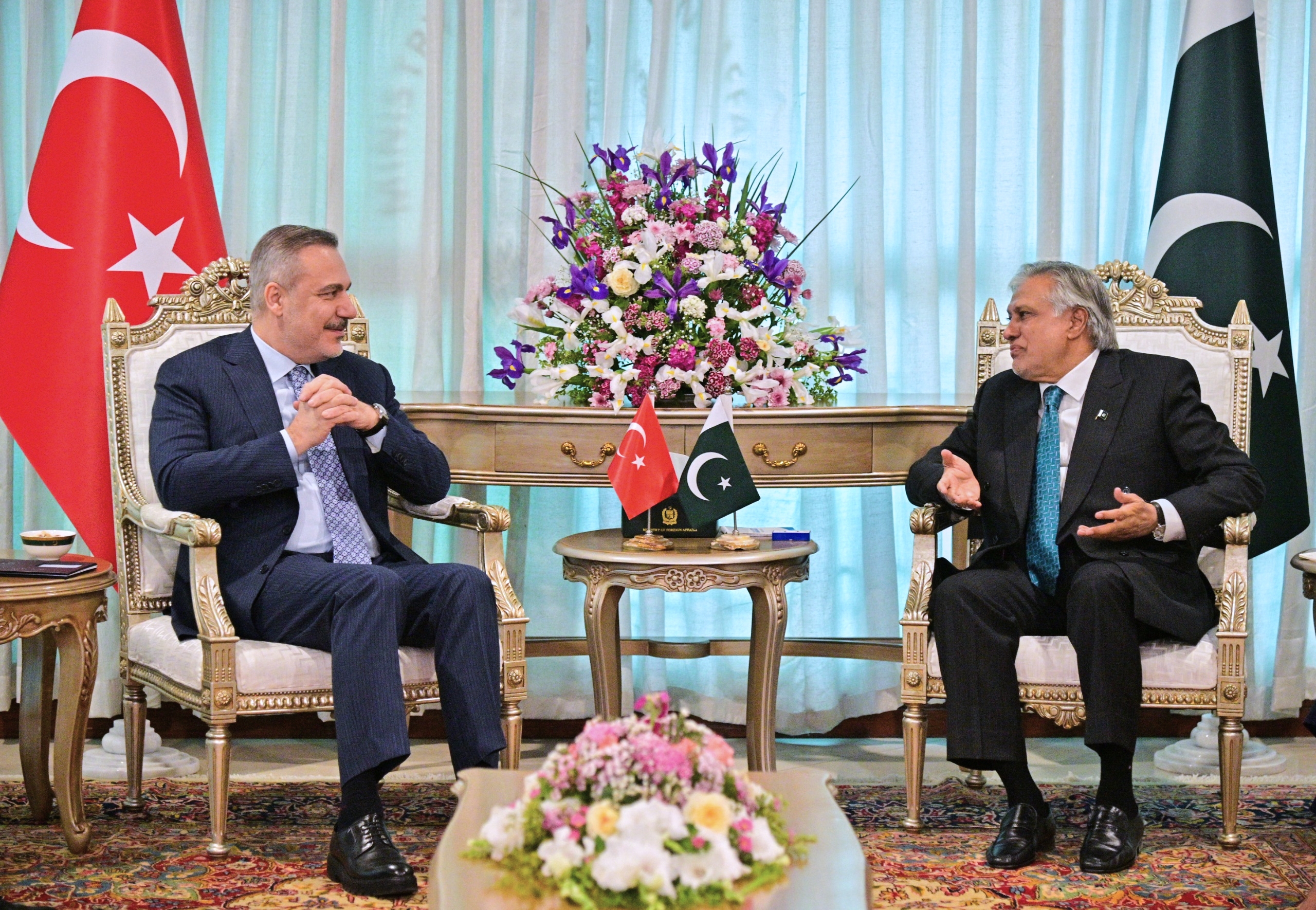
Islamabad / Tehran, April 05, 2026 (Parliament Politics Magazine) regional conflict analysis has gained renewed attention after Iranian Foreign Minister Abbas Araghchi told Pakistan’s leadership that the United States and Israel are responsible for escalating instability across the region. The remarks came during high-level diplomatic discussions, reflecting deepening tensions and competing narratives about the causes of ongoing conflict.
Officials familiar with the exchange say the discussions underscore growing concern about the direction of regional security and the potential for further escalation.
Key Statements Driving Regional Conflict Analysis
The latest regional conflict analysis centers on Iran’s assertion that external actions have contributed significantly to instability. According to diplomatic sources, Araghchi emphasized that military strategies and political decisions by outside powers have intensified tensions rather than resolved them.
A statement attributed to the Iranian delegation noted:
“Regional stability cannot be achieved through continued external intervention. The consequences are evident across multiple fronts.”
These remarks have become a focal point in discussions about responsibility and accountability.
Pakistan’s Role in Regional Conflict Analysis
The evolving regional conflict analysis also highlights Pakistan’s diplomatic position. Islamabad has maintained a cautious approach, emphasizing dialogue and stability while avoiding direct alignment with escalating rhetoric.
Analysts suggest Pakistan is likely to:
- Promote diplomatic engagement between parties
- Encourage de-escalation efforts
- Maintain balanced relations with global powers
This approach reflects Pakistan’s broader strategy of managing complex geopolitical relationships.
Rising Tensions Across the Region
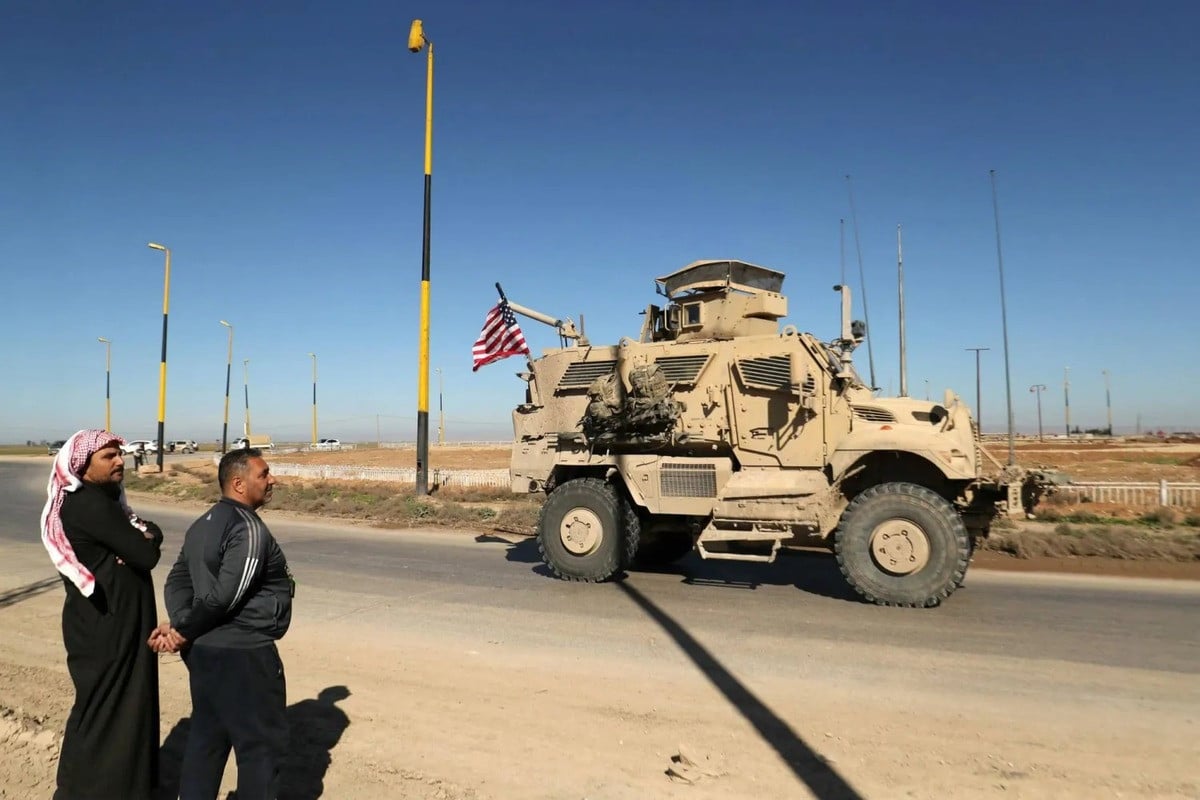
The current regional conflict analysis is shaped by increasing tensions across multiple areas. Military developments, political disagreements, and strategic rivalries continue to create uncertainty.
Key contributing factors include:
- Intensified military operations
- Growing involvement of global powers
- Expansion of proxy conflicts
Experts warn that these dynamics could lead to further instability if not addressed through diplomatic means.
Global Reaction and Strategic Concerns
International observers have closely followed the developments highlighted in the regional conflict analysis. The attribution of blame has raised concerns about its potential impact on diplomatic efforts.
Global leaders have emphasized:
- The importance of restraint
- The need for constructive dialogue
- The risks associated with escalating rhetoric
These concerns reflect the fragile nature of the current geopolitical environment.
Economic and Security Implications
The regional conflict analysis extends beyond political discourse, influencing economic and security considerations worldwide.
Economic Impact
- Volatility in energy markets
- Disruptions to trade and supply chains
- Increased uncertainty for global investors
Security Impact
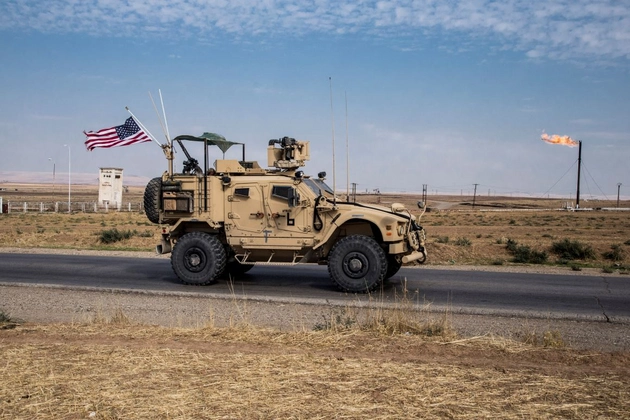
- Heightened military readiness
- Increased risk of escalation
- Greater involvement of international alliances
These implications highlight the interconnected nature of regional developments.
Expert Insight on Regional Conflict Analysis
Experts believe the current regional conflict analysis reflects deeper structural challenges in the region. While diplomatic engagement remains essential, differing perspectives on responsibility complicate progress.
One analyst stated:
“Regional conflict analysis shows that assigning blame may resonate politically, but it does not address the root causes of instability.”
Such perspectives emphasize the need for comprehensive solutions.
Possible Outcomes and Next Steps
The evolving regional conflict analysis suggests several potential scenarios:
- Continued Dialogue – Efforts to reduce tensions through diplomacy
- Escalation of Tensions – Increased conflict driven by competing narratives
- Regional Cooperation – Collaborative approaches to stability
The outcome will depend on how regional and global actors respond in the coming weeks.
Regional Conflict Analysis: What Happens Next
Key Takeaways
The regional conflict analysis underscores growing tensions as Iran attributes instability to the United States and Israel during talks with Pakistan.
With geopolitical pressures rising, the risk of escalation remains significant. Diplomatic engagement will be crucial in determining the path forward.
As the situation evolves, regional conflict analysis will remain central to understanding the broader implications.
